Netanyahu loses majority in the Knesset and coalition negotiations become the center of the dispute in Israel
Netanyahu's bloc won 53 of the 120 seats, below the 61 needed to form a government, according to Money Times.
BY THE X-TRADER NEWS NEWSROOM · REPORTING FROM MONEY TIMES · 2 MIN
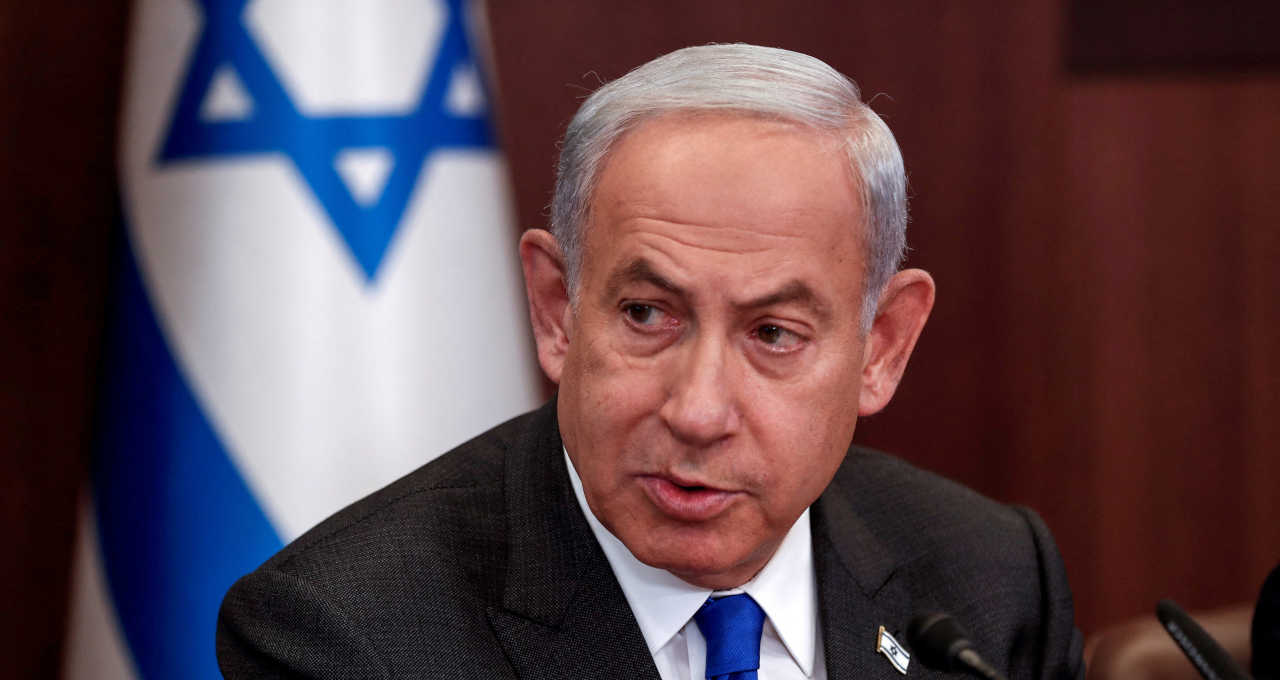
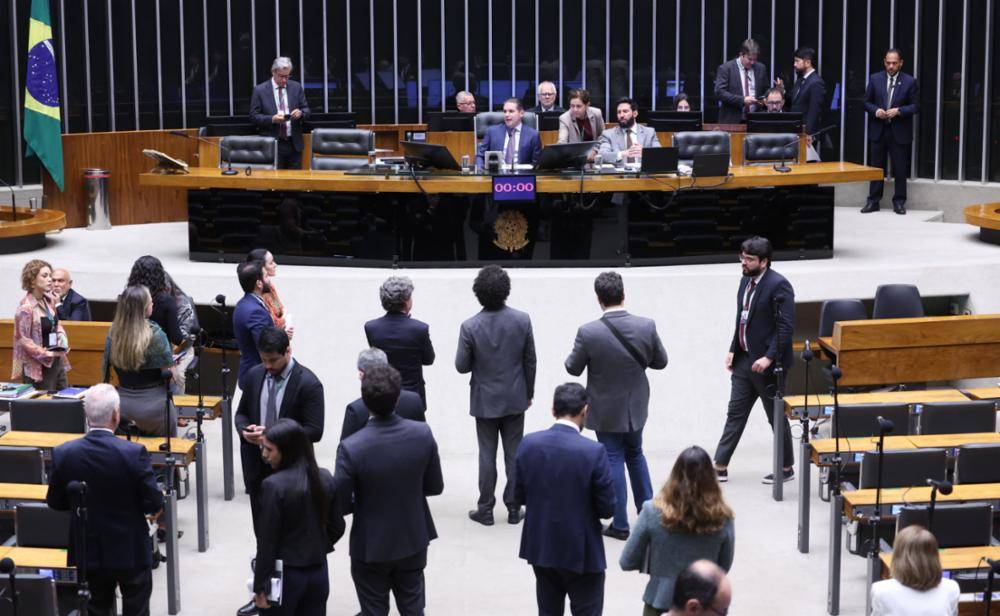
Benjamin Netanyahu's bloc lost its majority in the Knesset, Israel's Parliament, and the dispute now focuses on the formation of a coalition. According to Money Times, the final results of the election held on Tuesday (27) were released in the early hours of Friday (30) and confirm the loss of the majority of Netanyahu's group.
The numbers show a Parliament divided into three main forces. Netanyahu's camp won 53 seats, while the main opposition bloc had 48. The Arab-led parties, which had a historic performance, won 19 seats.
The account is straightforward. To form a government, you need to reach 61 of the 120 seats in the Knesset. None of the blocks reaches this milestone alone, which forces each side to form alliances with very different profiles.
According to Money Times, the negotiation should be complex, as a possible coalition could bring together parties ranging from ultra-Orthodox to secular, as well as Arab parties. There are distant agendas, and each agreement tends to require concessions from all sides.
For those who follow public accounts, this period matters. Governments created after long bargains tend to have more difficulty sustaining fiscal discipline and clearly defining budget priorities. The more allies a government needs to please, the smaller its margin to cut spending or approve market reforms tends to be.
What changes for the investor
What is confirmed, for now, is the arithmetic of Parliament, and not the design of the next government. For those who invest and operate, this means a period in which the formation of the coalition focuses attention and can bring more volatility to risky assets, depending on the direction of negotiations. The market tends to react to concrete signals about who will govern and with what economic agenda, and there is no basis, at this moment, to predict price behavior. It is worth monitoring the composition of the government, budgetary definitions and fiscal policy before making any allocation decision.
Automatically translated from Portuguese.