Producer leaves Campo Grande and transforms his father’s plot into a rural family business in MS
Victor da Silva Machado exchanged urban services for the Rancho Chão Parado farm, in Jaraguari (MS), according to Gazeta do Povo.
BY THE X-TRADER NEWS NEWSROOM · REPORTING FROM GAZETA DO POVO · 2 MIN
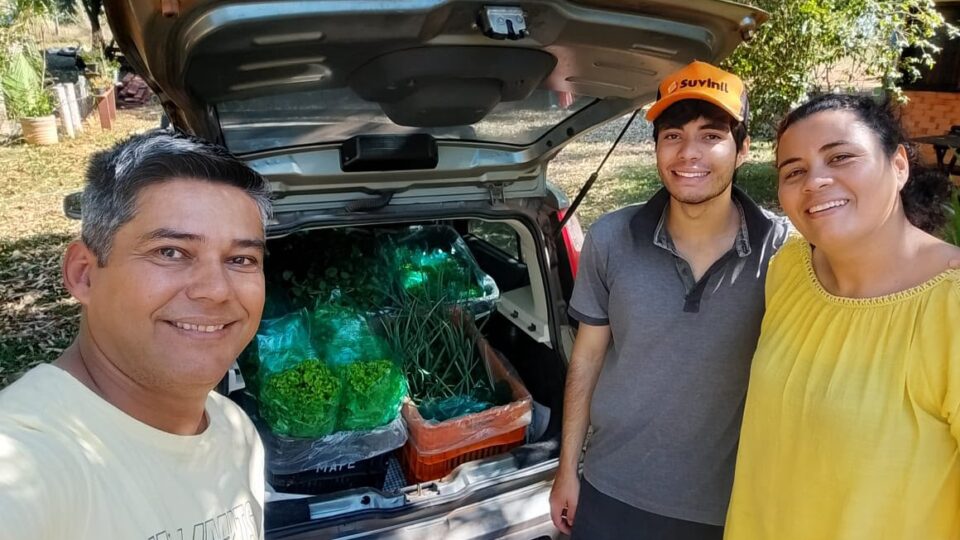
At the age of 31, Victor da Silva Machado left Campo Grande (MS) and went to live in the countryside. According to Gazeta do Povo, the change, made in 2009, began a trajectory that today revolves around the Rancho Chão Parado farm, in Jaraguari (MS), where Victor is 48 years old.
Before moving, Victor worked in the city doing small renovations, painting and electrical services. The land has another origin: a plot in Assentamento Estrela, close to BR-262, received by his father, a rural worker. The father lived on the lot for about a year and died of cancer. Victor took over the farm to continue his father's project. The name Chão Parado, according to the report, came from a joke between the two.
The first years were difficult. The first house was wooden, with two rooms, and the family spent a year without electricity. Without a well, the animals drank water from a spring in the settlement, while the family bought mineral water. The savings ran out within a year.
The first source of income was the vegetable garden, with tomatoes, zucchini, green chillies and lettuce. Over time, the 10 hectares began to bring together vegetables, animal husbandry and fruits from the cerrado. According to Victor's estimate, the family planted more than 3 thousand trees in the area.
The current house is much bigger. The work began five years after the move and lasted ten years. Over the course of 17 years on the property, Victor remains alongside his wife, Ana Paula, and his children, including João.
The case shows that the transition from urban work to rural production depends on water, energy and capital, and that a financial reserve can quickly run out when these items are missing. The family's journey, from the garden to the largest house, took almost two decades.
What changes for the investor
The report does not provide market data, prices or production volumes, so it does not signal direct movement in shares or prices. The relevant point is structural: those who start from scratch in the field face infrastructure and cash costs that tend to weigh more than the sale of production at the beginning. Any change in the cost of rural credit tends to affect this group more, which can have repercussions on input chains, irrigation and food distribution. Those who follow the sector can observe these factors, but the report does not allow projecting company results or prices of agricultural products.
Automatically translated from Portuguese.