Lagarde announces departure from ECB presidency from February 7, 2027
The announcement made in a statement on Thursday (10/29) brings forward the end of the mandate, scheduled for October 2027, by approximately eight months.
BY THE X-TRADER NEWS NEWSROOM · REPORTING FROM MONEY TIMES · 2 MIN
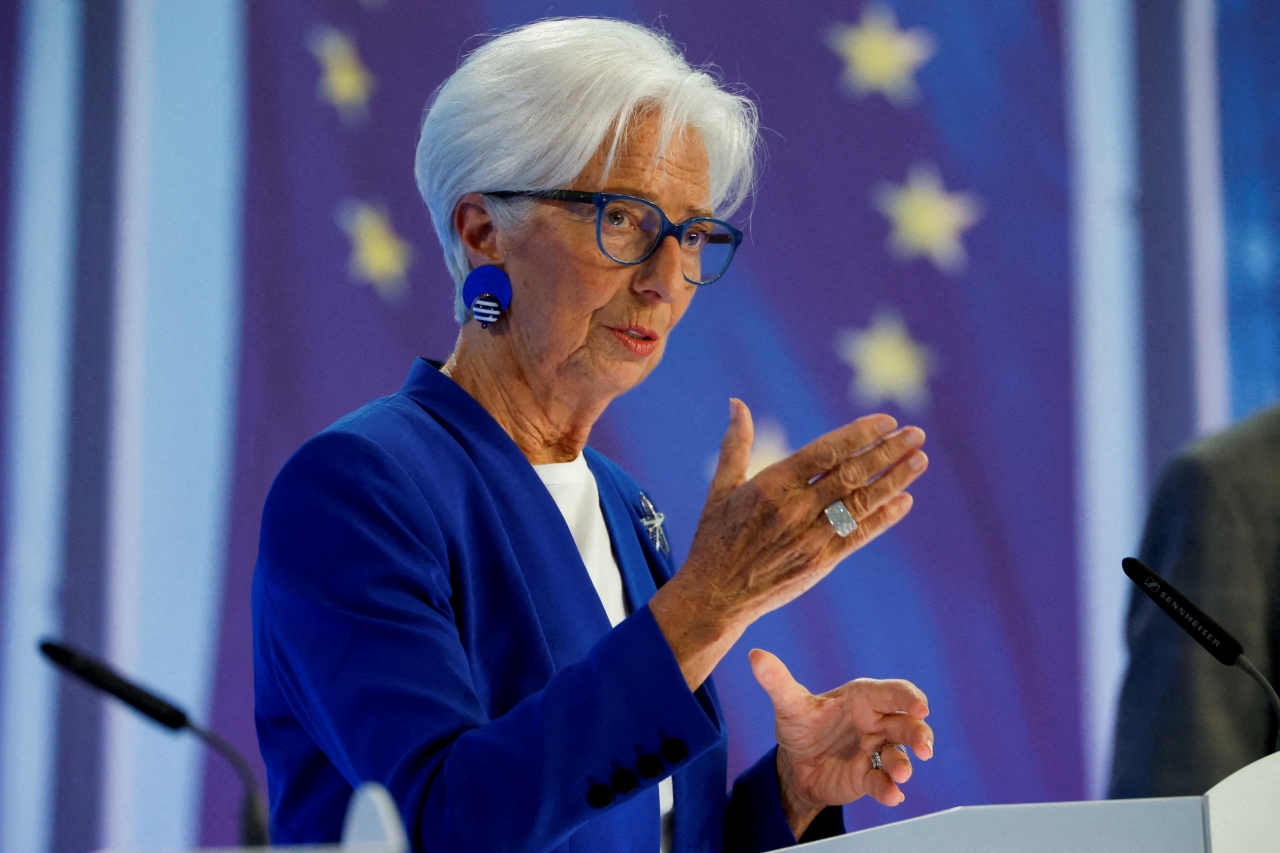
Christine Lagarde, president of the European Central Bank (ECB), will leave her position on February 7, 2027. The announcement was made in a statement from the ECB on Thursday (29/10), according to Money Times and InfoMoney/Reuters, and brings forward the end of her term, which would run until the end of October 2027, by around eight months.
Lagarde has led the institution since July 2019, according to Times Brasil. The early exit had already been the subject of speculation for months, according to Money Times, which cites the World Economic Forum as a likely destination after the ECB. Times Brasil reports that the reasons for the anticipation were not detailed.
Lagarde informed the Governing Council and António Costa, president of the European Council, about the decision, according to Money Times. Times Brasil reports that the Board of Governors received the news with a standing ovation.
The news came on the same day that the ECB made its interest rate decision and Lagarde held a press conference, recalls Money Times. The calendar therefore brought together two themes on the same day: euro zone monetary policy and the future of the bank's leadership.
What is at stake is the transition of command in a shorter period of time than expected. In the information collected, there is no indication of who will occupy the position. This means that the choice of a new president will have to be conducted within a few months, and not at the end of 2027.
What changes for the investor
In the short term, the announcement mainly changes the calendar: Lagarde will remain in office until February 7, 2027. For those who follow interest rates, exchange rates and European stock markets, the point of attention is the choice of successor, since the market's perception of the bank's independence and predictability tends to influence the risk premium and the behavior of the euro. A clear succession process tends to reduce uncertainty, while a prolonged dispute can increase volatility. This analysis does not constitute a recommendation to buy or sell assets.
Automatically translated from Portuguese.