Oil is expected to remain expensive for some time, even with the outcome of the conflict in the Gulf
According to MarketWatch, the conflict has lasted eight months and is disrupting shipping, and oil is projected to be expensive for longer.
BY THE X-TRADER NEWS NEWSROOM · REPORTING FROM MARKETWATCH · 2 MIN
Eight months after the start of the conflict in the Middle East, oil remains far from a cheap level, and the projection presented by MarketWatch is that it will not return to that level anytime soon. According to the report, the assessment is valid regardless of what happens in the Gulf, which removes the expectation of rapid relief in prices from the outcome of the crisis.
The headline presents the thesis in one sentence: the US$100 level would, for some time, be the reference for the price of oil. The title attributes this reading to a source that the excerpt does not identify, which calls for caution before treating it as data or a market commitment.
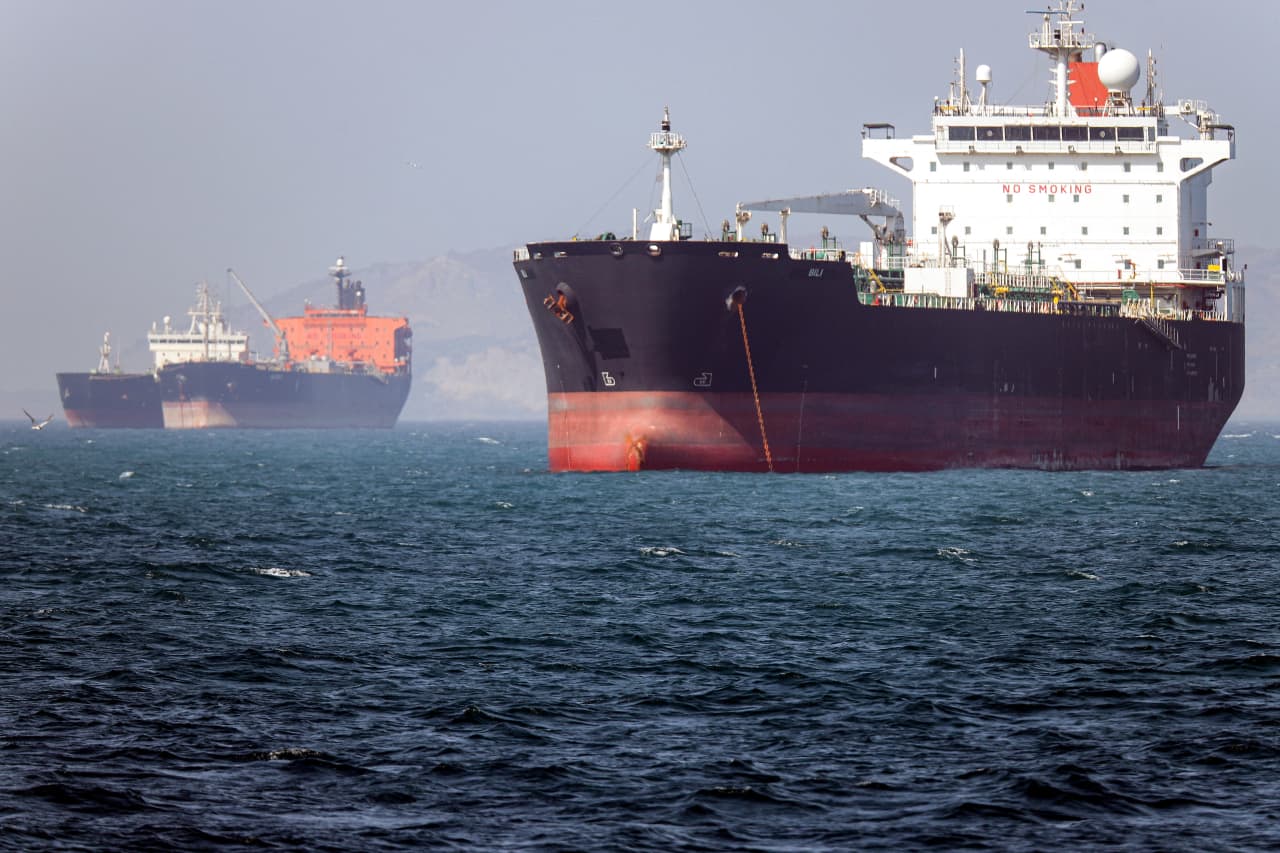
On the physical side, the report cites disruptions to maritime transport caused by the conflict. When shipping routes are affected, the effect is not restricted to the gross price of the commodity, and spreads across logistics and production costs that reach the final consumer.
The point of greatest uncertainty, according to MarketWatch, is that the impacts of the conflict on the global oil sector are not yet fully visible. The same article states that the market may soon reach a point of clarity, at which point more complete data should make it possible to measure the extent of the shock.
For those who defend fiscal responsibility and free markets, the debate goes beyond gasoline. Expensive energy puts pressure on the costs of companies and families, fuels inflation and limits the space for a more predictable interest rate policy, which makes the issue relevant for the entire economy.
What changes for the investor
If the projection is confirmed, high oil tends to favor companies in the energy sector linked to production and put pressure on companies that depend on fuel and transport, in addition to keeping cost inflation on the radar of central banks. The article presents this scenario as a projection, not as data, and it is not a price prediction or a recommendation to buy or sell. It is worth monitoring the signs of clarity that the market is still waiting for regarding the impacts on the sector.
Automatically translated from Portuguese.