Lula says he will govern for 215 million and aims to regulate social media
In his first speech after his fourth term, the president talks about regulating digital platforms while businesspeople suspend donations and social projects.
BY THE X-TRADER NEWS NEWSROOM · REPORTING FROM BLOOMBERG LÍNEA · 3 MIN
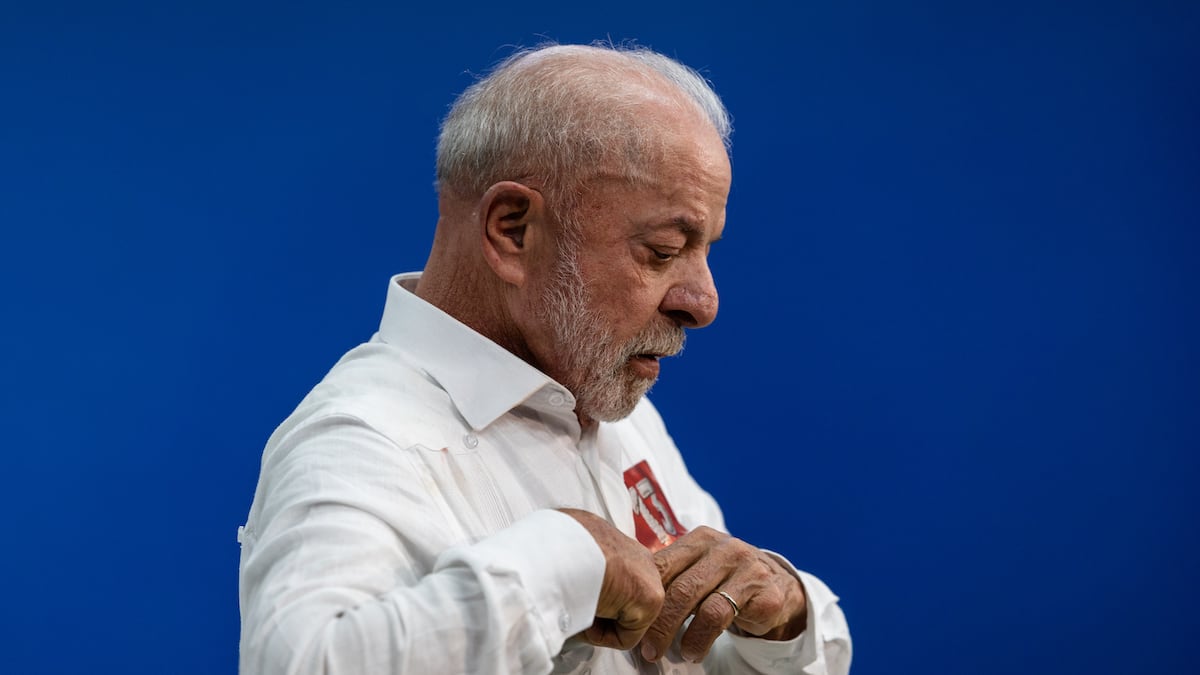
In his first speech after winning his fourth term, Luiz Inácio Lula da Silva stated, according to Bloomberg Línea, that he no longer has opponents and that he needs to govern for 215 million Brazilians, in all cities. The message of unification, however, was accompanied by a direct message to digital platforms.
The president said that it was necessary to overcome the interference coming from outside through digital platforms. He defended that these companies be regulated, criticized large companies that obtain high revenues without paying taxes in the country and stated that they would try to direct the outcome of the election. He also said that crime in the digital environment needs to be treated in the same way as crime in the real world.
The report does not detail what type of regulation would be proposed, what the format of eventual taxation of platforms would be, nor is there a deadline for any measure. For now, what exists is a declaration of intent, and investors need to separate the rhetoric from a concrete change in the rules.
On the other hand, Gazeta do Povo reports that Brazilian businesspeople suspended donations and social projects after the election, citing economic uncertainties. According to the vehicle, the report explains the justifications and legal implications of these decisions. The available material, however, does not provide values or the number of companies involved.
For the liberal reader, the central point is predictability. Regulating platforms and charging taxes on them are legitimate topics for debate, but the way this is done defines the cost to the economy. When businesspeople reduce donations and projects citing uncertainty, the signal is caution, and this type of signal is worth monitoring closely.
The published excerpts do not mention tax measures or revenue targets. While the conversation revolves around regulation and taxes on technology, the question that remains for those who follow public accounts is where the money will come from and how much uncertainty this adds to the country's fiscal trajectory.
What changes for the investor
For those who invest in the stock market, the main issue is regulatory risk. Technology companies, including those listed on foreign exchanges such as Nasdaq, may enter the regulation and taxation radar if a proposal advances, but without project text it is not possible to measure the reach. In the Brazilian market, the combination of discourse about rules for platforms and signs of corporate caution can increase the perception of risk, with possible impacts on the exchange rate and interest rates. It is worth monitoring the sending of projects to Congress, possible taxation details and the reaction of the private sector. This material does not constitute a recommendation to buy or sell any asset.
Automatically translated from Portuguese.