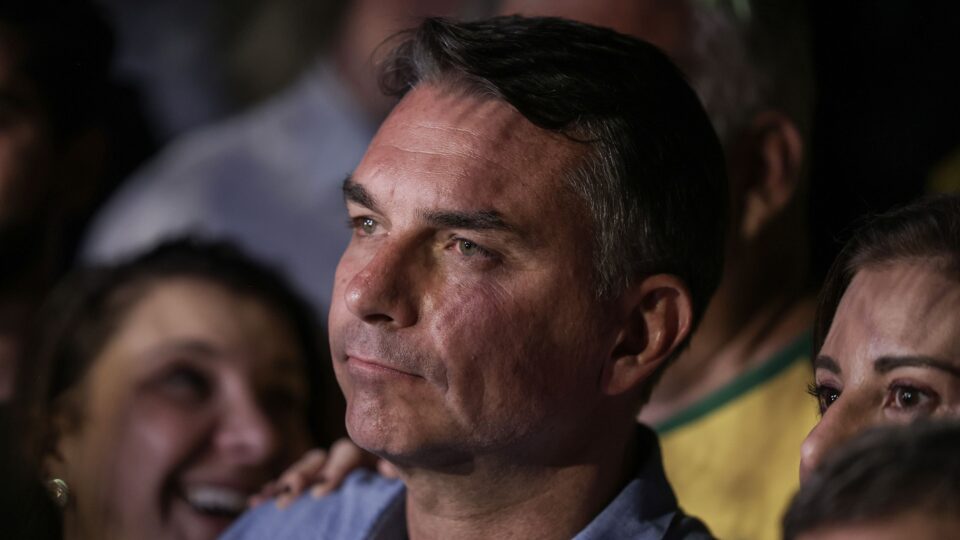
Quirno defends free trade in the G20 and rejects protectionist measures
The Argentine Chancellor summarized the Atlanta meeting in X and said that countries that follow competition rules should not be harmed by rivals with artificial advantages.
BY THE X-TRADER NEWS NEWSROOM · REPORTING FROM INFOMONEY · 2 MIN

Argentina's Foreign Minister, Pablo Quirno, defended free trade and rejected protectionist measures during the G20 foreign ministers meeting held in Atlanta, United States. According to InfoMoney, the position presented by the chancellor goes in the opposite direction to the advancement of trade barriers.
Quirno summarized the end of the meeting in a publication in X, according to the report. In the message, he reinforced the defense of trade openness as a principle to be preserved among the largest economies on the planet.
The central point of the speech is competition. For the minister, countries that comply with competition rules should not be harmed by rivals who benefit from “artificial advantages or market distortions”. The formulation shifts the debate from the simple opening of borders to equal conditions between those who produce and sell.
This distinction matters because international trade involves more than tariffs. When an exporter competes for the market with a competitor who has advantages outside the market logic, the dispute is no longer just about price and efficiency. In the reading presented by the chancellor, the problem is not in competition itself, but in unequal competition.
What is at stake is the predictability of trade between the main economies. The G20 is a space for political coordination, and the explicit rejection of protectionist measures signals, in this forum, a defense of shared rules.
What changes for the investor
Declarations by foreign ministers do not, in themselves, change tariffs or trade rules, and the report does not mention concrete measures. Even so, the tone of the speech indicates a field of dispute: those who defend competition on equal terms tend to demand clear and predictable rules, while barriers and distortions increase the cost and risk of exporting and importing. For those who follow companies exposed to foreign trade, it is worth observing whether the topic moves towards concrete proposals in forums such as the G20.
Automatically translated from Portuguese.