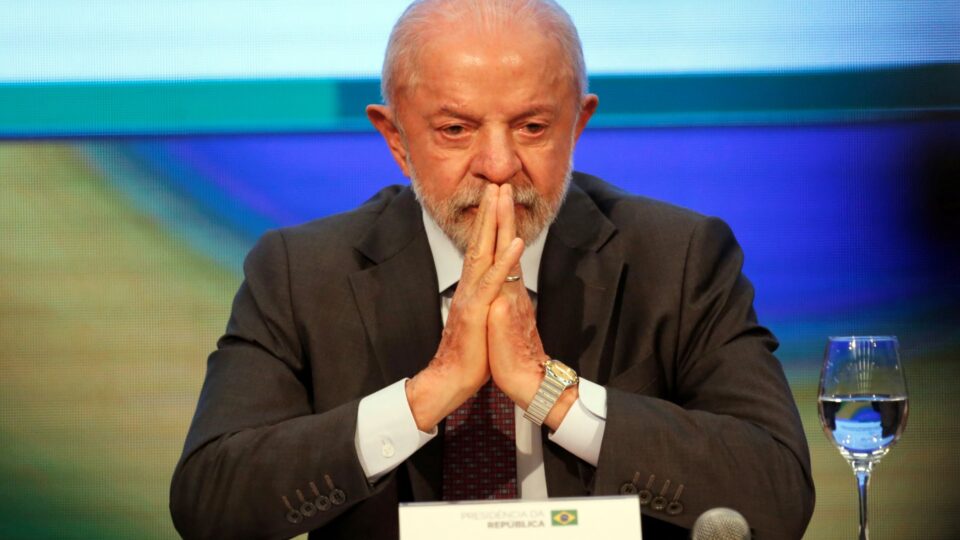
The market doesn't vote. The market reacts: what a week of political tension, interest rates and artificial intelligence taught traders
From the turmoil after the Brazilian elections to the Federal Reserve's decision and the balance sheets of technology giants, a week that showed why understanding the scenario is as important as mastering the charts.
ESTÉFANO'S COLUMN · ESTÉFANO SANTOS · 4 MIN
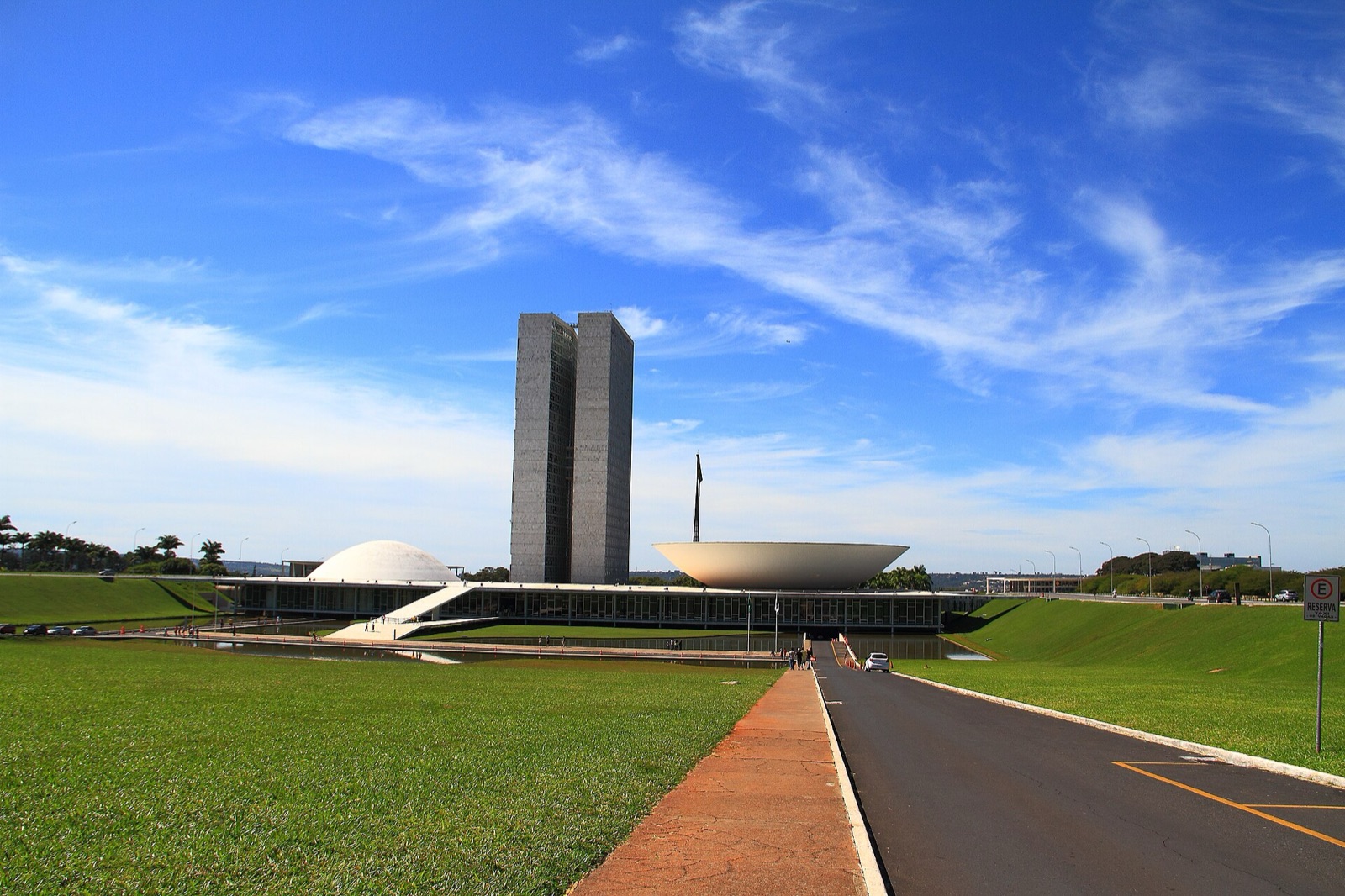
There is a huge difference between following news and understanding how it influences the market.
And this week was a prime example of that.
While Brazil faced a strong reaction from investors to the election results, the United States focused attention on interest rate policy, inflation indicators and billion-dollar investments in artificial intelligence.
At first glance, they appear to be different events. But they all have something in common: changing expectations can alter the behavior of capital.
1. Brazil: the election is over, but the uncertainty is not
On Monday, the Ibovespa fell 13.88%, triggering the circuit breaker, while the dollar advanced 8.21%.
The intensity of the movement showed how the market can react when the outcome of an important event requires a quick review of investor expectations.
My reading is simple: the market doesn't just react to the name of who won an election. It tries to anticipate decisions on public spending, taxation, inflation, interest and economic growth.
When these perspectives change, capital can also change direction.
This does not mean that every drop is permanent or that every rise in the dollar represents a lasting trend. It means that the investor needs to separate the emotional reaction from the evaluation of fundamentals.
2. Federal Reserve: the importance of what comes after the decision
In the United States, the Federal Reserve kept interest rates between 3.75% and 4%.
For those who follow the Nasdaq, it is not enough to know whether there was an increase, reduction or maintenance.
The most important thing is to understand what the economic data suggests about the central bank's next moves.
This week, American GDP showed annualized growth of 3.4% in the third quarter, while inflation measured by PCE reached 3.6% in 12 months.
A resilient economy, combined with persistent inflation, could keep the discussion about high interest rates going for longer.
And interest directly influences the way investors evaluate companies, especially technology ones.
3. Nasdaq: artificial intelligence has entered a new phase
For a long time, it was enough for a company to announce investments in artificial intelligence to spark enthusiasm.
Now investors are asking a more demanding question:
When will these billions invested turn into results?
The earnings of technology giants have brought this discussion back to the center of Wall Street.
On Thursday, the Nasdaq fell 1.4%, in a session marked by pressure on technology stocks and concerns about the return on investments in AI.
In my opinion, this is an important change in behavior: the market continues to recognize the potential of technology, but is increasingly attentive to costs, cash generation and the ability to transform innovation into profit.
For the trader, this can represent intense movements, but it also requires extra care.
4. What did this week teach those who operate the Nasdaq?
For more than ten years, I have dedicated my professional activity to the American market, especially Nasdaq.
One of the main lessons I try to convey is that trading does not mean trying to guess the next price movement.
A piece of news can provoke a strong initial reaction and, minutes later, the market can go in the opposite direction.
Therefore, I developed my work around reading movements, confirmation, discipline and risk management.
The news helps to understand the environment. The chart shows how the price is reacting. And the method helps you decide when there is a suitable condition to operate or when it is better to stay out.
My vision for the next trading sessions
After a week like this, I consider it important to monitor three factors: the evolution of interest rate expectations in the United States, the reaction of technology companies to corporate results and economic and political developments in Brazil.
None of these factors alone determine the direction of the Nasdaq.
What matters is observing how they combine and, above all, how the market responds.
My conclusion is that a trader's biggest advantage is not in receiving the news first, but in knowing how to interpret it without abandoning his method.
Because information without discipline can become noise.
And in the financial market, knowing when not to trade is also part of the profession.
Estéfano Santos is the founder of X-Trader, a trader at Nasdaq Futures for over 10 years and creator of the Confirmation Clock methodology.
Financial analysis and education article. It does not constitute an investment recommendation.
Automatically translated from Portuguese.

ESTÉFANO'S COLUMN
Estéfano Santos · founder of X-Trader and a Nasdaq Futures trader for over 10 years
In the X-Trader program, Estéfano teaches the method he uses every day, with risk management before any trigger.
DISCOVER THE PROGRAM ↗