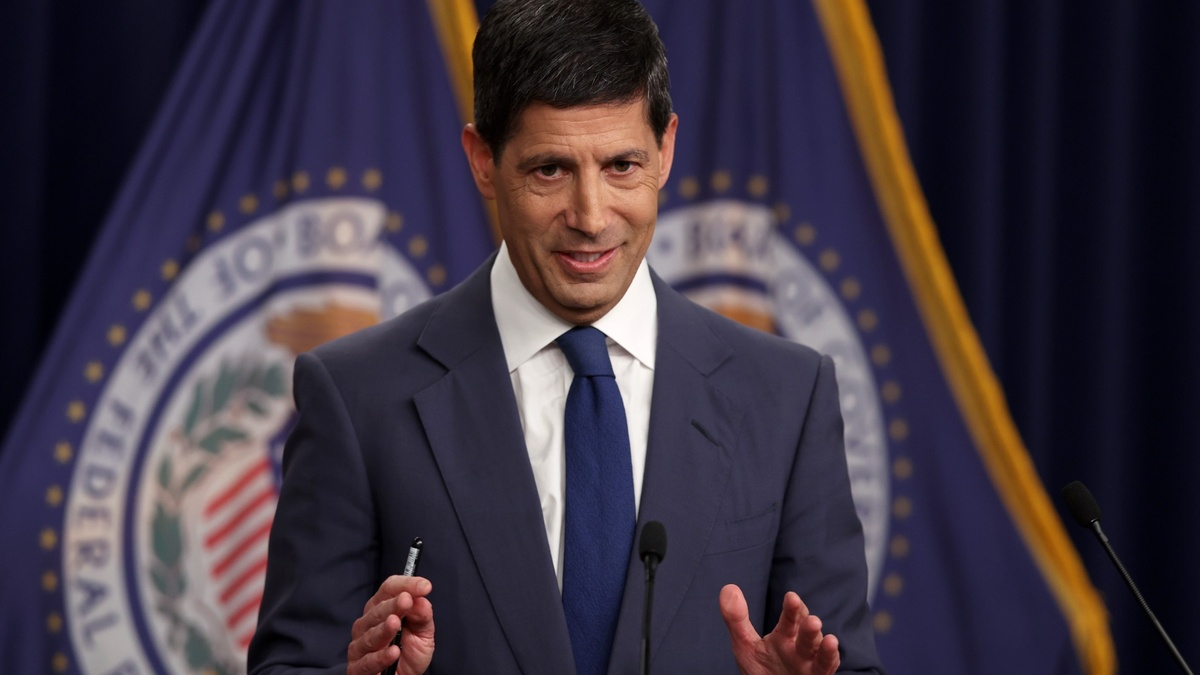
Gold and silver fall after Fed maintains interest rates and market monitors new tightening in December
With the American base rate maintained between 3.75% and 4.00% per year, precious metals closed Thursday (29) lower on Comex.
BY THE X-TRADER NEWS NEWSROOM · REPORTING FROM TIMES BRASIL · 2 MIN

Gold and silver prices closed lower on Thursday (29) on the Comex, New York Stock Exchange, in a session in which investors turned their attention to the possibility of higher interest rates in the United States. The information is from Times Brasil.
Gold with the December contract fell 0.50% and closed at US$4,031.4 per troy ounce, after operating with a slight drop since opening. Silver lost 2.40% and closed at US$52.380 per troy ounce, according to the same source.
The backdrop is American monetary policy. The Federal Reserve (Fed) maintained the basic interest rate in the range of 3.75% to 4.00% per year, a decision already expected by the market. The movement in metals, therefore, did not come from a surprise in the announcement, but rather from the focus that shifted to what could come later.
According to Times Brasil, the market remains alert to a possible new round of monetary tightening in December. Higher interest rates in the United States were cited as a factor putting pressure on precious metals. The logic is usually straightforward: gold and silver do not pay interest, and therefore tend to lose attractiveness when the remuneration of fixed income investments rises.
What is at stake is the direction the Fed will take in the coming months. Each economic data that changes this expectation tends to be reflected in metal prices.
What changes for the investor
For those who follow interest rates, the dollar and the stock market, the fall in gold and silver shows that the metals market reacts directly to bets on the American rate. If the tightening in December is confirmed, the pressure pointed out by the source should continue to be on the radar. If expectations change, the picture could be different. It is worth monitoring the Fed's next decisions and the data that guide them, without taking the movement of a single trading session as a trend.
Automatically translated from Portuguese.