The Nasdaq Won't Wait for You: A Week of Decisions, Volatility, and a New Clock
American elections, reports from technology giants, economic indicators and the time change in the United States place Brazilian traders facing a week that requires preparation.
ESTÉFANO'S COLUMN · ESTÉFANO SANTOS · 6 MIN

The American market begins November with a combination that deserves attention: elections, large companies publishing results, important indicators about the economy and a time change that directly affects the routine of those operating in Brazil.
And I want to start this column with a reflection.
A trader's biggest risk is not always in market movement. Often, it is due to a lack of preparation for what we already know can happen.
I've been operating the American market for over ten years and I've learned that some of the most important decisions are made before even opening the chart.
This week, that will be especially true.
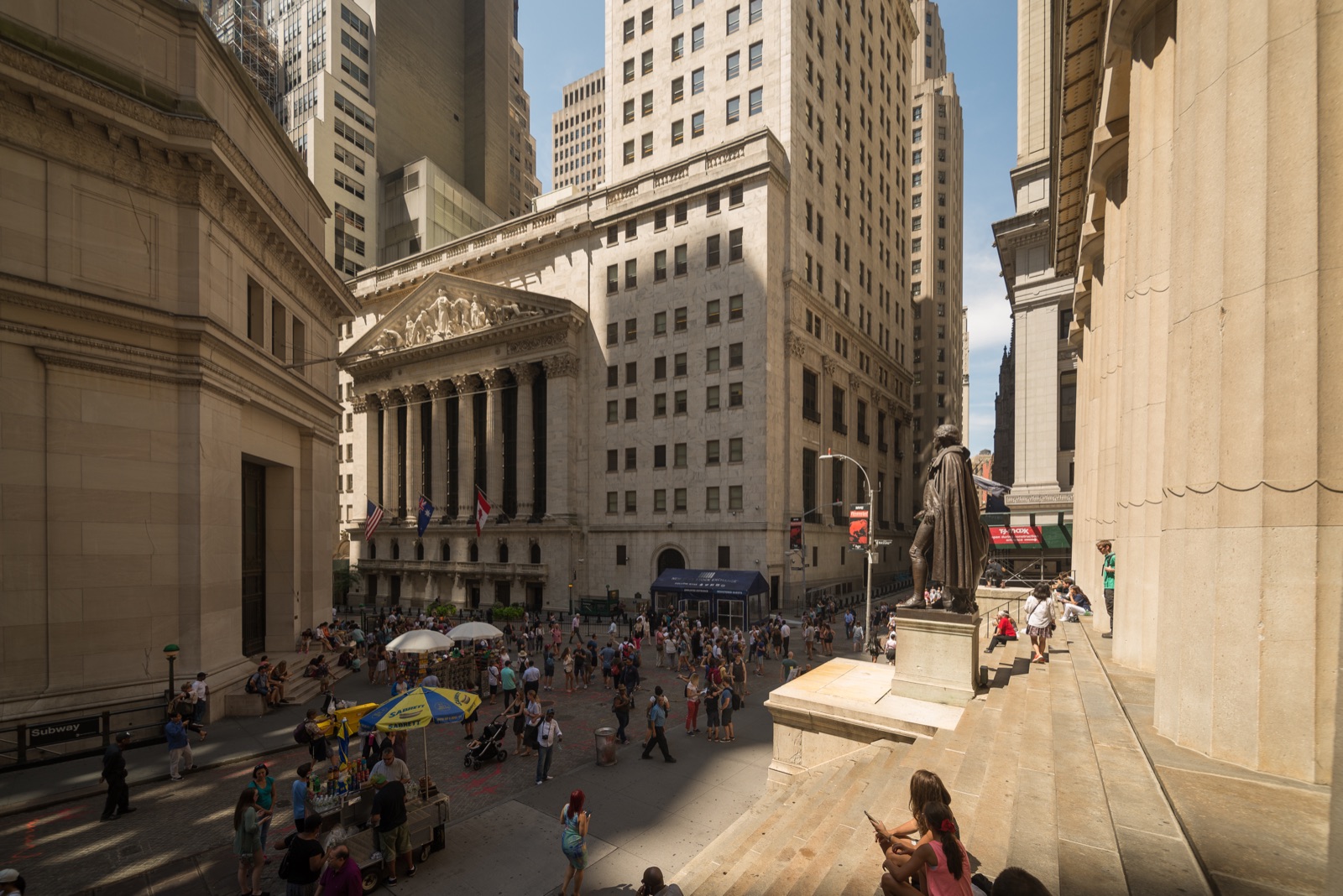
Wall Street begins November under pressure
The Nasdaq ended last week with a drop of approximately 2%, in an environment of greater caution towards technology companies.
And now investors will have new elements to evaluate.
Apple and Palantir are among the companies with results scheduled for this Monday. On Tuesday, it will be AMD's turn, one of the companies closely monitored by those investing in the growth of artificial intelligence.
Why does this matter?
Because the market is not just looking at how much these companies made. It is trying to understand whether billion-dollar investments in technology and artificial intelligence are turning into sustainable growth.
A company can present positive numbers and still see its shares fall if expectations were higher.
This is one of Wall Street's most important lessons: the price doesn't just react to the result. It reacts to the difference between the result and what investors expected.
For those who operate Nasdaq-100 futures, these movements can influence the behavior of the index, especially when they involve companies with great weight in the market.
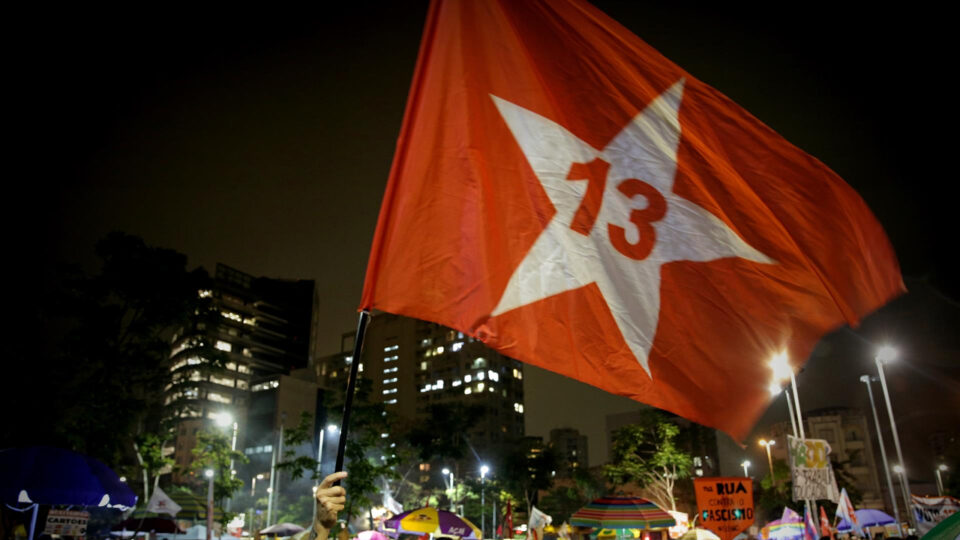
Tuesday: the United States goes to the polls
Another important event will be the American legislative election, scheduled for November 3rd.
Voters will renew the entire House of Representatives and part of the Senate, defining the composition of Congress for the next two years of the Trump administration.
And the market follows this process because decisions on taxes, public spending, international trade and regulation of strategic sectors pass through the political environment in Washington.
It does not mean that a given electoral result will automatically produce a rise or fall in the stock market.
It means that investors will be able to review their expectations as the new scenario becomes clearer.
And here is a phrase I often repeat:
The market doesn't vote. The market reacts.
Our job as traders is not to transform political preferences into operations. It means understanding what has changed, observing the price reaction and respecting the plan.
The American economy will also be put to the test
Throughout the week, economic indicators will compete for attention with politics and corporate balance sheets.
On Monday, we will have the industrial ISM, an important barometer of American economic activity.
On Tuesday, the JOLTS report will provide information on job openings.
On Wednesday, private employment numbers from ADP and the services ISM will help compose a broader view of the economy.
And on Friday, November 6, the official American employment report, known as payroll, is scheduled.
This is one of the indicators that I consider fundamental for anyone who follows the Nasdaq.
Job market numbers help form expectations about the next steps of the Federal Reserve, the American central bank.
A more heated economy could fuel concerns about inflation and interest rates. Signs of slowdown can provoke other interpretations about growth, consumption and monetary policy.
The central point is that there is no mandatory market reaction for each indicator.
Therefore, before trading on news, it is necessary to understand what was expected and how prices are responding.
Attention, Brazil: the clock has changed!
And here is an alert that I consider indispensable for Brazilians.
This Sunday, November 1st, the United States ended daylight saving time.
Brazil is not on summer time. Therefore, the difference between Brasília and New York went from one to two hours.
This changes the time reference for those who follow Wall Street from Brazil.
The regular session of the American stock market, which previously started at 10:30 am Brasília, now starts at 11:30 am.
Closing, which took place at 5pm, is now at 6pm.
But be careful: anyone who operates the E-mini Nasdaq-100 (NQ) and Micro E-mini Nasdaq-100 (MNQ) futures contracts needs to understand an important difference.
These contracts are traded electronically throughout much of the day, not just during regular stock exchange operations.
The 11:30 opening remains a relevant reference because it marks the beginning of regular stock trading in the United States, a moment that can concentrate important movements.
And there is another detail that many traders forget.
American economic indicators also start to arrive an hour later on the Brazilian clock.
A report released at 8:30 am in New York, for example, will now be published at 10:30 am in Brasília.
Friday's payroll is scheduled precisely for this time.
In other words: it is not enough to set the alarm clock for the opening of the Nasdaq. It is necessary to update the economic calendar, alerts and references used in the strategy.
What I will observe this week
My focus will be on three points.
The first is Nasdaq's reaction to the results of big technology companies. I want to watch whether investors find reasons to regain confidence or whether the recent pressure continues.
The second is the market's response to elections and economic indicators. Important news can produce volatility, but volatility alone does not represent an opportunity.
The third is the price behavior in moments of greatest movement, especially at the American opening and in data releases.
It is in this context that I consider it essential to work with confirmation, discipline and risk management.
When developing my methodology, the Confirmation Clock, one of my concerns was precisely to structure criteria that would help reduce impulsive operations.
Because we don't need to participate in every movement.
We need to learn to recognize those that make sense within our planning.
The best operation of the week can start before the opening
I want to close by leaving a message especially for those just starting out.
Don't confuse a schedule full of news with an obligation to operate more.
A week with elections, balance sheets, economic indicators and expectations about interest rates can present significant movements. But it can also bring contradictory signals, sudden changes in direction and elevated risks.
The professional trader needs to know when to act and, above all, when to wait.
Review your schedules. Check out economic events. Know the risk of each operation. Respect your capital limits.
And don't forget that the market will continue to function even when you decide to stay away.
The market doesn't need your rush. It demands your preparation.
An excellent week to all.
Speak up, Class! We go with discipline, knowledge and responsibility.
Trading is not gambling. It's a profession.
Dates and times as per Apple, Palantir, AMD, Bureau of Labor Statistics, ISM, ADP and NIST.
Estéfano Santos is a trader specialized in the American market, with more than ten years of experience, creator of the Confirmation Clock methodology and mentor at the X-Trader Academy.
Transparency notice: this column is written by Estéfano Santos, from X-Trader Academy, the company that maintains The X-Trader News. The text is informative and educational in nature and does not constitute investment advice.
Automatically translated from Portuguese.

ESTÉFANO'S COLUMN
Estéfano Santos · founder of X-Trader and a Nasdaq Futures trader for over 10 years
In the X-Trader program, Estéfano teaches the method he uses every day, with risk management before any trigger.
DISCOVER THE PROGRAM ↗