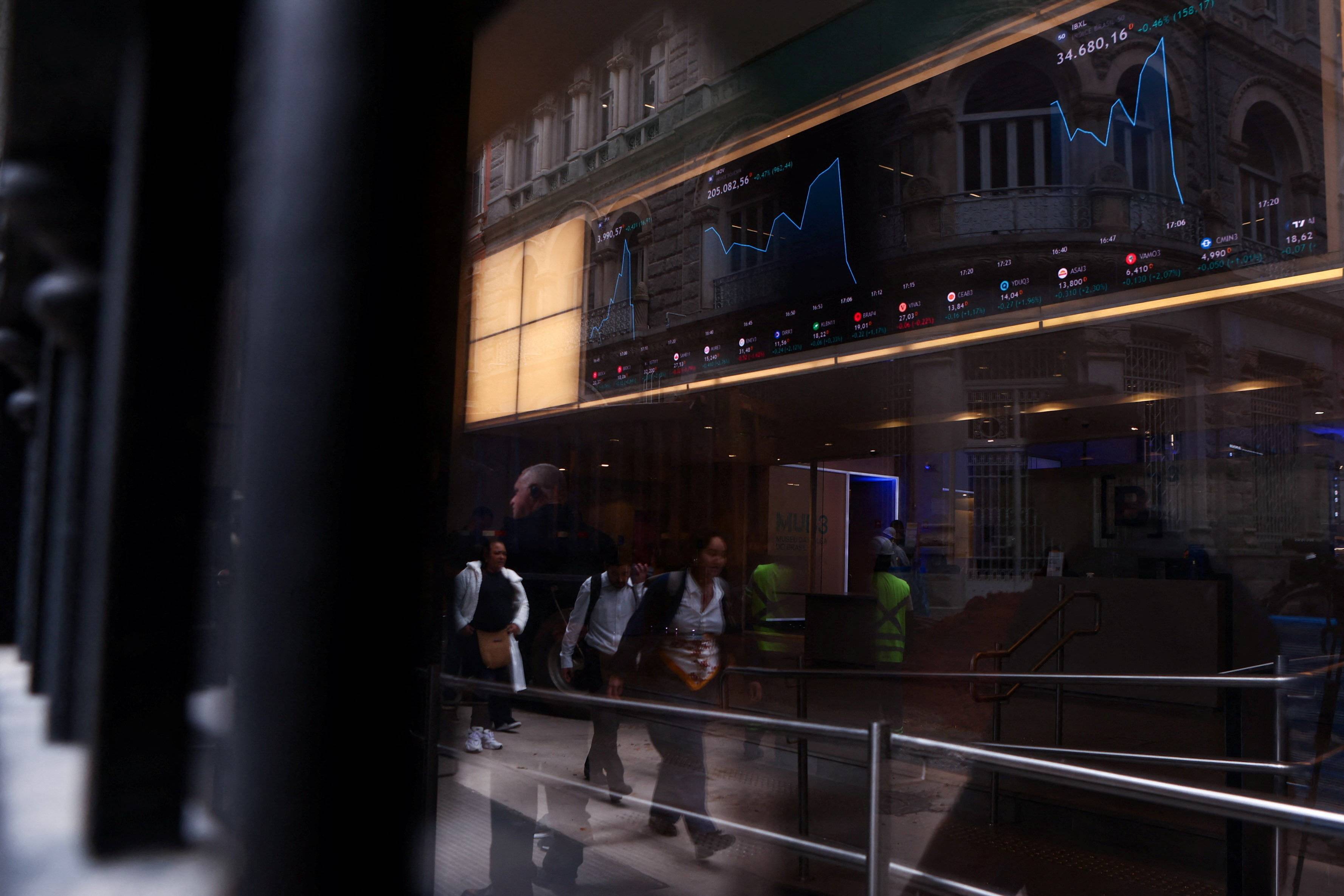
Ibovespa has the biggest monthly drop since 2022 after renewing historic highs
According to InfoMoney, the index fell 9.88% in October and accumulated losses in the week due to fiscal and external fears, after exceeding 209 thousand points.
BY THE X-TRADER NEWS NEWSROOM · REPORTING FROM INFOMONEY · 2 MIN
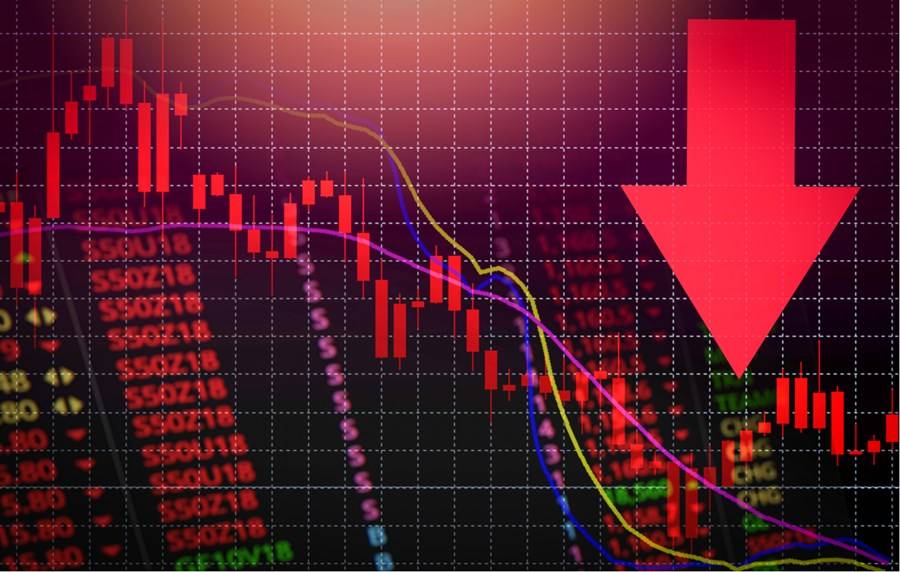
According to InfoMoney, Ibovespa ended October with a drop of 9.88%, the biggest monthly drop since 2022. The month started with optimism, and the index reached historic highs and surpassed 209 thousand points.
The rally in early October was based on the expectation of alternation in power and a more austere fiscal agenda. The rises were led by banks, retailers, construction companies and interest-sensitive companies, stocks that tend to react strongly when the market sees more predictability in public accounts.
After the second round, with Lula's re-election confirmed, investors dismantled positions linked to the campaign, according to the same report. Since then, the Ibovespa has fallen for the fifth time, in a movement that InfoMoney attributes to fiscal fear and the external scenario.
During the week, the accumulated drop reached 17.5% until the previous close. According to the report, the movement could be the biggest weekly drop in the historical series, surpassing the 15.6% recorded in the week ending March 13, 2020, at the height of the covid-19 pandemic.
In trading this Friday, at 11:42 am, the index fell 0.42%, to 168,480.95 points. The day's minimum was 167,007.57 points (-1.29%) and the maximum was 169,184.60 points. Western stock exchanges also fell in the morning, and iron ore on the Dalian exchange fell 1.18%.
In New York, the Nasdaq fell 2.12%. The EWZ, which tracks Brazilian shares, fell by around 2%, but reduced the fall to 0.97%, according to InfoMoney.
What changes for the investor
The sequence of falls indicates that the market began to price fiscal risk and the external environment more heavily. For those who invest and operate, this tends to mean more volatility in the coming trading sessions. The sectors that led the rally, such as interest-sensitive banks and companies, are more exposed to any change in the perception of public accounts and the trajectory of interest rates. The report does not provide price projections, and neither does this analysis.
Automatically translated from Portuguese.