Government rushes to vote on AI rules and expand Cade’s power over big techs in 2026
Two projects aim for transparency in artificial intelligence systems and expand Cade's operations on large digital platforms.
BY THE X-TRADER NEWS NEWSROOM · REPORTING FROM TIMES BRASIL · 2 MIN
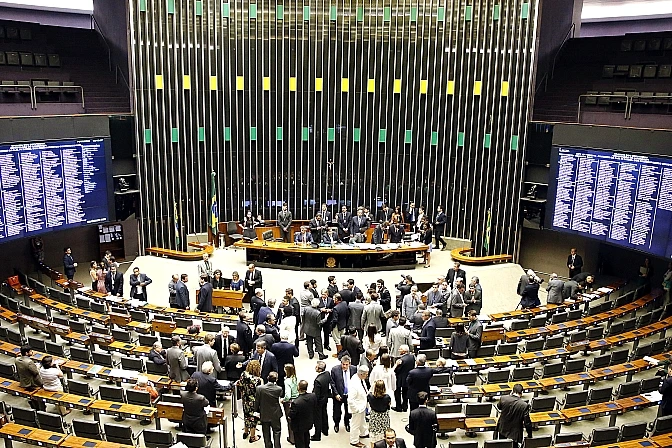
The federal government wants to approve two projects that deal with artificial intelligence and big tech in 2026. According to Times Brasil, the goal is to conclude the vote before the inauguration of elected deputies and senators in October, which leaves Congress with a short calendar to discuss far-reaching matters about the digital economy.
The first project establishes rules for the development and use of artificial intelligence. According to Times Brasil, the proposal requires transparency and accountability for damages eventually caused by technologies.
The second project targets the digital market. It expands the role of Cade, a body that combats practices that are harmful to competition, to oversee large digital platforms. In practice, the authority would have a broader role over this group of companies.
The two texts are connected by a common point: the State wants to define limits for technologies that advance faster than legislation. The central question, from a liberal point of view, is to what extent regulation protects the consumer without hindering innovation and without creating costs that only the largest companies can absorb.
The available data does not provide adaptation deadlines, sanctions or the details of the inspection that would be the responsibility of Cade. These are the points that will define the real scope of the changes, and they still need to be debated in Congress.
What changes for the investor
For those who invest and operate, the point of attention is the regulatory cost. Transparency and liability rules for damages may require adaptation of processes and products from technology companies, and more active supervision by Cade may change the competitive dynamics of the digital sector. This type of change tends to weigh more heavily on companies with greater exposure to the topic, but the impact depends on rules that are not yet detailed. This analysis does not recommend the purchase or sale of assets or project price behavior.
Automatically translated from Portuguese.