Bukele sends more than 2,000 soldiers to Haiti and reignites the debate over security on the island
With support from the Trump administration, El Salvador sent troops to the country after the kidnapping of four Salvadoran soldiers from a UN-backed force.
BY THE X-TRADER NEWS NEWSROOM · REPORTING FROM INFOMONEY · 2 MIN
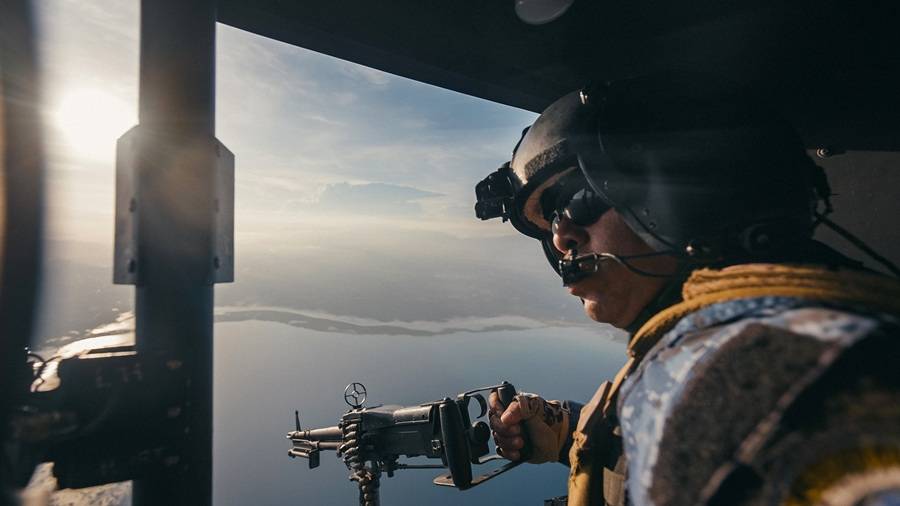
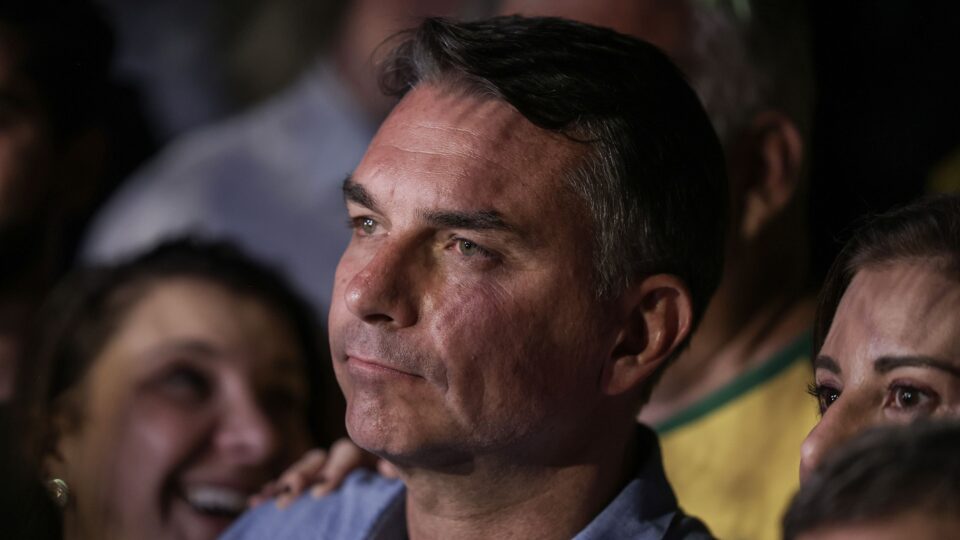
El Salvador's president, Nayib Bukele, led the country into one of the largest bilateral military operations ever carried out in Haiti. According to InfoMoney, El Salvador sent more than 2,000 soldiers to the island this week, with support from the Trump administration. The question that gives the report its title is straightforward: can Bukele's model help stabilize a country in crisis?
The Haitian deterioration comes from a long time ago. In March 2024, according to the report, Haitian gangs united and parts of the capital were on fire. At that moment, Bukele published on X: "We can resolve this."
The scenario became even more tense on October 18, when four Salvadoran soldiers from an international force supported by the UN were kidnapped in Haiti. San Salvador's response came in the form of a massive mobilization, which InfoMoney describes as sending more than 2,000 soldiers.
Experts interviewed by the report classify the action as one of the largest bilateral military mobilizations ever carried out on the island. The assessment, however, is not just praise: for these sources, the operation threatens to worsen a security situation that is already very delicate.
What is at stake is knowing whether a mobilization of this size, with the support of the American government, can contain violence in a territory where gangs have already united and parts of the capital have been set on fire. As the report does not detail the deadline, cost or financing of the mission, these points remain open.
What changes for the investor
The facts gathered do not provide market data on the topic, which is why the effect on the investor must be read as a risk, and not as a projection. The most visible channel is the perception of political risk: a large-scale intervention, with support from Washington, places American foreign policy at the center of the discussion about the region. Those who follow interest rates, the dollar and the stock markets can observe whether the mission takes on defined contours and whether violence advances, without this being taken as a buy or sell signal.
Automatically translated from Portuguese.