Bank of Japan maintains interest rates at 1.25% and leaves an increase in December on the radar
The decision was expected, but Ueda does not promise a timetable for increases and Japanese inflation once again exceeded the 2% target.
BY THE X-TRADER NEWS NEWSROOM · REPORTING FROM MONEY TIMES · 3 MIN
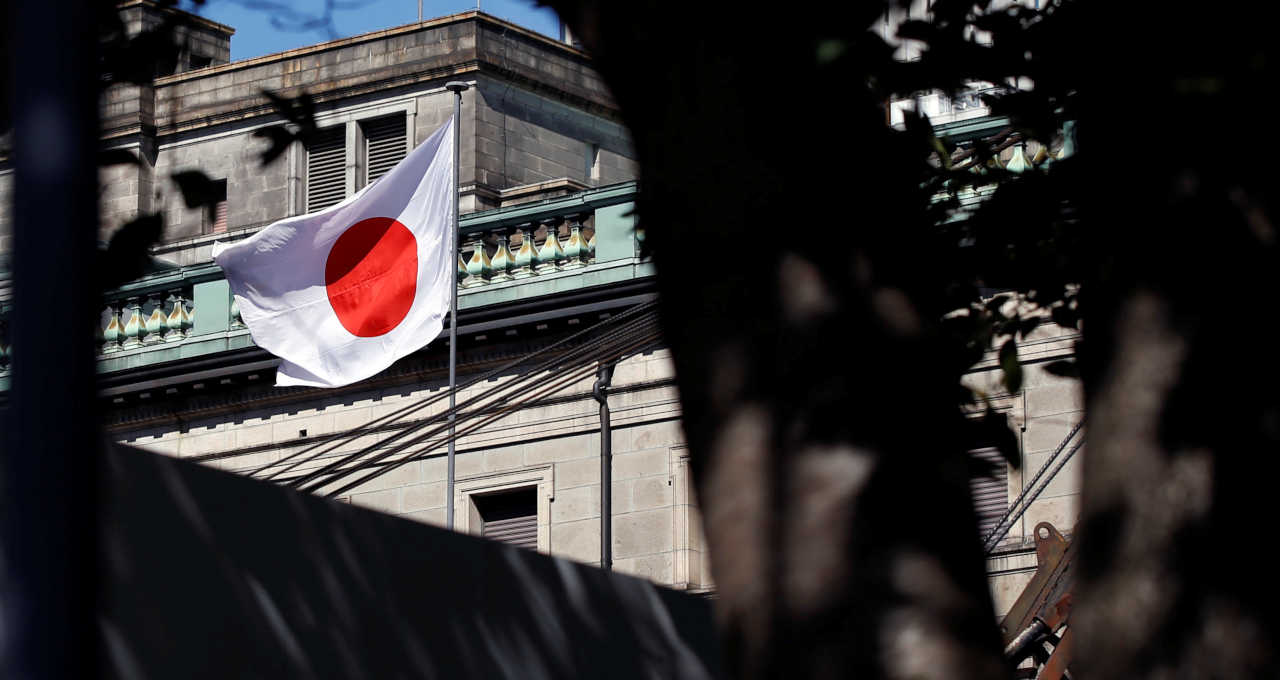
The Bank of Japan (BoJ) maintained the base rate at 1.25% per year on Friday the 30th, but left open the possibility of a new increase in December. According to Money Times, the maintenance was widely expected, and the signage for the next meeting is the point that draws the most attention.
The bank's president, Kazuo Ueda, stated that interest rates are decided at each meeting, including the one in December, and that there is no fixed calendar for increases. In practice, the institution does not promise the next change and reserves data analysis for each meeting.
The decision was also not unanimous. Hajime Takata voted to raise the rate to 1.5%, but lost, according to Money Times. The record shows that internal discussion exists and that the option for further tightening was on the table.
The background is inflation. According to InfoMoney, Japan's consumer price index accelerated to 2.1% annually in September, above the 2% target for the first time in nine months. Ueda said that the BC is aware of the risk of inflation remaining above the target.
The road to get here is long. According to Money Times, it took almost 14 years of effort to reach the 2% target, and the challenge now is to keep it close to that level. InfoMoney reports that the bank is evaluating the effects of the monetary tightening carried out in September and the risks of persistent inflation.
For the reader who values fiscal responsibility and predictability, the central point is discipline: the bank prefers to decide meeting by meeting, based on data, rather than promising a roadmap. According to Money Times, the pause also gives time to assess the effects of previous increases on credit.
What changes for the investor
For those who invest and operate, the message is that Japanese monetary policy remains in the adjustment phase, with a new high in December on the radar. Higher interest rates in Japan tend to make credit in yen more expensive and may make carry trade operations, which borrow cheap money in Japan to invest in other markets, less attractive. This movement usually has repercussions on currencies, global interest rates and risk assets such as those on the Nasdaq. The size and pace of a possible increase have not yet been defined, and so the next step is to monitor inflation data and the bank's announcements, without this representing any price prediction.
Automatically translated from Portuguese.