Political dispute marks the change of command at the ECB amid inflation and long interest rates
Lagarde and Schnabel leave the council at the beginning of next year, and 21 countries will choose their successors amid pressure on inflation and interest rates.
BY THE X-TRADER NEWS NEWSROOM · REPORTING FROM MONEY TIMES · 2 MIN
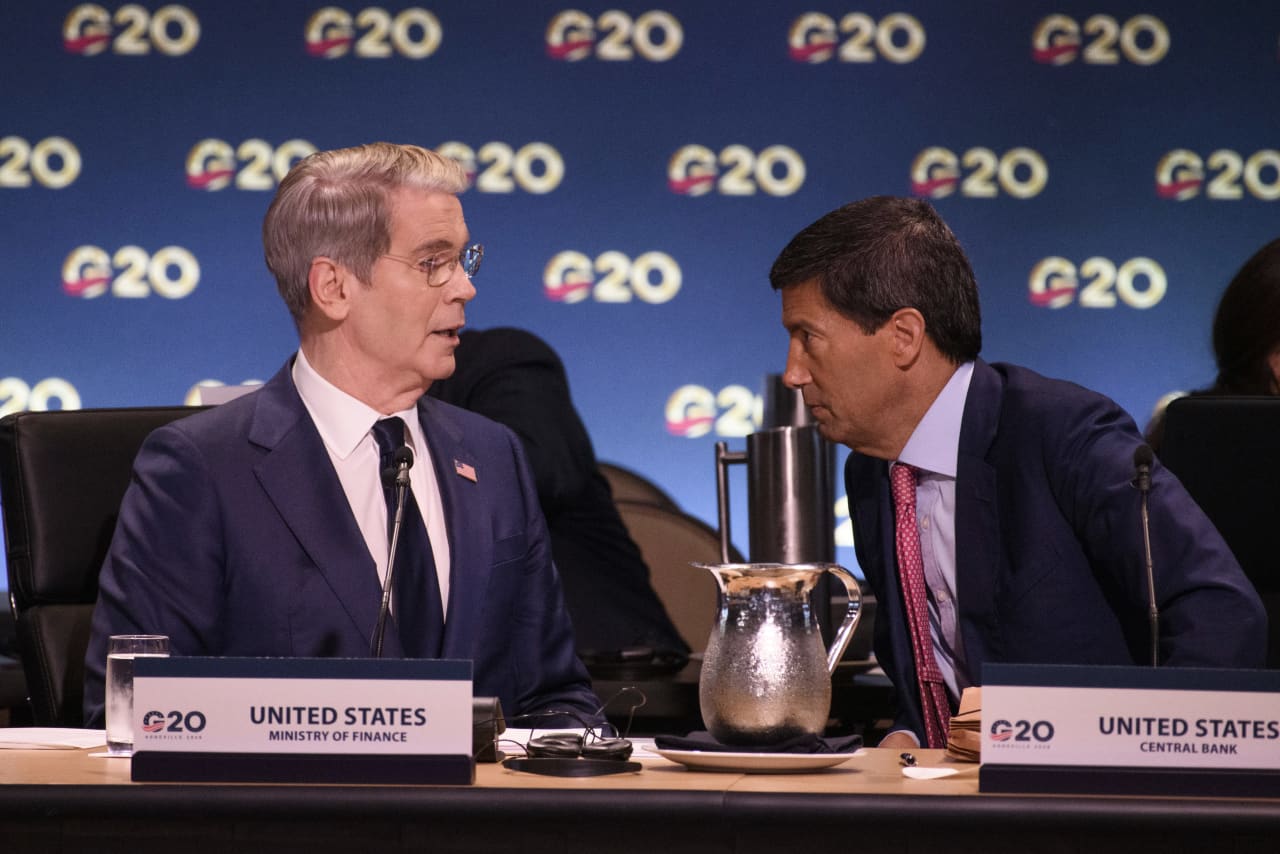
Eurozone leaders will choose, in the coming weeks, a new president for the European Central Bank (ECB) and a member of the executive board. According to Money Times, the decision is up to 21 countries in the bloc and comes amid a political dispute, at a time when the institution is combating excessive inflation.
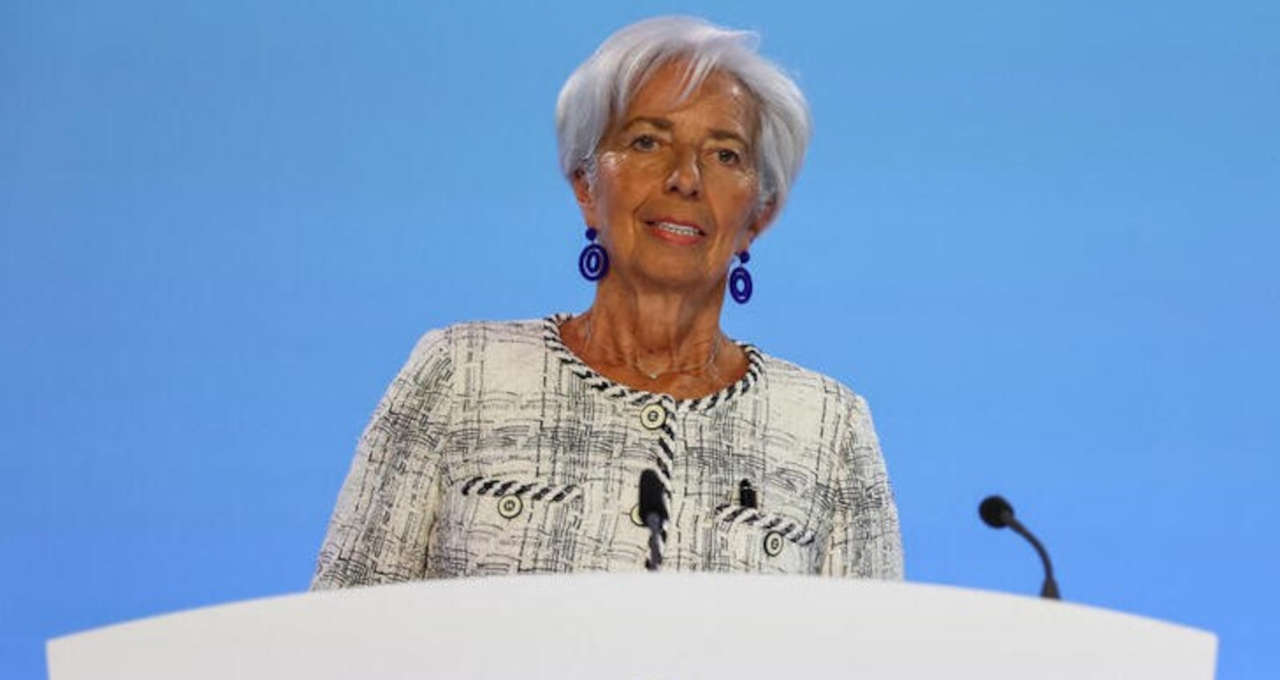
The exchange starts with the exits. According to Money Times, Christine Lagarde, president of the ECB, will resign with effect from the beginning of next year. Isabel Schnabel, from the executive board, also resigns, effective from the same period.
There is also the chief economist. Philip Lane, Irish, has a mandate until May 31. As a result, the position calendars do not coincide, and leadership renewal tends to occur in stages.
The background weighs on the choice. According to the Money Times, the ECB faces rising long-term borrowing costs while fighting excessive inflation, two challenges that will be on the table for whoever assumes the presidency.
For those who defend fiscal responsibility and clear rules, the central question is another: whether the succession will preserve the independence of the monetary authority in the face of political pressure. As there are 21 governments involved, each one comes to the negotiation with its own interests, and the result tends to reflect the political balance of the bloc, not just the profile of the candidates.
What changes for the investor
For those who follow interest rates, exchange rates and stock markets, the change in command is a factor of uncertainty to be monitored, without this meaning a defined scenario. Names, dates and profiles of successors tend to influence expectations about the conduct of monetary policy in the euro zone, and these expectations usually appear in interest rates and exchange rates. It is worth monitoring the definitions in the coming weeks and the evolution of the cost of long-term loans, without drawing early conclusions about the direction of prices.
Automatically translated from Portuguese.