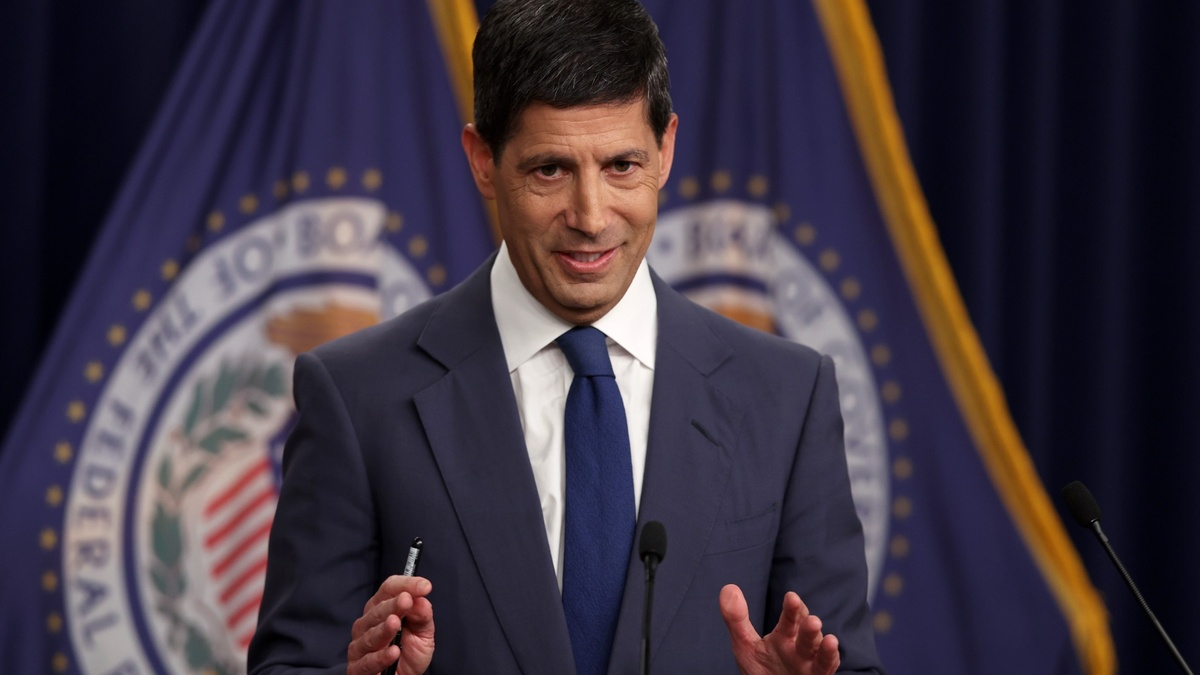
Fed pause in October may have been a mistake, and the Treasury enters the debate
US annual inflation rises to 3.6% and the PCE indicates an acceleration in prices, while discussion about a pause in interest rates grows.
BY THE X-TRADER NEWS NEWSROOM · REPORTING FROM MARKETWATCH · 2 MIN
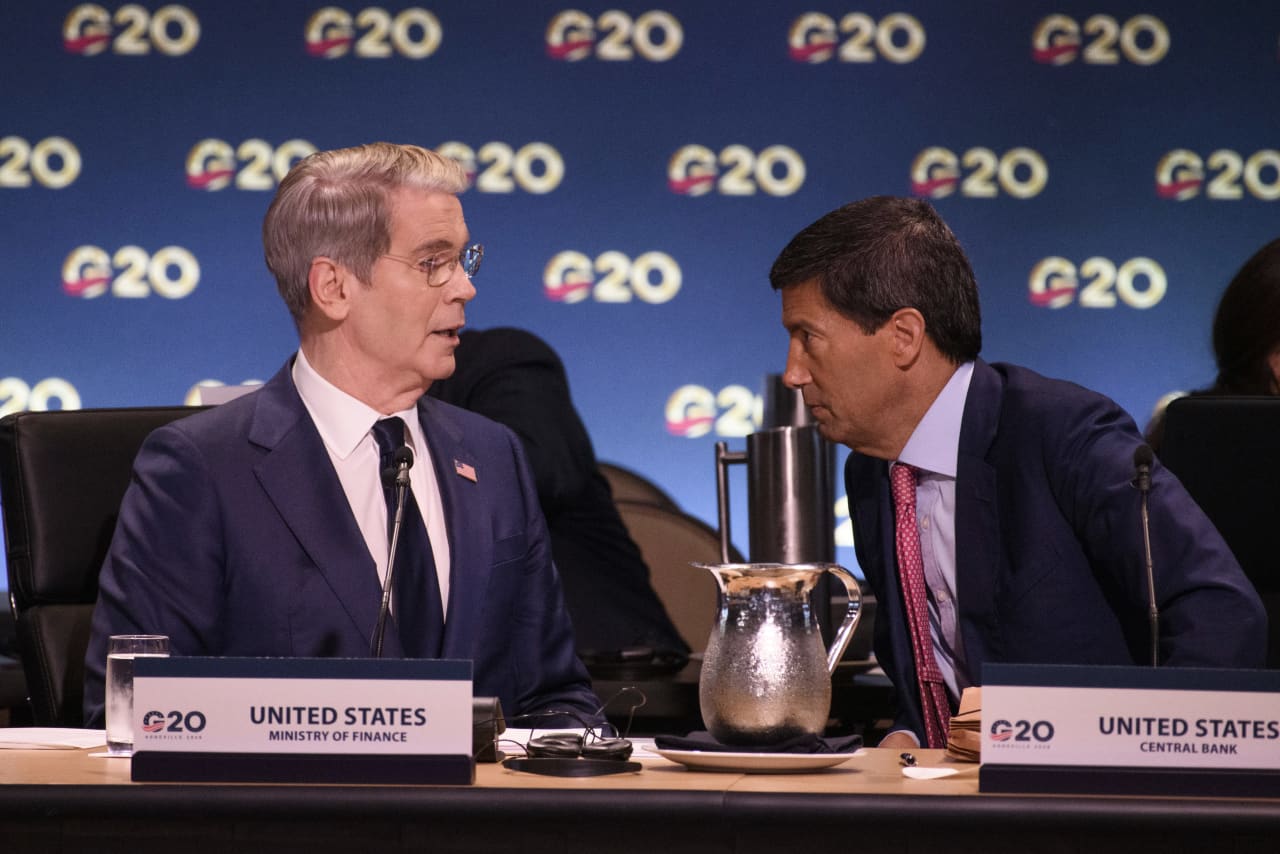
The Federal Reserve's pause in interest rate hikes in October has returned to the center of the economic debate in the United States. According to MarketWatch, the question circulating now is whether the central bank was wrong to interrupt the sequence of increases just when inflation is gaining strength again. The same text suggests that the US Treasury could help alleviate this pressure.
The data that weighs on the decision is inflation. According to MarketWatch, annual US inflation rose to 3.6%. The PCE index, a measure that the Fed monitors closely, also advanced and, according to the vehicle's reading, indicates an acceleration in prices. The pause, therefore, happened while prices were still rising.
The assessment presented by MarketWatch is that the interruption should be short-lived. For the vehicle, the price rise continues, which tends to limit the scope of a longer break.
This is where the Treasury comes in. The report discusses American debt financing plans and the expectation of a reduction in the supply of long-term bonds. The idea is that fewer long papers in circulation will increase demand and lower yields, acting in parallel with Fed policy.
For those who follow interest rates and currencies, the subject is important because it brings together two distinct instruments: the base rate defined by the Fed and the composition of the debt issued by the Treasury. When the latter gains prominence, the interest rate curve begins to reflect decisions that go beyond the monetary committee.
What changes for the investor
If the pause is short and prices continue to rise, the market may continue to price in high interest rates for longer, putting pressure on assets sensitive to the cost of money, such as growth stocks listed on the Nasdaq. On the other hand, a possible reduction in the supply of long securities, if materialized, could ease the yields on these securities. The outcome depends on upcoming inflation data and decisions by the Fed and Treasury, and the reading above does not constitute a buy or sell recommendation.
Automatically translated from Portuguese.