Washing a car in the garage can result in a heavy fine in Germany, according to O Antagonista
Report by O Antagonista shows how German environmental rules can affect domestic washing, with fines that the text says exceed 500 euros.
BY THE X-TRADER NEWS NEWSROOM · REPORTING FROM O ANTAGONISTA · 2 MIN
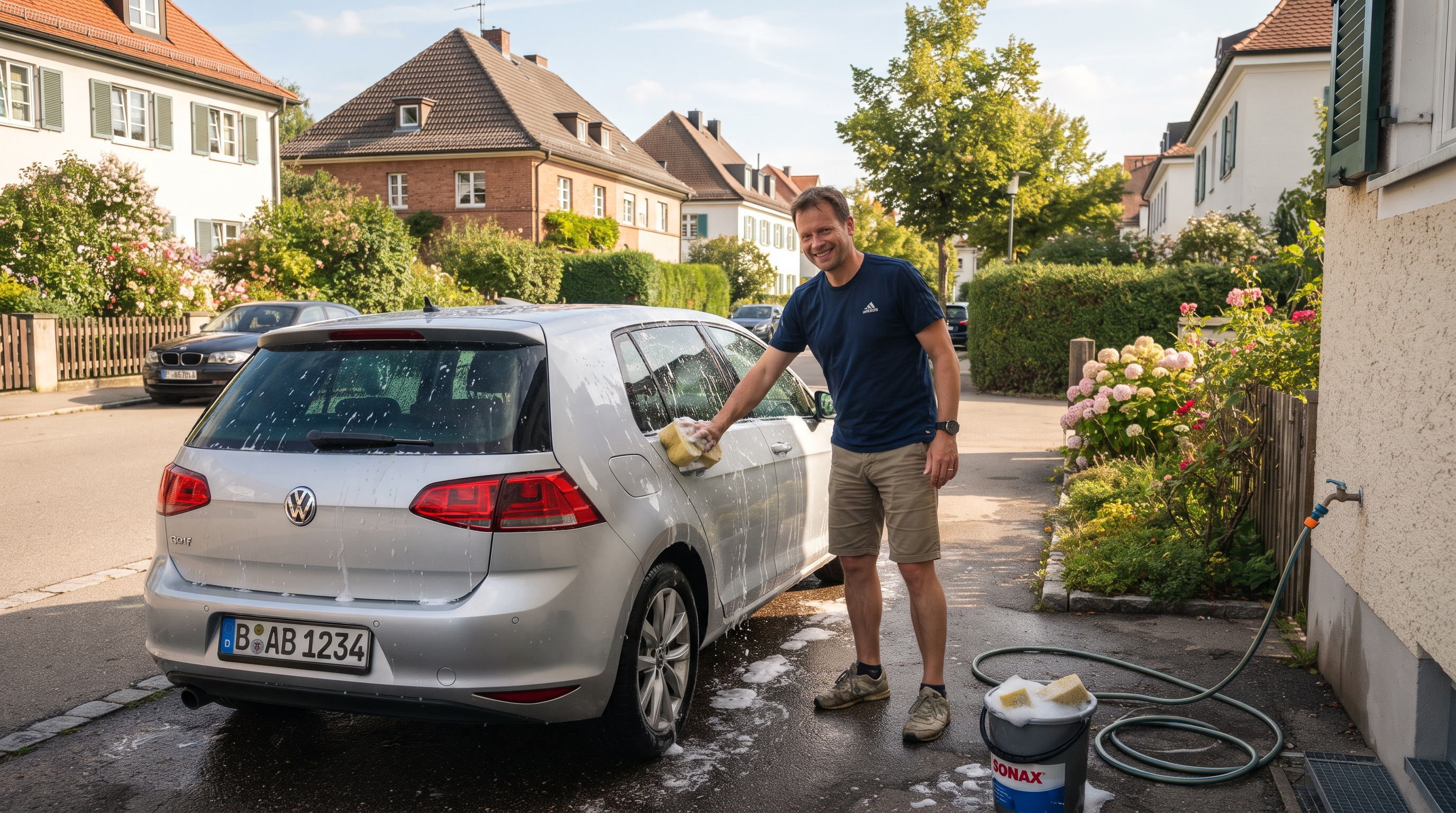
On a sunny Sunday, a resident of Germany decided to wash his own car with a hose on the garage ramp. Shortly afterwards, he received a notice from the local police imposing a fine, according to O Antagonista. The case became an example of how environmental rules can affect everyday actions.
The basis cited by the report is the German Water Protection Law. According to O Antagonista, the text states that the rule prohibits home car washing in most cities. The justification is that water with shampoo, oils and brake residue flows into drains and can contaminate groundwater.
The same report states that using soap on garden soil also generates charges, possibly higher than that applied to the ramp. In other words, the concern of the standard, as the text describes, is not limited to the place of washing, but to the destination of the water and waste.
There are, however, gaps that the reader needs to keep in mind. The report does not provide the article number of the law or the exact amount of the fine in each state. According to the text, fines vary by state and the most serious infractions would exceed 500 euros, an amount for which no official source is cited.
The alternative suggested are Waschanlagen, authorized car washes with tanks that filter waste before sewage. In practice, the debate revolves less around banning clean cars and more around where and how used water is treated.
For an editorial line that defends fiscal responsibility and less bureaucracy, the episode raises a simple question: does the rule achieve the environmental objective with proportionality? Protecting water is legitimate, but high fines applied to a domestic habit require clarity about criteria, values and supervision, precisely what the report does not detail.
What changes for the investor
The case is local and does not contain market data, so there is no basis for estimating the impact on share prices or other assets. In theory, if rules of this type become widespread, demand could migrate to authorized car washes, which need a filtration structure to operate. For those who invest, the point of attention is regulatory risk: environmental standards can change costs and requirements in sectors linked to water and consumption, and it is worth monitoring legislation and inspection, not just the isolated episode.
Automatically translated from Portuguese.