Boycotts against companies linked to the right return to the debate and put advertisers under pressure
According to Gazeta do Povo, campaigns by progressive sectors against conservative brands and vehicles are once again gaining attention in the political debate.
BY THE X-TRADER NEWS NEWSROOM · REPORTING FROM GAZETA DO POVO · 2 MIN
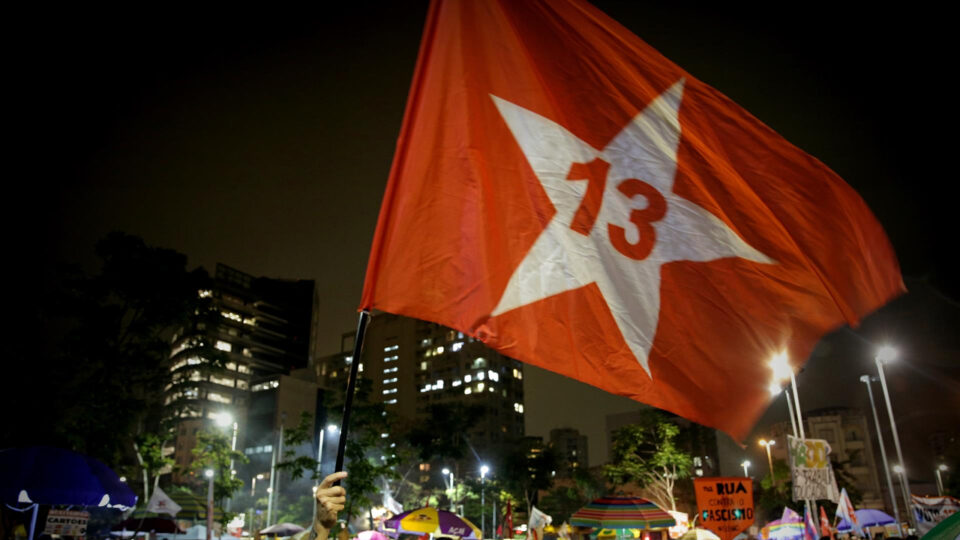
Campaigns for consumers to stop buying from certain brands, and for advertisers to withdraw funds from conservative outlets, have become an instrument of political pressure in Brazil. According to Gazeta do Povo, progressive sectors adopted this tactic during the Bolsonaro government, and the topic returned to the debate precisely when the left began to criticize boycotts against Lula voters.
In March 2020, a mobilization on social networks asked people to avoid brands whose owners supported the former president. Among the companies mentioned were Havan, by Luciano Hang, Riachuelo, by Flávio Rocha, Madero, Coco Bambu, Smart Fit and Bio Ritmo. CUT published a report about the movement on the networks.
The pressure also reached advertising. According to Gazeta do Povo, Sleeping Giants Brasil (SGB) charged advertisers to remove their ads from the newspaper. After Gazeta retained columnist Rodrigo Constantino, 13 advertisers left in a short period. Then, the group started targeting Jovem Pan and X, formerly Twitter.
Radio and TV associations have criticized the impact of these pressures on economic freedom, a point that directly affects the way the media sector finances itself.
Documents analyzed by Gazeta do Povo indicate that the SGB received around R$2.4 million in 2022 and 2023 from the Ford Foundation and the Open Society Foundations (George Soros). The entity does not appear as a recipient of public resources, and the information was presented by the newspaper as part of the records obtained.
In Davos, in 2023, the then Minister of Finance Haddad stated that he would not buy even a matchstick from a company without commitment to his political and personal agendas. Haddad also said that part of Brazilian consumers had already stopped buying from companies that supported the Bolsonaro government.
What changes for the investor
For those who invest and operate, the central point is reputational and commercial risk. Retailers, gyms and restaurants mentioned in consumer campaigns may see their image and sales affected, while media outlets depend on advertisers for a relevant part of their revenue, which leaves them sensitive to organized pressure. As the left itself, according to Gazeta do Povo, today criticizes boycotts that it previously promoted, the topic tends to remain a factor of attention for managers who monitor consumption and advertising. This text does not recommend the purchase or sale of any asset and does not project price behavior.
Automatically translated from Portuguese.