Lula's re-election weighs on the stock market, and the Villa Vie case and plans for the MEI shake up the week
According to Seu Dinheiro, the stock market had its worst performance since 2020 following the results of the polls, and Lula has new plans for the micro-entrepreneur.
BY THE X-TRADER NEWS NEWSROOM · REPORTING FROM SEU DINHEIRO · 2 MIN

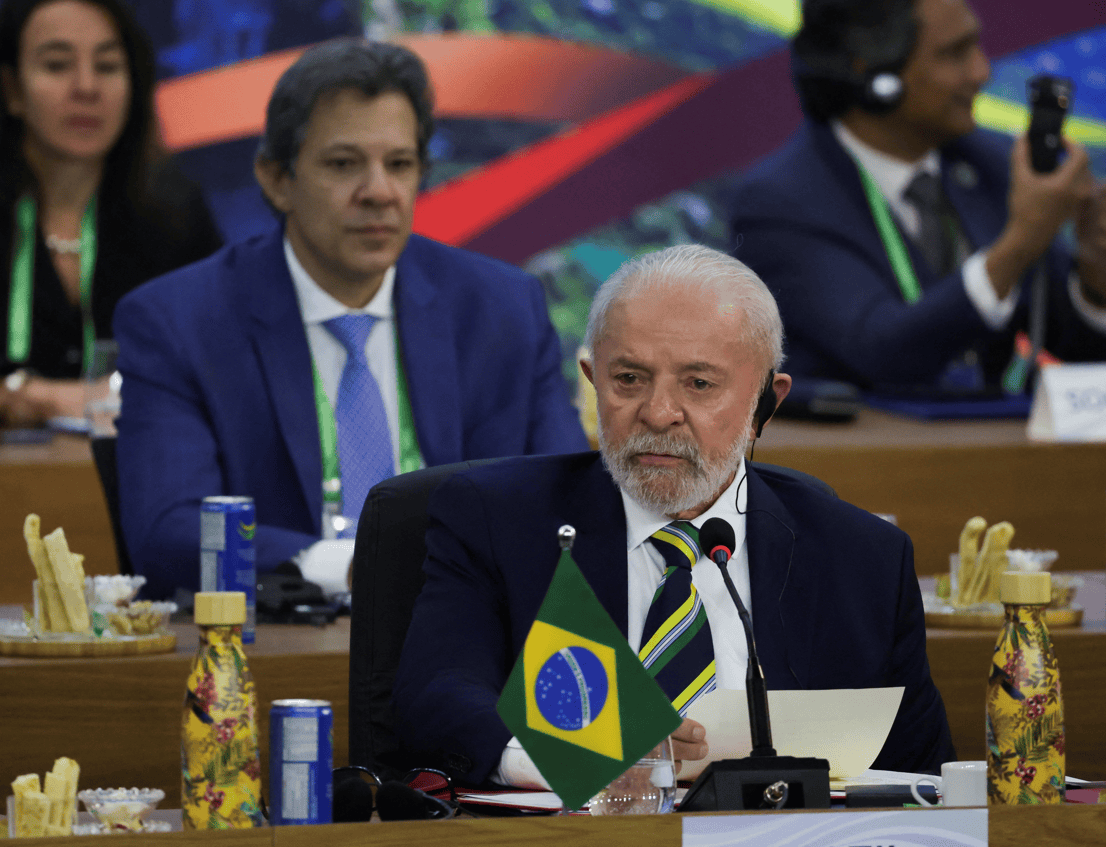
The re-election of Lula (PT) in the second round, confirmed on Sunday night (25), dominated the financial week and sent the stock market plummeting. According to Seu Dinheiro, investors penalized the market immediately after the poll results, and the stock exchange recorded its worst performance since 2020 during the week.
The movement draws attention because the reaction came at the same time that the country defined who will lead the government for the next few years. For the investor who operates with interest, dollars and the stock market, reading the result is less about the elected name and more about what the new mandate signals about public accounts and the predictability of the rules.
Outside of politics, the week had the Villa Vie case. According to Seu Dinheiro, the cruise promised a lifetime stay and ended with passengers abandoned, an episode that exposes the risk of promises of consumption without clear financial backing.
In the economic field, Seu Dinheiro also highlights Lula's new plans for individual microentrepreneurs (MEI). For those who defend fiscal responsibility, any new measure for this group of taxpayers needs to be evaluated by the cost it imposes on the accounts and the effect on the formalization of small businesses.
This week's list also raises the question of whether the elections can be annulled, in addition to a warning from JP Morgan to Banco do Brasil. Both themes deal with uncertainty, whether legal or about the performance of a major financial institution in the Brazilian market.
What changes for the investor
In the facts found, there is no confirmed development on asset prices, and this article does not make predictions or recommendations for buying or selling. What is observed is a market that reacted cautiously to the electoral result, waiting for signals about fiscal policy, the agenda for microentrepreneurs and the evaluation of a specific bank. As investors tend to be sensitive to uncertainties about public accounts, the next phase tends to be closely monitored by the market, especially in decisions involving spending and revenue.
Automatically translated from Portuguese.