Lula begins his 4th term with accounts under pressure and debt on the rise
According to Gazeta do Povo, 91.3% of primary expenditure in 2027 is already committed to mandatory spending, and gross debt could reach 100% of GDP in 2033.
BY THE X-TRADER NEWS NEWSROOM · REPORTING FROM GAZETA DO POVO · 2 MIN
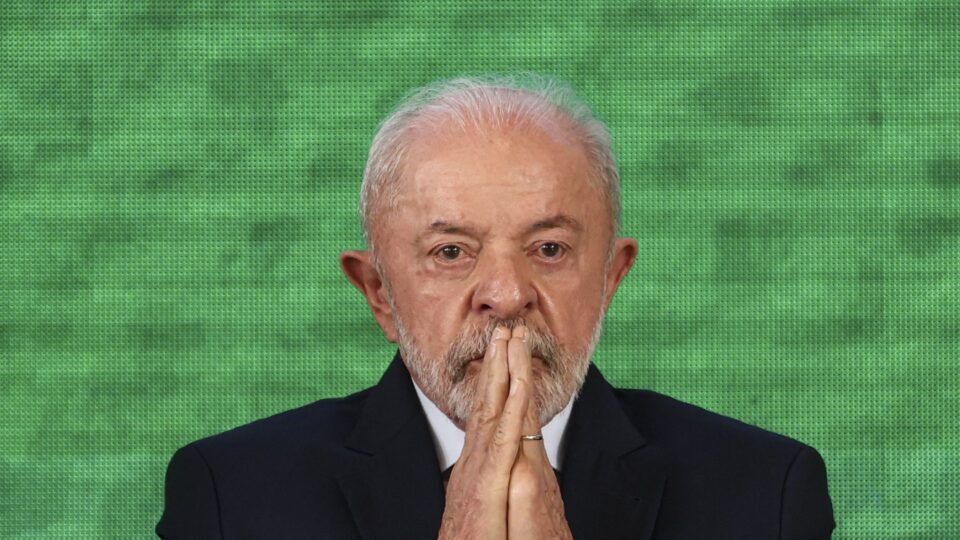
Re-elected in the second round, Lula begins a fourth term with a tight fiscal margin. According to Gazeta do Povo, which listed ten economic challenges for the new government, the first obstacle is in the Budget itself: 91.3% of primary expenses planned for 2027 are already committed to mandatory spending.
Debt is another point of attention. The report records that gross debt went from 71.7% of GDP at the end of 2022 to 82.9% of GDP in August 2026. According to the BC, based on market projections, it could reach 100% of GDP in 2033 if the current trajectory is maintained.
The cost of money is already heavy. Nominal public sector interest totaled R$1.18 trillion in the 12 months up to August, equivalent to 8.86% of GDP, according to BC data cited by the report. While the government forecasts a primary surplus, the market projection points to a deficit of around R$54 billion in 2027.
On the campaign side, the list of promises weighs heavily on cash. According to Gazeta do Povo, the adjustment of Bolsa Família, expansion of Nestlé, credit and debt renegotiation, benefits for micro-entrepreneurs and free public transport on weekends (the latter still as a proposal) have a billion-dollar impact on the Budget.
The economic scenario doesn't help either. The report describes signs of slowdown, high interest rates and inflation above target. If debt grows more than GDP, a larger share of the Budget will go to interest, leaving less space for investments and social policies, according to the analysis of the article.
Finally, there is a political dilemma. Cutting expenses requires reviewing expenses and confronting those who receive the benefits; Raising taxes meets resistance from companies and consumers.
What changes for the investor
For those who operate the stock market, Nasdaq, interest rates and the dollar, the central point is the fiscal trajectory. When the deficit persists and the debt increases over GDP, the market tends to demand a higher premium to finance the government, which usually puts pressure on long interest rates and can affect the exchange rate. If the government signals spending cuts and commitment to the Budget, the effect tends to be the opposite. If campaign measures advance without compensation, the fiscal risk gains weight in the prices. This reading is not a recommendation to buy or sell and does not project prices. It is important to monitor the definition of the 2027 Budget and the next interest and inflation data.
Automatically translated from Portuguese.