UFPA study questions measurement of rural poverty in the Amazon
Research released in October 2026 proposes a new methodology and points out that conventional indicators can overestimate poverty in the Amazon countryside, according to Exame.
BY THE X-TRADER NEWS NEWSROOM · REPORTING FROM EXAME · 2 MIN
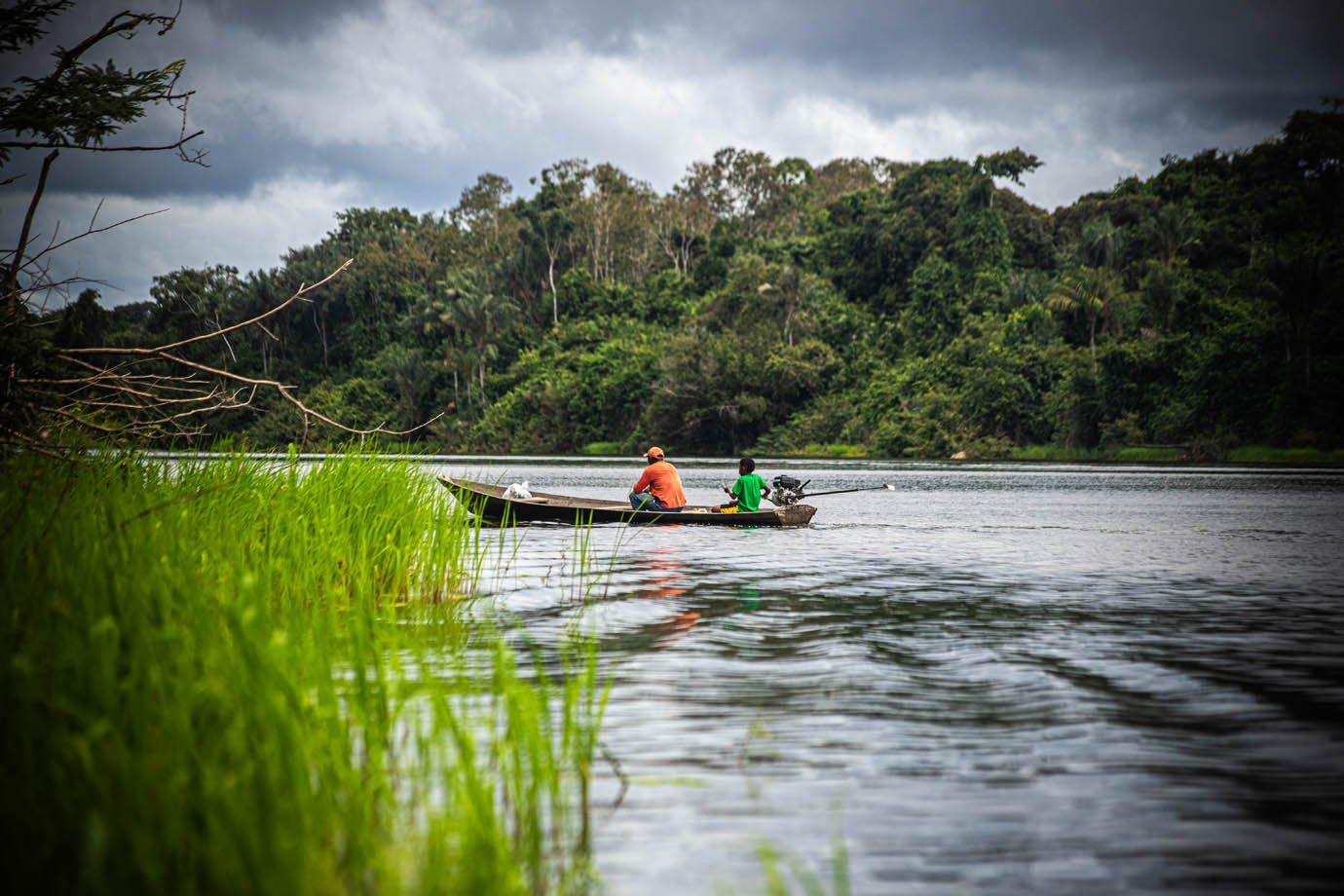
Researchers from the Federal University of Pará (UFPA) state that conventional poverty indicators may exaggerate the situation in rural Amazonia. The conclusion appears in a study released in October 2026, according to Exame, and reopens a debate that is usually restricted to technical reports, but which can guide where public authorities apply their resources.
According to the report, traditional metrics may overestimate rural poverty in the region. To test this hypothesis, the authors propose an alternative methodology, called IPM-Trajectories, which considers the differences between rural and urban ways of life. The premise is that an indicator designed for cities may not accurately capture the reality of those who live in the countryside.
Data from 2000 helps to size the difference. In that section, the conventional index was around 17% above the result obtained with the adapted methodology. In other words, the ruler most used today may indicate more needs than the researchers' proposal finds.
The difference is not just technical. Poverty indicators often serve as a reference for designing social programs and actions linked to the environment. If the measurement exaggerates the need, the diagnosis changes, and with it the choice of priorities.
The study has an explicit purpose: to guide public development and conservation policies. This combination gives weight to the debate, because the social and environmental agendas intersect in the Amazon, and an inaccurate reading of the local reality tends to affect both at the same time.
Still, it is worth separating what was presented from what depends on adoption. The published comparison uses data from 2000, and the proposal needs to be incorporated by those who formulate policies to become a practical reference. Until then, this is a methodological contribution under discussion, and not a change already in effect.
What changes for the investor
For the investor, the effect is indirect and medium-term. The study does not provide market figures or price projections, and the discussion takes place in the field of public policies. The point to monitor is whether the bodies responsible for development and conservation programs will start using this metric, as changes in the way poverty is measured can redirect spending and rules to the region. In theory, companies operating in the Amazon, in sectors such as agribusiness, logistics and energy, would be the first to feel a change of this type, if it advances. This is a regulatory signal to be monitored, not a buy or sell recommendation.
Automatically translated from Portuguese.