Wage protests in Bangladesh threaten deliveries from H&M, Zara and other brands
According to InfoMoney, based on Reuters, 679 garment factories have stopped production in Bangladesh as workers demand a minimum wage of 30,000 taka.
BY THE X-TRADER NEWS NEWSROOM · REPORTING FROM INFOMONEY · 2 MIN
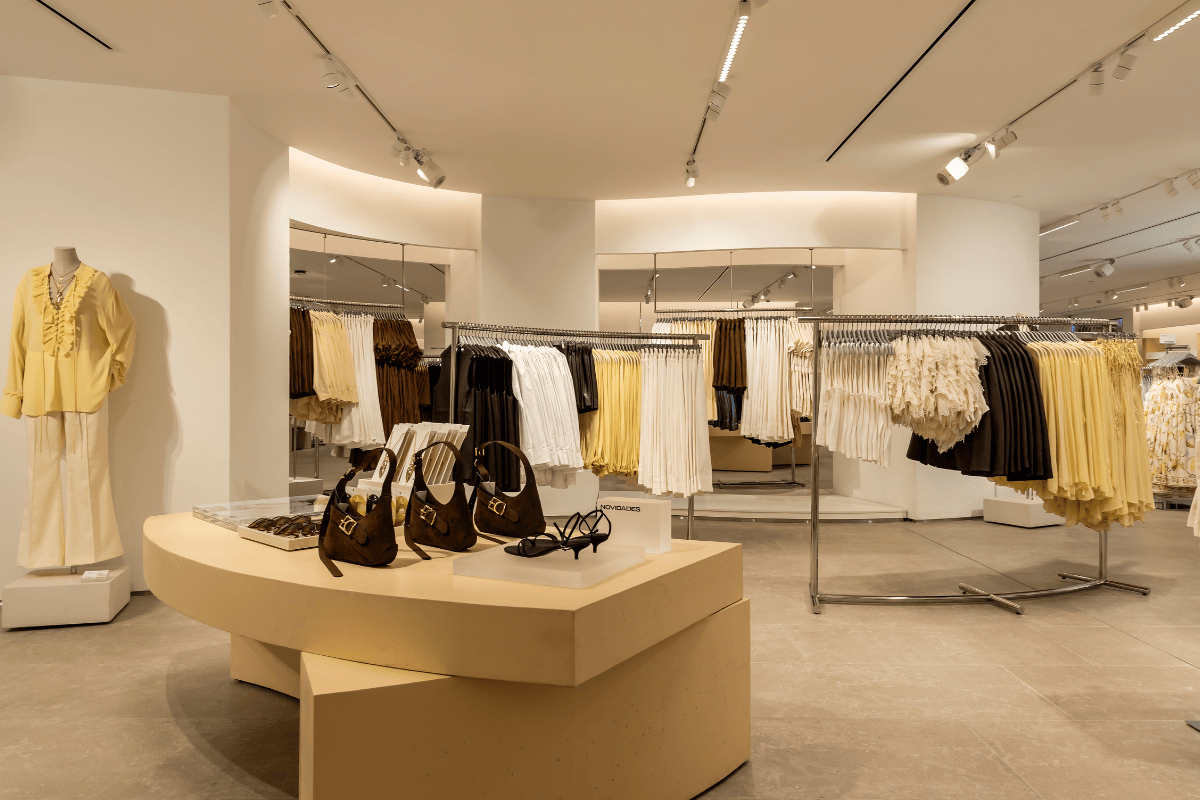
Wage protests at Bangladeshi garment factories have halted production at 679 units and raised alarm bells for the supply chains of major global retailers. According to a report by Ruma Paul, from Dhaka, published on November 2 and shared by InfoMoney, the problem quickly gained scale.
After a widespread shutdown on November 1st, factories resumed operations on Monday (2). Shortly afterwards, new clashes between workers and the police led hundreds of units to suspend production again, making the pace of normalization uncertain.
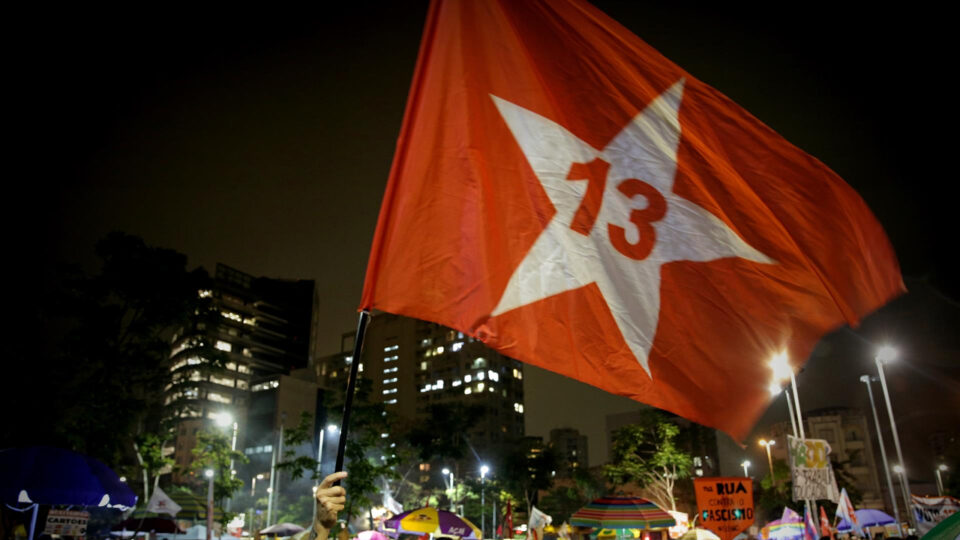
The disturbances were not restricted to assembly lines. According to the report, protesters blocked roads, vandalized factories and clashed with police in the country's main industrial districts.
At the center of the dispute is salary. Workers are asking for a monthly floor of 30,000 taka, equivalent to US$243, compared to the 12,500 taka in force today. The facts discovered so far do not include the position of employers or authorities on this request.
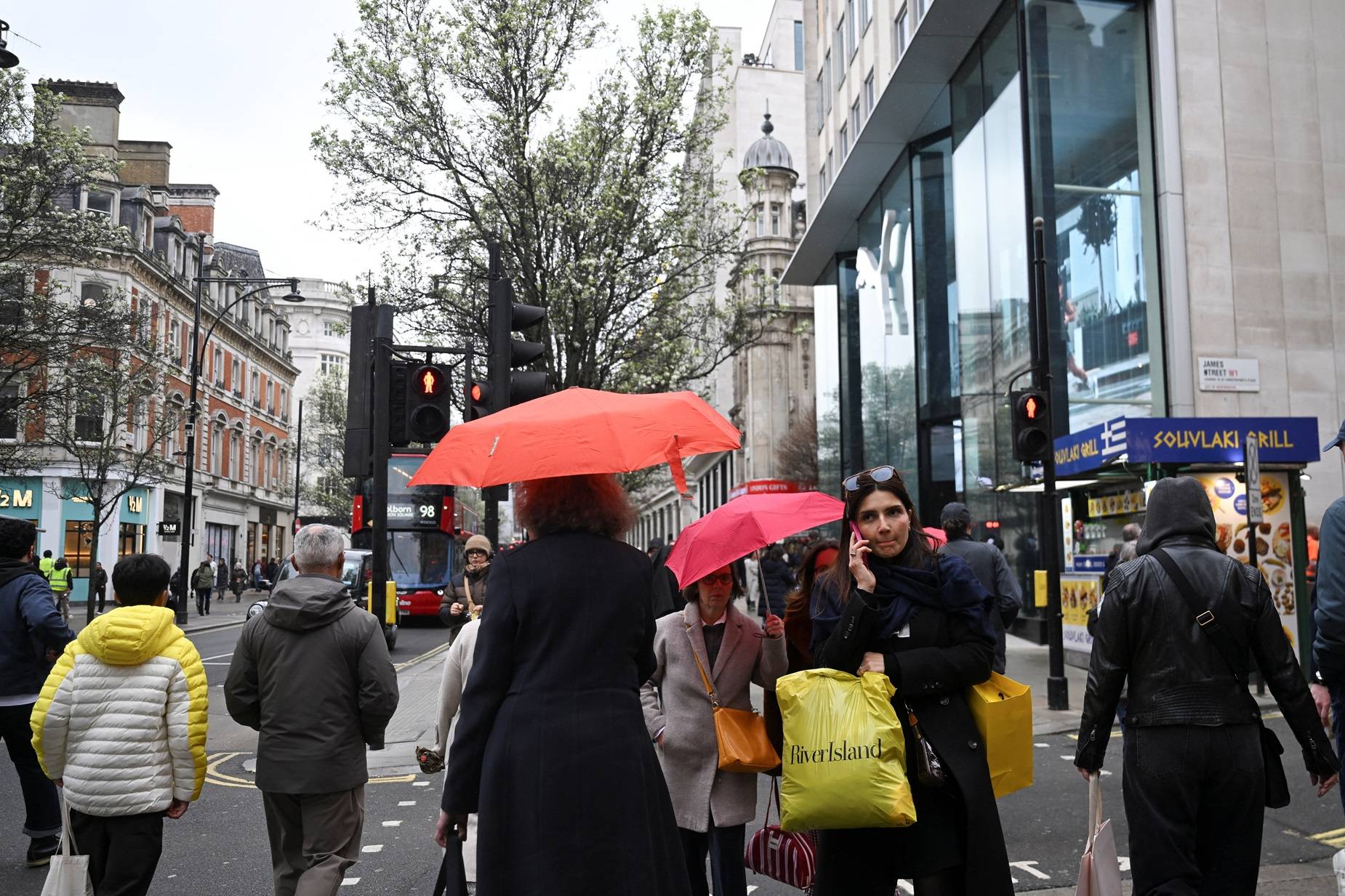
Bangladesh supplies clothing to H&M, Zara, Walmart and Primark. According to the report, the stoppage brings the risk of delays in shipments and loss of confidence among buyers precisely during the spring and summer export order period.
What changes for the investor
For those who follow H&M, Zara, Walmart and Primark, the central point is the season's delivery calendar. Delays in shipments and loss of confidence among buyers are the risks mentioned in the report, and their effects will depend on how long it takes for factories to return to production. The requested adjustment, if granted, would increase the cost of production at origin, a cost that each company will have to absorb or pass on. This article does not provide a purchase or sale recommendation. Monitoring new episodes and the response from factories and the government is what will define the size of the impact.
Automatically translated from Portuguese.