Arroba do boi approaches R$400 with high dollar, Chinese demand and fewer animals for slaughter
According to InfoMoney, cattle prices reach a record level driven by purchases from China, exports to the USA, a stronger dollar and a smaller supply of animals.
BY THE X-TRADER NEWS NEWSROOM · REPORTING FROM INFOMONEY · 2 MIN
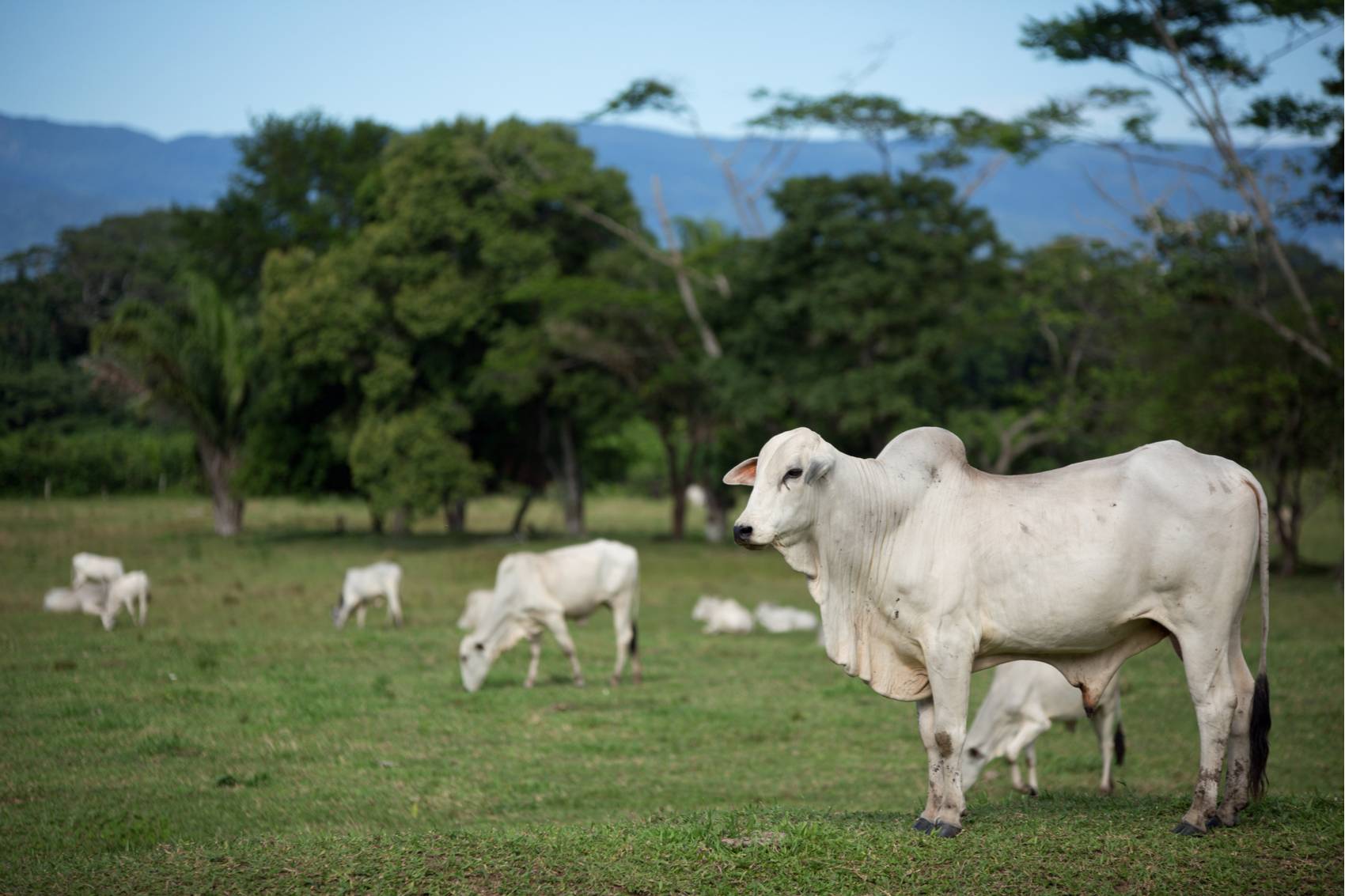
Fat cattle once again broke records. According to InfoMoney, based on data from Cepea, the arroba is close to R$400, a record level, and in São Paulo it has already been quoted at around R$390.
Year-to-date, the São Paulo arroba rose more than 20%, and a third of these gains came in October alone. The report, written by Roberto Samora, recalls that São Paulo square is the market reference for Brazil, a country that, according to the text, is the largest global producer and exporter of beef.
The diagnosis brings together four forces. The first is the resumption of purchases from China. The second is strong exports to the United States. The third is the smaller supply of animals ready for slaughter, a reflection of the livestock cycle. The fourth is the more valued dollar against the real, which makes foreign sales more attractive for those who produce.
What is at stake goes beyond the farm gate. When the arroba goes up, the cost reaches the butcher shop and the shelf, and the increase has a direct impact on those who consume meat. The equation is, therefore, between a heated external market and the domestic budget.
In the reading of this house, price is the signal that organizes production. The market responds to external demand and the dollar exchange rate, and the pace of this response depends on the herd cycle, not on intervention.
What changes for the investor
For those who operate or invest in companies in the sector, the central point is exposure to three variables: the price of the arroba, Chinese and American demand and the dollar exchange rate. A higher dollar can support the income in reais of those who export, while a more expensive arroba puts pressure on the margin of those who buy the animal for slaughter. As these variables do not always move in the same direction, reading needs to be done on a case-by-case basis. This article does not provide a purchase or sale recommendation or price projections. Monitoring Cepea numbers and export behavior is a good starting point.
Automatically translated from Portuguese.