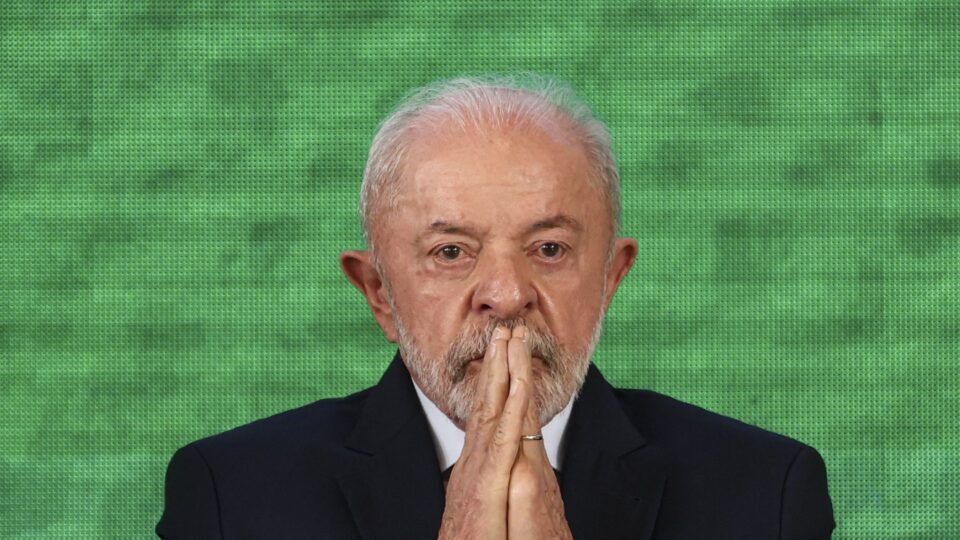
Rui Costa defends investment of up to 21% of GDP in Lula's fourth term
Elected senator and former minister of the Civil House cites logistics as a way to reduce costs and talks about rising beyond the current 17% of GDP.
BY THE X-TRADER NEWS NEWSROOM · REPORTING FROM INFOMONEY · 2 MIN
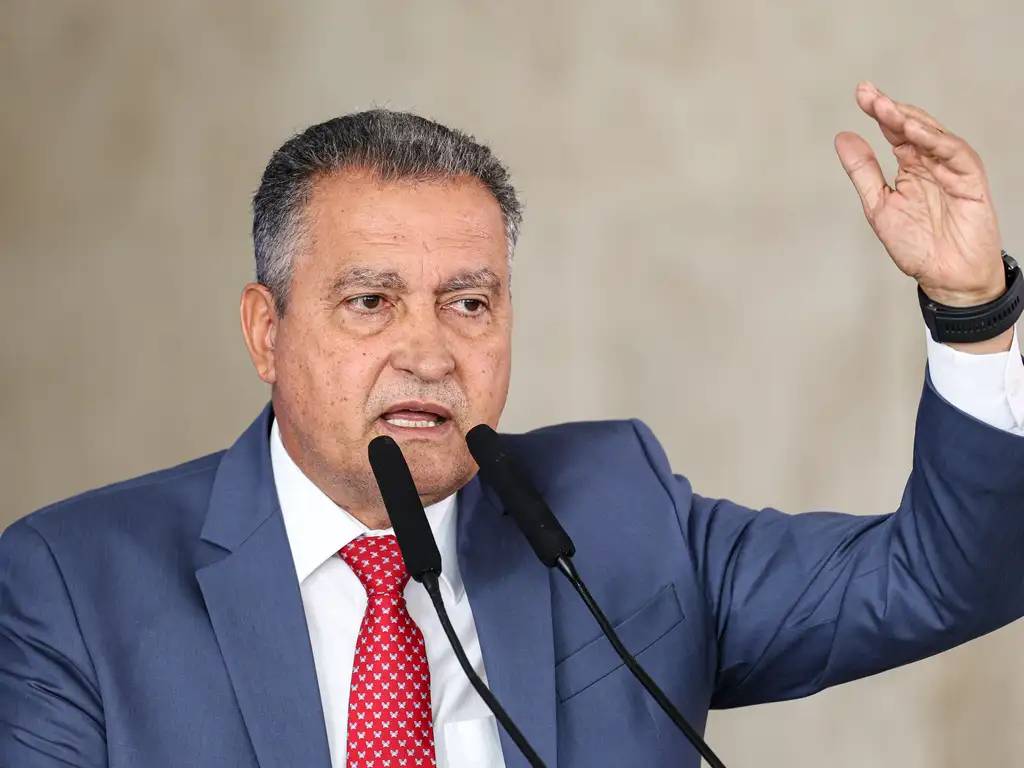
The Lula government should seek to increase the country's investment rate in its fourth term, and senator-elect Rui Costa (PT-BA) projects a target of 20% to 21% of GDP. The statement was made this Thursday (29), in an interview with Rádio Bandeirantes, according to InfoMoney. Rui Costa is a former minister of the Civil House.
According to the report, the current rate is 17% of GDP, which makes the target a proposal to move beyond this level. In practice, increasing the investment rate means increasing the share of national production destined for productive contributions.
Among the paths highlighted, Rui Costa highlighted improving logistics as a way to reduce production costs. The costs he mentions are industrial and agricultural, two sectors that weigh heavily on the budget of those who produce in the country.
What is at stake is the origin of the resources. The material collected does not detail how this goal would be financed, nor what portion would fall to the public sector and the private sector. The gap matters because the composition of the investment changes the effect on public accounts, interest rates and inflation.
From a liberal angle, the discussion is less about the number itself and more about the environment that makes it possible: stable rules, accounts in order and a cost of capital that does not depend on fiscal uncertainty. Sustainable investment arises from the confidence of those who risk capital, and not just from targets announced as a percentage of GDP.
What changes for the investor
For those who follow the stock market, interest rates and the dollar, the target signals that investment could gain weight on the next government's agenda, with possible effects on sectors linked to logistics and production. At the same time, an expansion in spending without a clear fiscal trajectory tends to put pressure on interest rates and exchange rates, which affects the cost of capital and the price of assets. This article does not provide a purchase or sale recommendation and does not provide quotations. It is up to the investor to monitor the concrete measures and the accounts that will support them.
Automatically translated from Portuguese.