After Lula's re-election, Ibovespa has the worst week since 2020 and the dollar soars
According to Times Brasil, the Ibovespa fell 18.12% in the week and the dollar rose 9.04%, with fiscal policy and the economic team at the center of concerns.
BY THE X-TRADER NEWS NEWSROOM · REPORTING FROM SEU DINHEIRO · 2 MIN

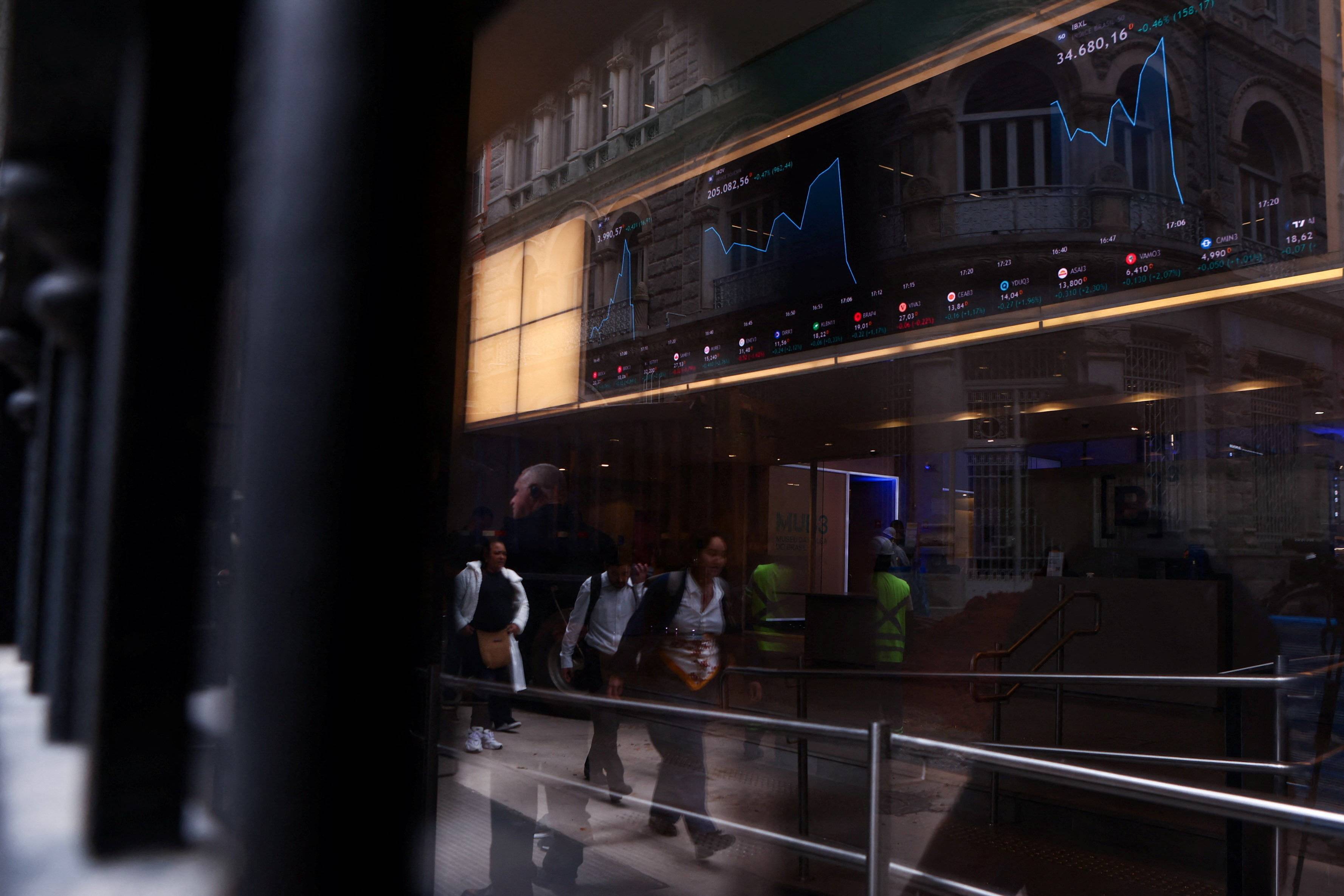
Lula's re-election for a fourth term opened the toughest week on the Brazilian Stock Exchange since March 2020. According to Seu Dinheiro, in the first trading session after the election the Ibovespa fell 17% intraday and closed down 13.88%, which triggered the circuit breaker, a mechanism activated when the index drops more than 10%.
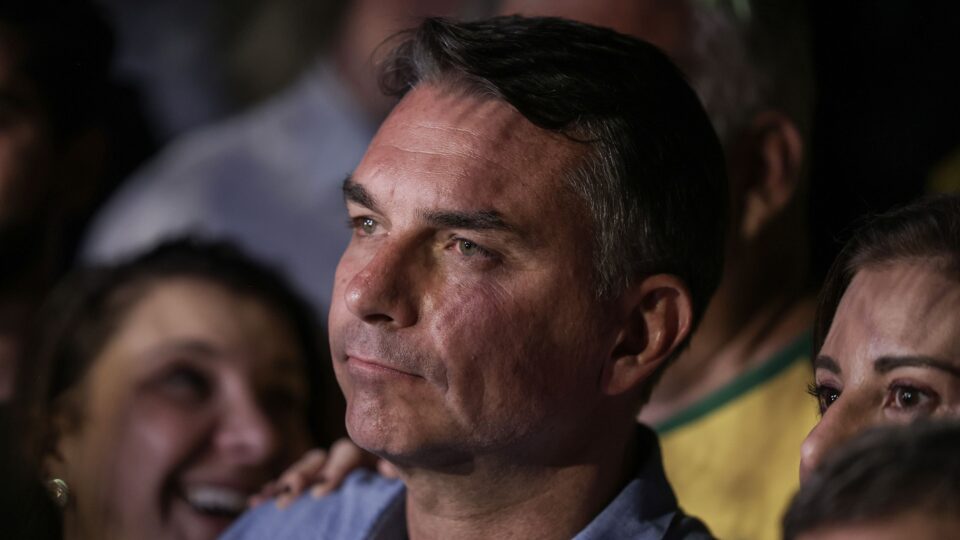
Lula won the second round, and Flávio Bolsonaro (PL), defeated, went to the United States, according to Revista Oeste. The result arrived after a month of October already marked by strong movement in assets.
According to Money Times, the dollar rose 5.20% in cash and 4.65% in PTAX throughout the month, the best performance among investments in the period. In the same period, the Ibovespa fell by almost 10%.
On Friday, October 30, Ibovespa dropped 0.75% and closed at 167,921.80 points, according to Times Brasil. In the accumulated result for the week, the drop was 18.12%, the worst since March 2020, while the dollar advanced 9.04%. The American currency closed at R$5.4443 in cash, up 1.05% on the day, and still accumulates a decline of 0.81% for the year. That Friday, Revista Oeste recorded the dollar rising and B3 falling in the early afternoon.
Times Brasil points to two factors for this movement: fiscal policy and the lack of definition of the next government's economic team. In the editorial reading of The X-Trader News, it is precisely these points that the market demands most, because clear tax rules and defined names reduce uncertainty about what lies ahead.
What changes for the investor
The combination of a more expensive dollar and a more pressured stock exchange indicates that the market has started to price in more uncertainty about public accounts and the conduct of the economy under the next government. For those who invest in shares and interest, the effect usually appears on two fronts: the sensitivity of companies to the domestic scenario and the exchange rate, which alters the reading of returns on assets linked to the dollar. This text does not recommend buying or selling anything and does not risk price projections. The central point is to monitor the definition of the economic team and the signals about fiscal policy, precisely the factors cited by Times Brasil.
Automatically translated from Portuguese.