Lula 4's fiscal adjustment comes up against agriculture and the resistance of the government's own base
Less than a week after the re-election, the government discusses limits for accounts, Moody's sees Selic high for longer and agribusiness enters the target of taxes.
BY THE X-TRADER NEWS NEWSROOM · REPORTING FROM MONEY TIMES · 3 MIN
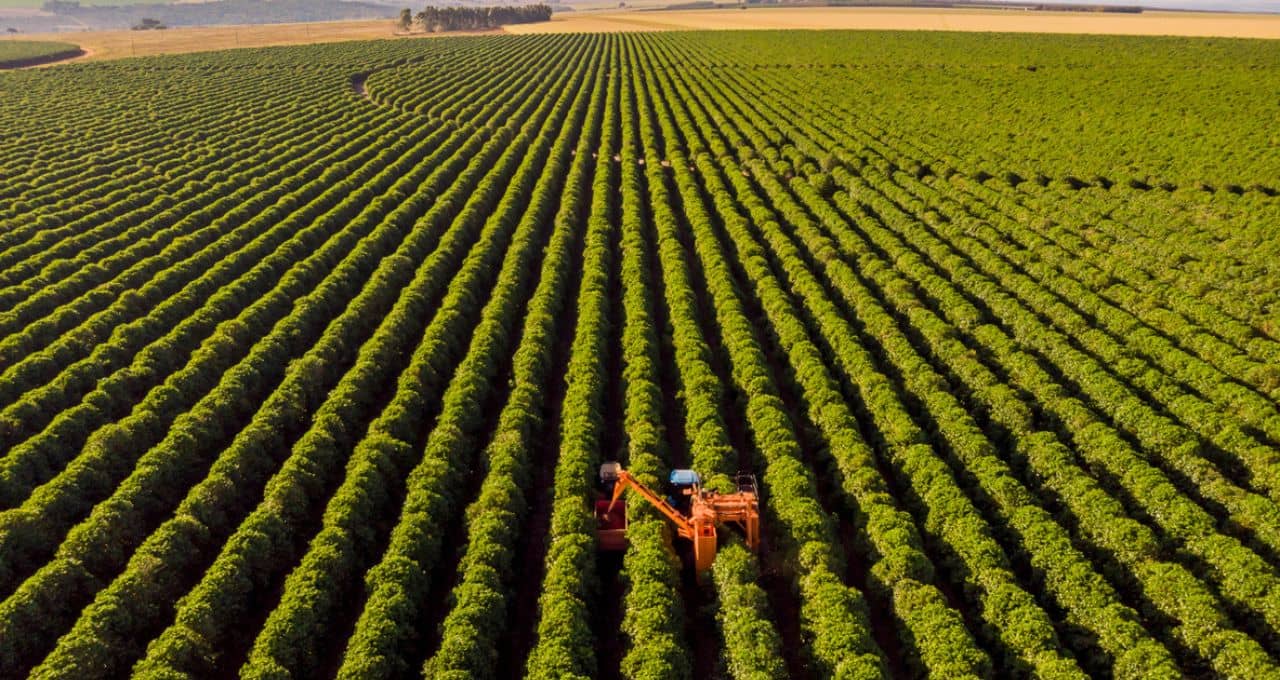
Less than a week after Lula's re-election in the second round, the government and the PT are already drawing the limits of a fiscal adjustment for the fourth term, according to Money Times. The discussion takes on a sensitive aspect because it involves agribusiness, a sector that is expected to harvest a super harvest and that already appears as a possible target for new taxes.
A column from Money Times itself recalls that Conab estimates a 2026/27 super harvest of around 367 million tons of grains. In the same text, the columnist states that the government is already moving to increase taxes on producers, with agriculture cited as a target. The clash between the expansion of production and the search for revenue is at the center of the debate.
Statements within the government do not converge. According to Money Times, minister José Guimarães said, two days after the turnaround, that the fiscal adjustment had not been discussed nor is it being discussed. Minister Guilherme Boulos, from the General Secretariat, defended on social media, on Thursday, an adjustment made only by cutting parliamentary amendments and tax benefits. The same coverage points to resistance from the government's own base to contain the increase in public debt.
Outside, Moody's lights up an alert. According to Exame, the agency assesses that the Selic rate should remain high for longer if the Lula government does not move forward with fiscal adjustment. The projection is for the continuity of the current economic policy in the fourth term, with gradual changes in public accounts.
Without reforms, Moody's sees the risk of public debt rising, investments coming under pressure and economic growth being hampered, according to Exame. The picture paints a dilemma: cutting amendments and tax benefits, as Boulos argues, or raising taxes on agriculture, as the column indicates, produce different effects on the economy.
What changes for the investor
For those who follow the stock market, interest rates and the dollar, the scenario combines two variables. High interest rates for longer periods of time, a scenario that Moody's associates with the absence of adjustment, keep the cost of credit high and tend to weigh on shares, especially those of more indebted companies. An increase in taxes on agriculture would reduce the margin of producers and companies in the chain, and the final design of this measure does not yet appear in the sources consulted. It is worth following the statements made by the economic team and the form any proposal takes, as they are the ones who will determine the size of the impact.
Automatically translated from Portuguese.