Election Day: Prediction markets may overstate confidence on Democratic-friendly night
According to MarketWatch, an analyst warns that prediction markets may reflect overconfidence in Democrats.
BY THE X-TRADER NEWS NEWSROOM · REPORTING FROM MARKETWATCH · 2 MIN
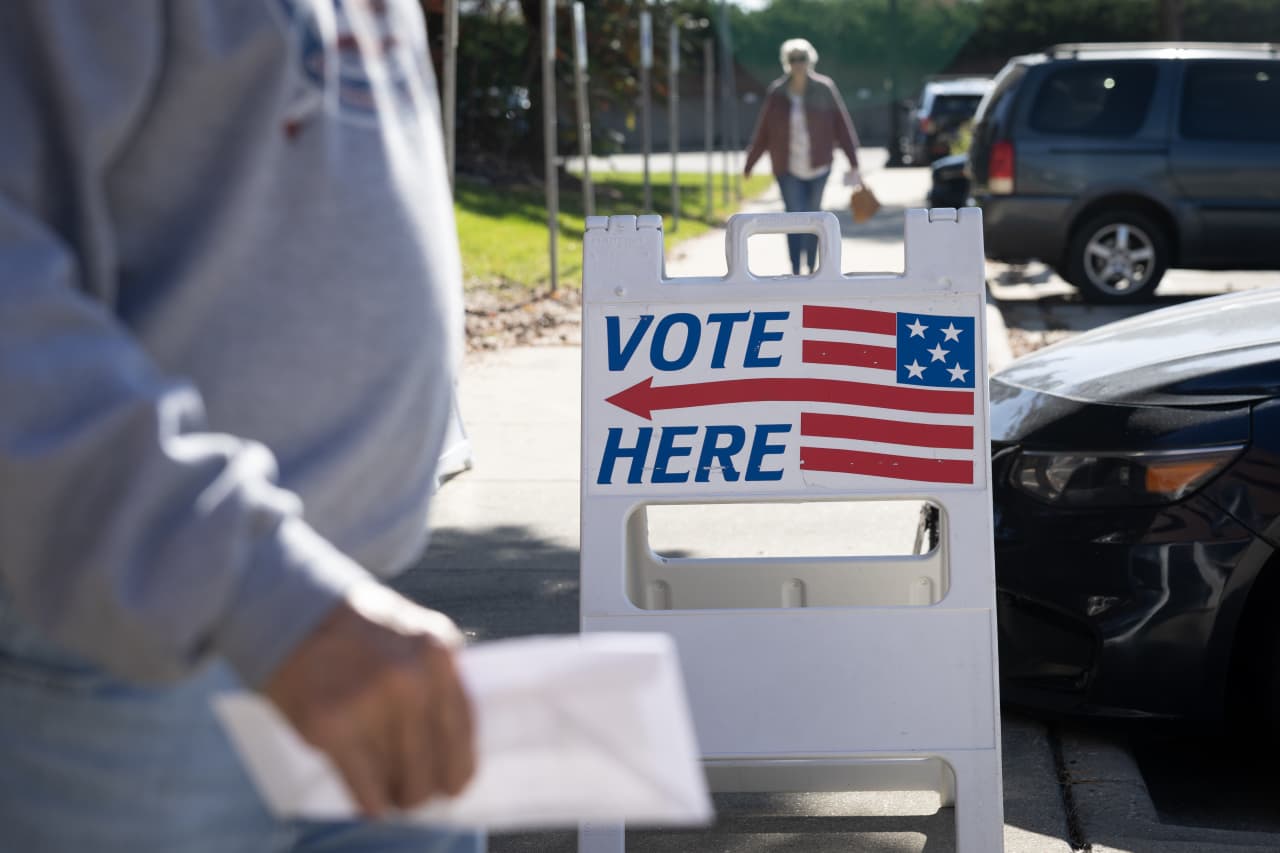
Voting day has arrived, and those who follow the financial news turn their attention to an unusual thermometer: prediction markets. According to MarketWatch, coverage of this date revolves around these markets, which are now read as a portrait of what participants expect from the result.
The report brings the warning of an analyst, whose name does not appear in the published excerpt. For him, prediction markets may indicate “a lot of confidence in a good night for the Democrats”, an expression that the vehicle itself used as a call. The message is that an overly optimistic price could be a misleading reading of the scenario.
The central point is the distance between what a market suggests and what the polls actually show. When many participants align themselves with the same outcome, the signal loses strength as an independent measure, and the article itself treats this risk as overconfidence.
The available material is short. It does not inform the exact date, country, position in dispute or numbers of odds, which prevents measuring the volume of bets or the difference between the scenarios. Any reading beyond the analyst's warning would be speculation.
For those who invest and operate, the lesson is one of method. A prediction market is more data on the table, not a verdict on the outcome, and it is worth checking other sources before drawing conclusions.
What changes for the investor
The warning reminds us that the probability implied in a prediction market does not guarantee anything and that overconfidence is a known risk for those who trade. In practice, investors can use these markets as a sentiment thermometer, without taking them as a basis for decisions on the stock market, interest rates or the dollar. The material collected does not provide any indication of how prices would react to the result, and this article does not make this projection.
Automatically translated from Portuguese.