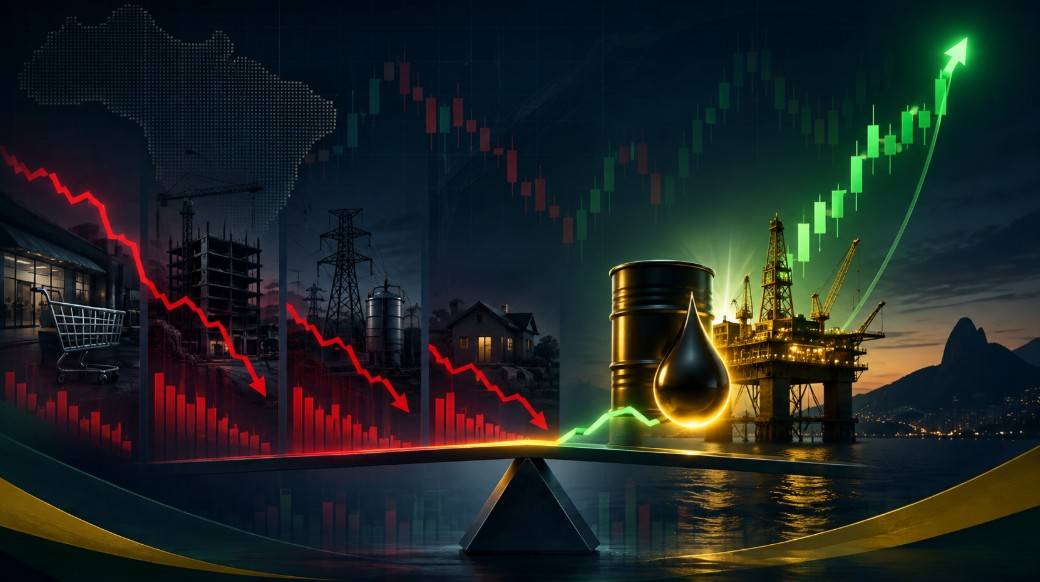
Goldman Sachs sees oil averaging $130 per barrel next year
According to MarketWatch, the bank values an average of US$130 and Brent of up to US$140 per barrel, a scenario conditioned by tensions in the Middle East.
BY THE X-TRADER NEWS NEWSROOM · REPORTING FROM MARKETWATCH · 2 MIN

An oil scenario at US$130 per barrel on average next year has entered the radar of those who follow commodities. According to MarketWatch, Goldman Sachs estimates that oil prices could reach this average over the period, and its analysts are already talking about Brent reaching US$140 per barrel.
The higher number appears conditional on a worsening of tensions in the Middle East. In other words, the extreme projection depends on a geopolitical event and is not presented as a certain result. This distinction matters for those who read headlines about the barrel and need to separate the base scenario from the stress scenario.
This report is based only on published projections: the average of US$130, the ceiling of US$140 and the geopolitical condition. In the available data, there is no additional detail on the supply and demand assumptions behind the numbers.
For the Brazilian investor, oil enters the calculation through known paths. Energy prices put pressure on inflation, inflation influences the path of interest rates and, consequently, the exchange rate and the value of shares. Companies linked to the oil chain also react directly to variations in the barrel.
In the view of those who defend fiscal responsibility and free markets, the energy debate goes beyond the price of a barrel. Shocks of this size transfer costs to families and companies and make the predictability of rules and public accounts more valuable.
What changes for the investor
If the average of US$130 is confirmed, the effect tends to be felt more in sectors sensitive to energy costs and in oil producing companies, which tend to benefit from higher prices for the commodity. An increase that takes Brent to US$140 would depend on geopolitical tension, a scenario that creates more uncertainty and tends to increase the volatility of risky assets. None of this is an indication of buying or selling, and the report does not provide asset price forecasts. Monitoring geopolitical factors and inflation remains the way to decide judiciously.
Automatically translated from Portuguese.