Industry continues to fall in October and companies point out the effects of the elections
The industrial PMI for October was 46.1, below the 50-point mark, but above September's 44.8, while companies cite the effects of the elections.
BY THE X-TRADER NEWS NEWSROOM · REPORTING FROM INFOMONEY · 2 MIN
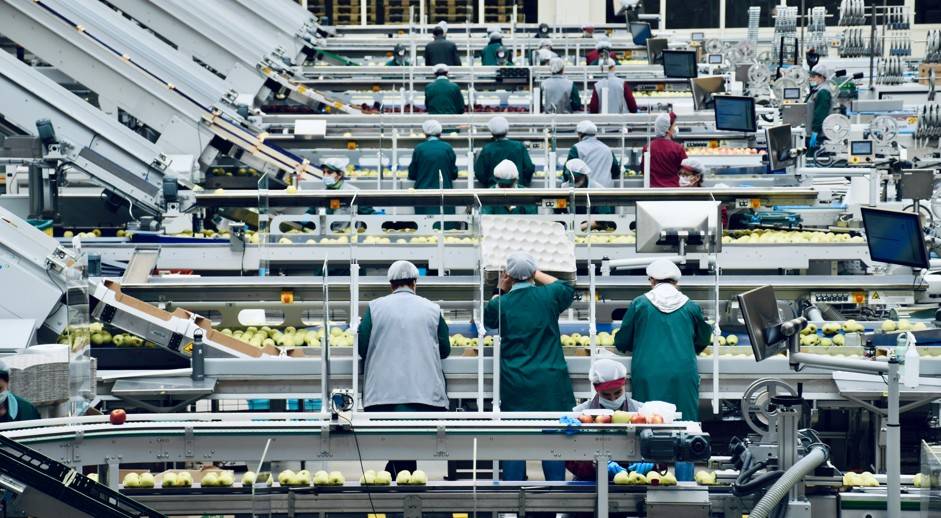
Brazilian industry continued to decline in October, according to the Purchasing Managers Index (PMI), released on November 3 in Brasília. The survey, compiled by S&P Global, scored 46.1 points, below the 50 mark that separates contraction from growth.
The number, however, brings a sign of relief compared to the previous month. In September, the index stood at 44.8, which indicates that the downturn has lost strength, although the sector is still shrinking. According to InfoMoney, based on a Reuters investigation, the fall was milder than in September, but continued.
The most sensitive components of the indicator show a less favorable picture. According to the same investigation, in October production and new industrial orders fell sharply, two variables that signal the pace of factories in the short term.
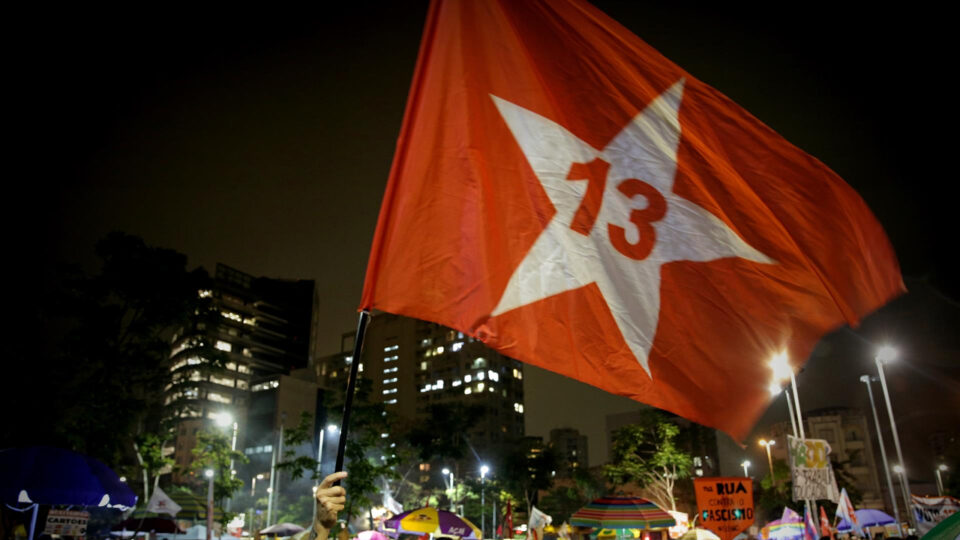
The point that caught the most attention was the explanation given by the companies themselves. According to InfoMoney, companies cited disruptions linked to the elections as a factor that hindered the operation, without the report detailing, in the sections investigated, what these impacts were.
What is at stake is knowing how much of the weakness is temporary and how much reflects political uncertainty that could postpone investments. In this newspaper's view, predictable tax rules and a stable business environment are the best antidote to this type of noise, because they reduce the cost of planning production and hiring.
What changes for the investor
A PMI below 50 indicates that the industry is still shrinking, and this weighs on companies producing industrial goods, inputs and chains linked to production. The October reading does not confirm a recovery, but the slowdown in the decline and the mention of electoral factors make the next surveys decisive in knowing whether activity is actually losing steam or just going through a period of noise. In the short term, political uncertainty is usually reflected in risky assets and the exchange rate, and investors who follow interest rates and the dollar should observe how these two movements combine with the industry's trajectory. This reading describes possible effects and is not a recommendation to buy or sell, nor a price forecast.
Automatically translated from Portuguese.