Microsoft consulted employees about the acquisition and, two days later, revealed US$45.2 billion in capex
According to MarketWatch, the company heard from more than a quarter of its workforce before reporting $45.2 billion in capex for the quarter, most of it focused on AI.
BY THE X-TRADER NEWS NEWSROOM · REPORTING FROM MARKETWATCH · 2 MIN
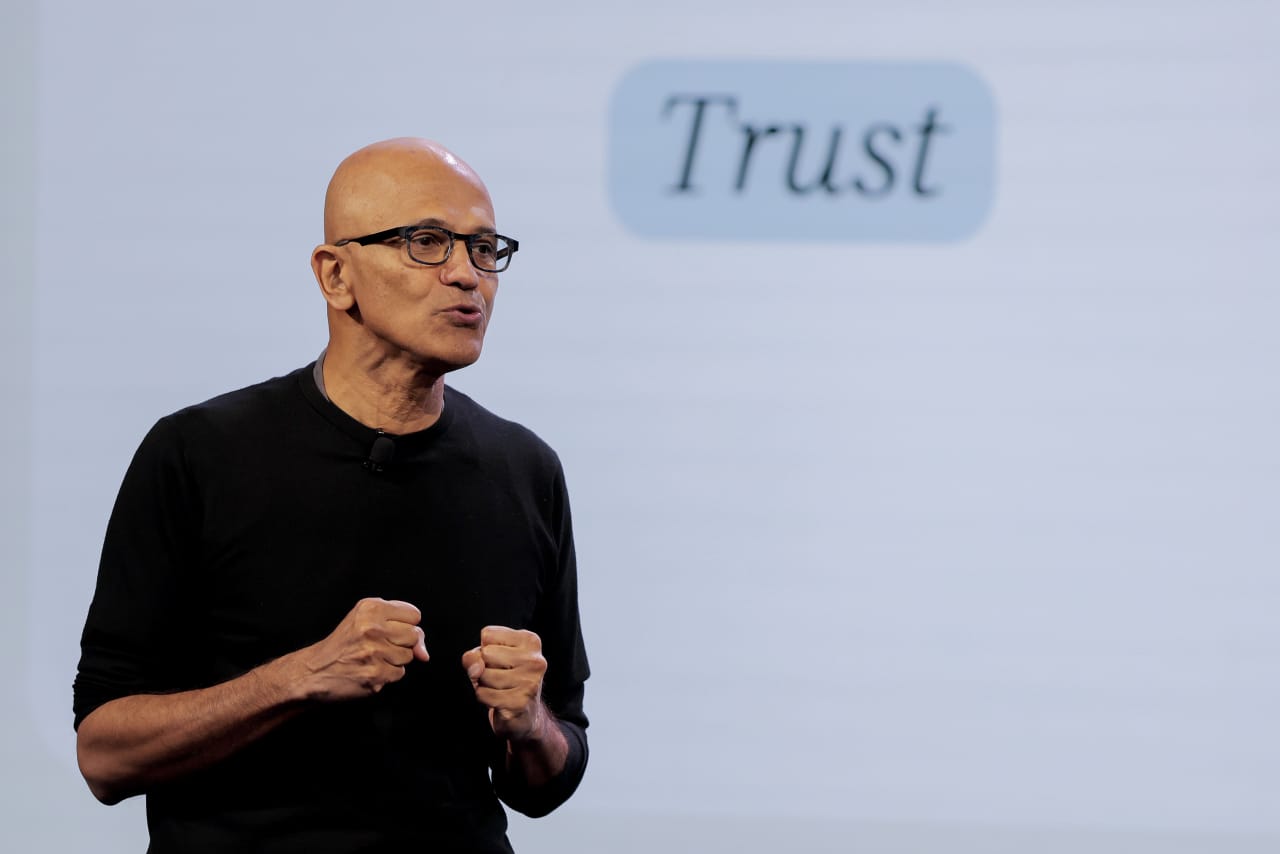
Microsoft asked more than a quarter of its workers if they would accept an acquisition, according to MarketWatch. The title of the report refers to 60,000 employees in the company's case, but the material collected does not detail the operation or the outcome of the consultation.
MarketWatch also presents five questions for anyone who receives an offer of this type from their management. The content of these questions does not appear in the extract consulted, which is why this report does not reproduce them.
The calendar of events draws attention. Two days after the employee consultation, the company reported US$45.2 billion in capex in a single quarter. Capex is spending on long-term assets, such as equipment, data centers and infrastructure. According to the vehicle, most of this amount was allocated to artificial intelligence.
What is at stake is the relationship between people management and capital expansion. The company asks its employees about an operation while sustaining a cycle of large-scale AI investments. The report does not say whether the consultation preceded a formal decision.
What changes for the investor
For those who follow technology stocks, the data that weighs most is the size of capex. Spending US$45.2 billion in one quarter, focused on AI, is often read by the market as a long-term bet, the return of which depends on the ability to transform infrastructure into revenue. This does not allow predicting the behavior of the shares. Still, it is worth observing how the company relates these investments to future results and how it communicates spending discipline, points that fiscal responsibility places at the center of the analysis.
Automatically translated from Portuguese.