Morgan Stanley sees excessive selling in Bradesco after 37% drop since the second round
Bank maintains overweight recommendation for ADR BBD, but reduces target price from US$5.50 to US$4.75 amid a more challenging macro scenario.
BY THE X-TRADER NEWS NEWSROOM · REPORTING FROM INFOMONEY · 2 MIN
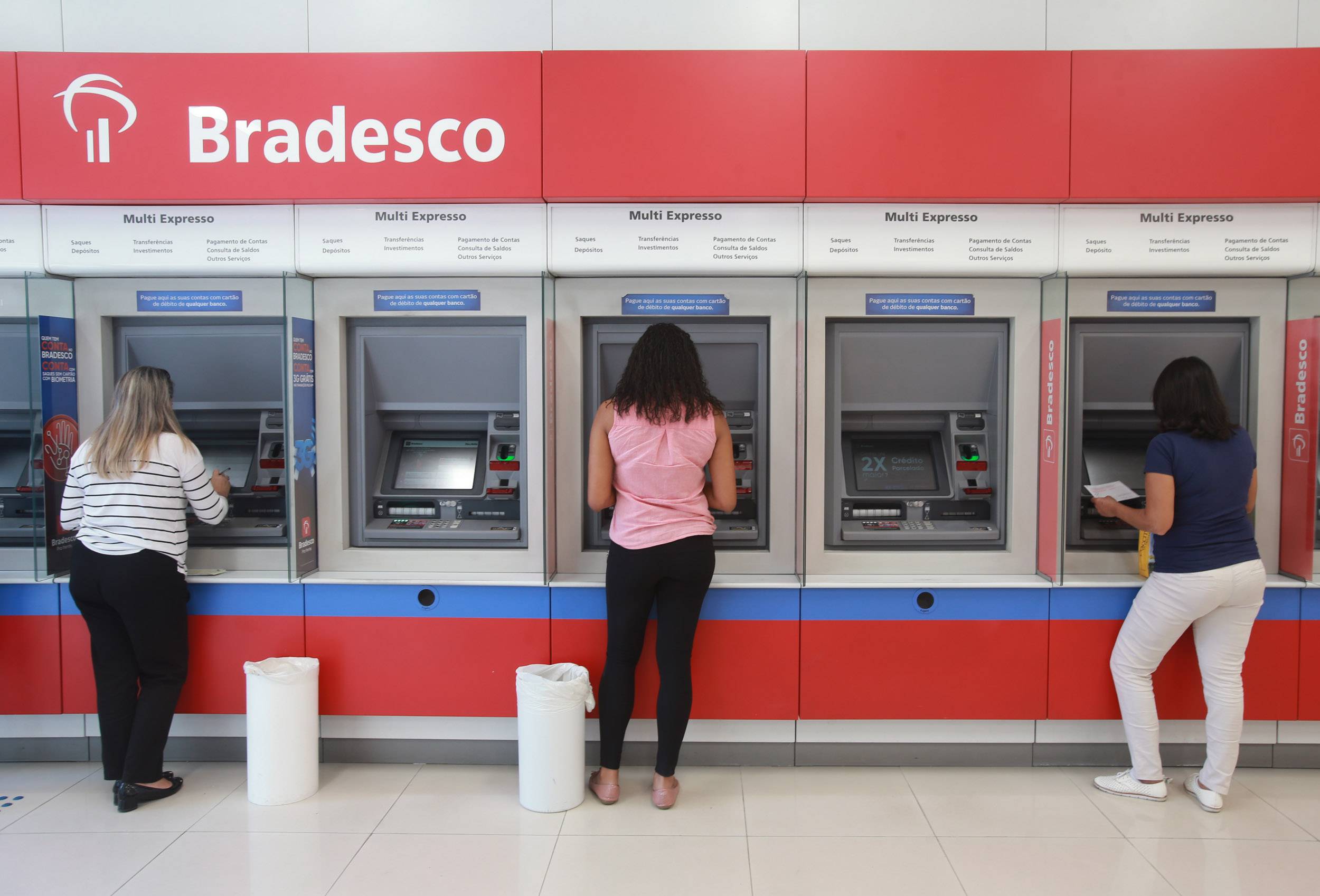
Morgan Stanley assesses that the market oversold Bradesco after the presidential election and reiterated the overweight recommendation for ADR BBD, according to InfoMoney. The position comes at a time when the bank's shares have accumulated a strong devaluation.
According to the report, Bradesco shares (BBDC4 on B3 and BBD in the United States) have fallen 37% since the second round. The InfoMoney headline highlights that the analysis comes after several cuts, which shows that the assessment of the stock was already being revised by analysts.
The central point of the report is the target price. Morgan Stanley lowered its forecast for ADR BBD from $5.50 to $4.75. This value represents an increase of 85% over the last close of the stock, which makes clear the distance between the current price and the bank's assessment.
The bank also cites a more challenging macroeconomic environment for Brazilian banks. This is the main counterpoint to the thesis that the sale was exaggerated: even maintaining the positive recommendation, Morgan Stanley recognizes factors in the scenario that weigh on the sector.
The report was released in the same week as the publication of the report, which puts it on the radar of those who follow the financial sector at the moment.
What changes for the investor
For those who invest in Bradesco, the document works as a thermometer of how part of the market views the stock after the election. On one side is the thesis that the fall was beyond reasonable; on the other, caution with the macro scenario. Brokerage reports express an opinion and do not replace each investor's analysis, and the difference between the quotation and the target price does not indicate a deadline or guarantee movement. It is worth monitoring whether the macro environment improves or worsens, as it is one of the factors that the bank itself highlights.
Automatically translated from Portuguese.