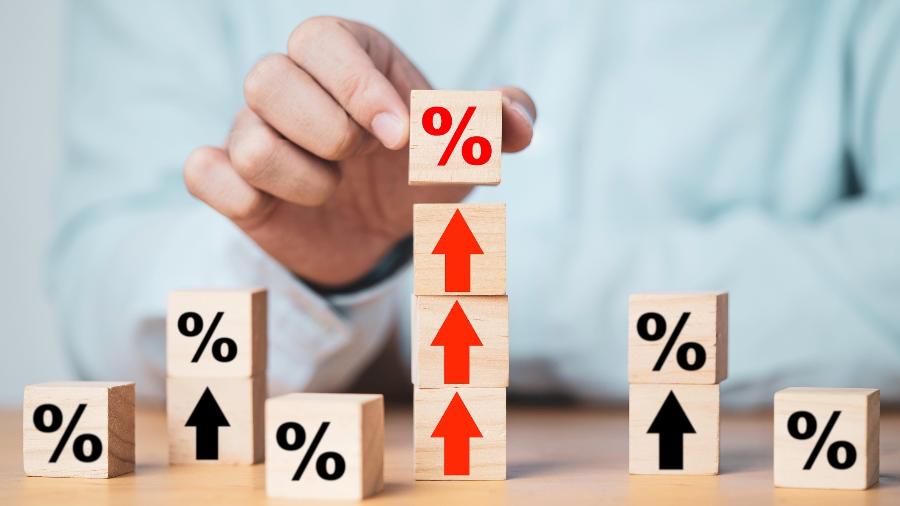
Trump accuses the Fed of not cutting interest rates so as not to benefit him and highlights GDP of 3.4% in the USA
According to Times Brasil, the American president criticized Fed officials at a rally and pointed to economic growth above projections.
BY THE X-TRADER NEWS NEWSROOM · REPORTING FROM TIMES BRASIL · 2 MIN

Donald Trump once again attacked the Federal Reserve (Fed) and stated that the institution does not reduce interest rates because such a measure would benefit him politically. According to Times Brasil, the statement was made at a rally in South Carolina, on Thursday (29), and came together with the defense of the performance of the American economy.
The same report records that Trump criticized Fed officials during the event. The speech places the central bank at the center of a public dispute that, in general, tends to be treated with distance by the markets, precisely because the independence of the monetary authority is one of the pillars of predictability for investors.
The data that supports the speech is the US Gross Domestic Product (GDP) in the third quarter, in the first reading, which showed an expansion of 3.4%. According to Times Brasil, the Broadcast survey, by Grupo Estado, indicated an expectation of 3.2%, which leaves the result 0.2 percentage points higher than expected.
What is at stake is the reading of the interest rate decision. Higher-than-expected growth, in theory, reduces the urgency for cuts, as activity does not seem to need additional stimulus. When this economic analysis is mixed with political demands for cuts, the question becomes whether the next decision will be taken based on technical criteria or under pressure.
For a liberal editorial line, the credibility of an independent central bank and the fiscal responsibility of a government are two sides of the same problem: the more interest becomes an electoral instrument, the greater the uncertainty that the investor needs to price.
What changes for the investor
For those who operate the stock market, Nasdaq, interest rates and the dollar, the point of attention is the combination of strong data and political pressure on the Fed. If activity continues to be heated, the institution's cautious stance tends to weigh on interest rate expectations, and this movement usually appears first in long interest rates and exchange rates. Signs that the Fed's autonomy is in question could increase the volatility of risky assets. None of this is a price prediction: the moment calls for following the Fed's next decisions and inflation and employment data before any movement in the portfolio.
Automatically translated from Portuguese.