Consumer boycott: how the economic pressure tool under debate works
According to Revista Oeste, the practice combines voluntary refusal to purchase with economic, political, social or moral objectives.
BY THE X-TRADER NEWS NEWSROOM · REPORTING FROM REVISTA OESTE · 2 MIN

Revista Oeste placed a direct question at the center of a text about consumption: is it right to boycott?
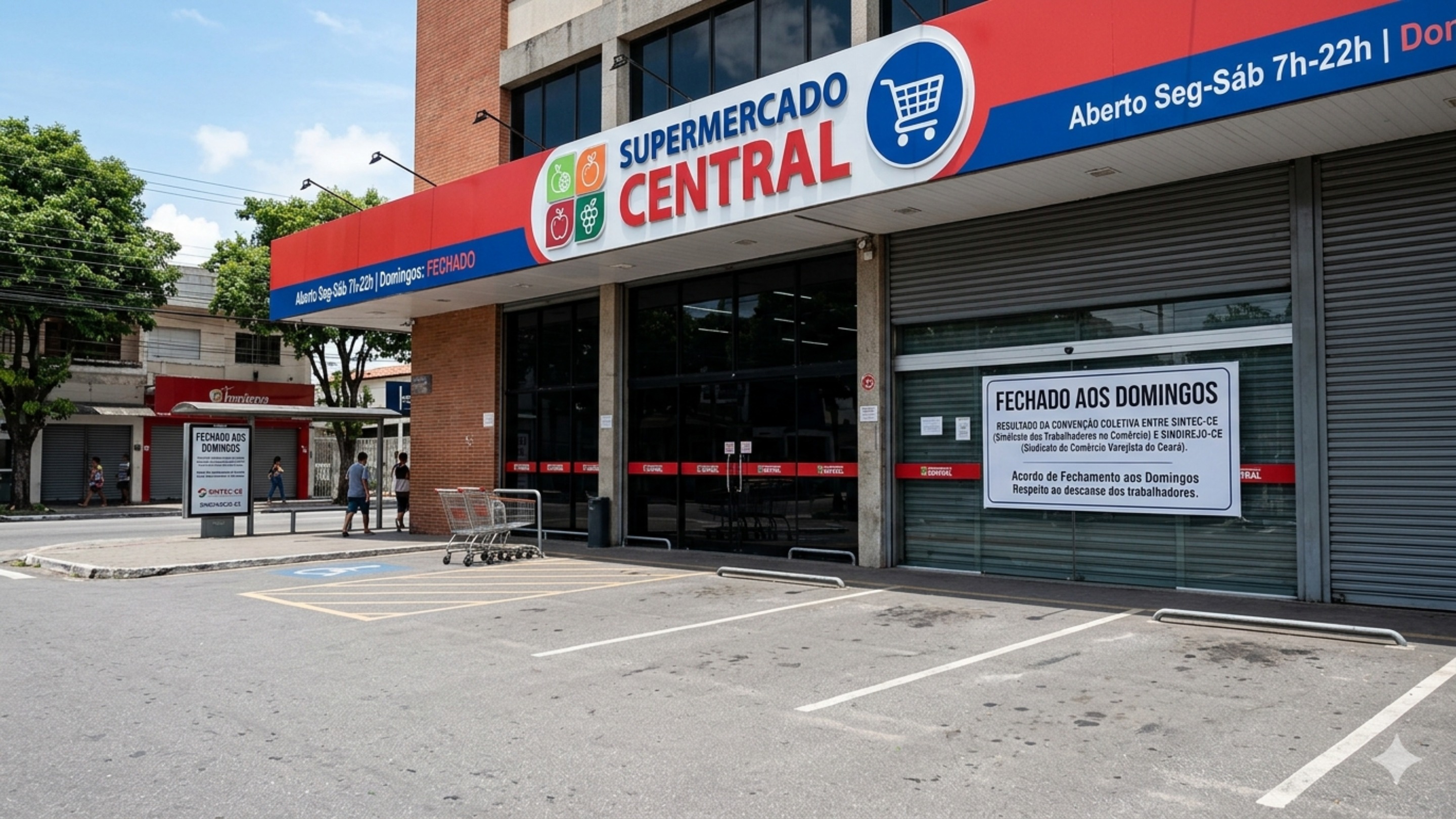
According to the publication, a consumer boycott is a deliberate, individual or collective action, which consists of voluntarily suspending or refusing commercial relations. Targets can be companies, brands, products or organizations.
The reasons, according to the magazine, can be economic, political, social or moral. Among the purposes mentioned are economic pressure, changing institutional behavior and expressing disapproval of practices, decisions or positions.
The central point of the debate is the scope of a private choice. From a liberal angle, those who stop buying exercise the same right that guides any purchase, that of deciding where to invest their own money. The issue gains strength when the refusal becomes collective and starts to weigh on a company's sales.
By defining the concept without answering the question itself, the text leaves the moral evaluation to the reader. The space for individual judgment remains open.
What changes for the investor
For those who invest and operate, the interest is in the pressure channel. A boycott that affects the revenue of a listed company can affect margins and result expectations, but this depends on the strength and duration of the campaign, and the report does not provide data on concrete cases. This analysis is not a recommendation to buy or sell and does not predict prices. Monitoring communications and results from companies exposed to consumer campaigns helps separate noise from real impact.
Automatically translated from Portuguese.