After Lula's turnaround, government says fiscal adjustment is not under discussion
The president's environment outlines limits for spending cuts while Moody's predicts Selic will rise for longer without reforms.
BY THE X-TRADER NEWS NEWSROOM · REPORTING FROM MONEY TIMES · 3 MIN

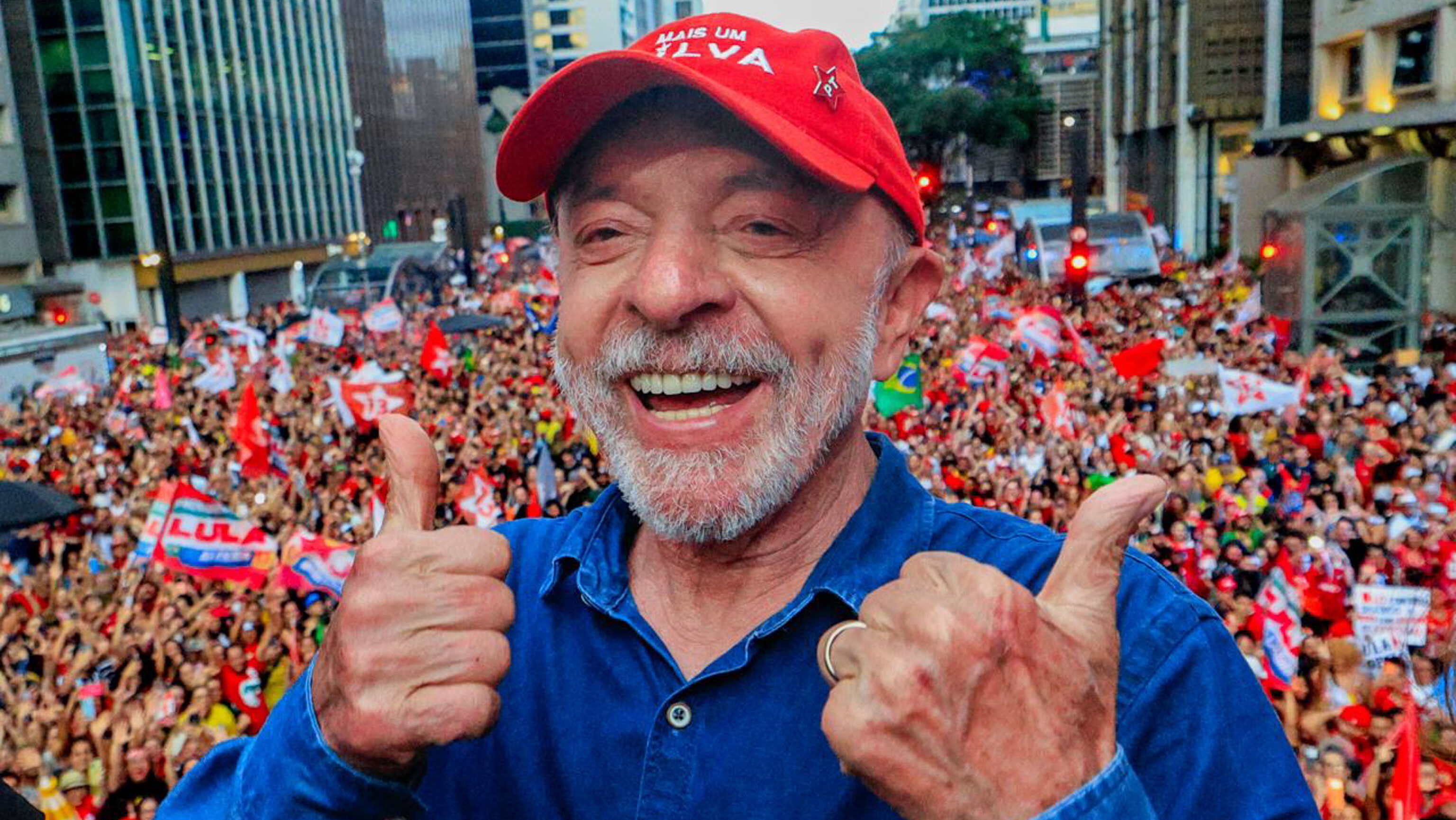
Lula's turnaround in the presidential race, from second place in the first round to re-election, posed a direct question to the market: will the adjustment of public accounts get off the ground? The response that appears within the government is still cautious. According to Money Times, members of the Executive and PT are already drawing limits on any cost containment measure, just a few days after the election.
Minister José Guimarães, from the Institutional Relations Secretariat (SRI), stated that the fiscal adjustment has not been discussed nor is it being discussed. The statement came two days after the change, according to the same report. Minister Guilherme Boulos, from the General Secretariat, wrote on social media, on Thursday, that the "treasurer" lost the election. The expression usually designates speech in favor of spending cuts.
Boulos argues that the adjustment, if any, involves only cutting parliamentary amendments and tax benefits. In practice, this delimitation leaves out any reduction in other expenses, which is of interest to those who see fiscal responsibility as a condition for growth, as it defines how much of the budget would go into the account.
The backdrop is a rapidly advancing public debt. According to Money Times, the government has difficulty containing this trajectory without facing resistance from its own base, which turns the fiscal discussion into a political dispute within the coalition.
In an analysis cited by Exame, Moody's predicts the continuity of the current economic policy in Lula's fourth term, with gradual changes in public accounts. Without fiscal adjustment, the agency states that the Selic rate should remain high for longer. She also associates the lack of reforms with higher public debt, pressure on investments and obstacles to growth.
What changes for the investor
For those who follow interest rates, exchange rates and the stock market, the scenario described by Moody's suggests high interest rates for longer, which weighs on the cost of credit and the evaluation of assets that are more sensitive to interest rates. The difference between speech and concrete proposal will be the main thermometer: which expenses come to the table, with what deadline and with what support in Congress. Until then, it is worth monitoring objective signs, such as the definition of cuts and the evolution of debt, without deciding solely based on statements from government members.
Automatically translated from Portuguese.