Gilmar Mendes demands the position of TSE referee and questions the absence of decisions by the presidency
In a publication in X, the STF minister does not mention Nunes Marques, but demands equidistance from those who preside over the court and more firmness in the Electoral Court.
BY THE X-TRADER NEWS NEWSROOM · REPORTING FROM INFOMONEY · 2 MIN
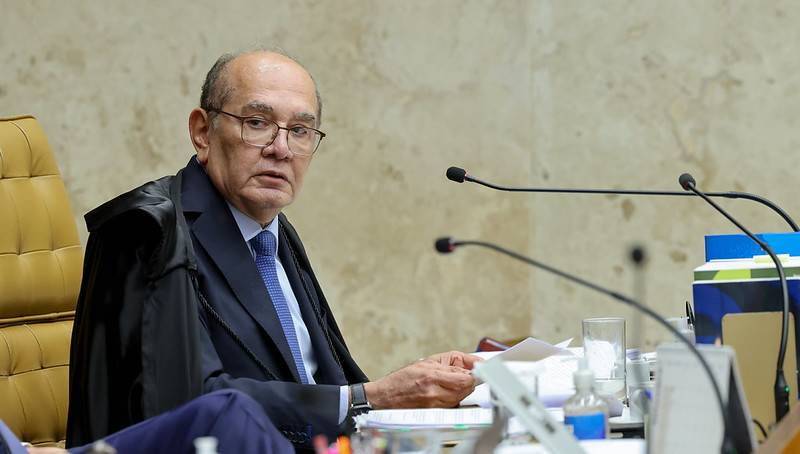
Federal Supreme Court minister Gilmar Mendes criticized the conduct of the Superior Electoral Court (TSE) in the 2026 elections, chaired by Kassio Nunes Marques. According to InfoMoney, the criticism was published on the social network X and brings a direct message: whoever heads the Electoral Court needs to act as an arbitrator, firmly and equidistance.
Gilmar did not mention Nunes Marques by name, but the context of the criticism points to the presidency of the court. According to the original report, the minister recognized that the actions of the TSE board were fundamental to the regularity of the vote. In his opinion, however, the moment requires more firmness from those who command the Electoral Court.
The central point of the argument is equidistance. According to the minister, whoever presides over the body must maintain an equidistant posture, as provided for in the Constitution. The charge gains weight when he questions the lack of decisions made by the TSE presidency itself in sensitive episodes of the presidential contest.
The discussion goes beyond the corridors of the Judiciary. The TSE is the body that arbitrates the electoral process, and the perception of impartiality of those who command it influences confidence in the regularity of the election. Therefore, the criticism touches on the institutional role of the position, and not just isolated decisions.
The facts found do not detail which episodes of the dispute the minister has in mind, and there is no response from the TSE presidency recorded in this investigation. So far, what exists is public criticism, without formal developments.
What changes for the investor
For those who invest and operate, the direct effect is difficult to measure from public criticism. What weighs heavily is institutional uncertainty in a presidential election year, as doubts about the conduct of the process can enter into the calculation of interest, exchange rate and stock market risk. The useful follow-up is to check whether the discussion translates into concrete decisions by the TSE, as these are what define the rules of the game. This article does not provide a purchase or sale recommendation and does not project prices.
Automatically translated from Portuguese.