Ibovespa hits sixth consecutive drop with worsening domestic scenario and dollar rises to R$ 5.48
Political and fiscal noise after the elections weighs on the Stock Exchange, while Focus raises inflation projections and Copom decides on Wednesday
BY THE X-TRADER NEWS NEWSROOM · REPORTING FROM MONEY TIMES · 2 MIN

The Brazilian Stock Exchange closed Tuesday (3) falling for the sixth session in a row, according to Money Times. The Ibovespa fell 1.42%, to 165,528.92 points, while the dollar in cash rose 0.79%, quoted at R$5.4872, the highest level since December 30, 2025.
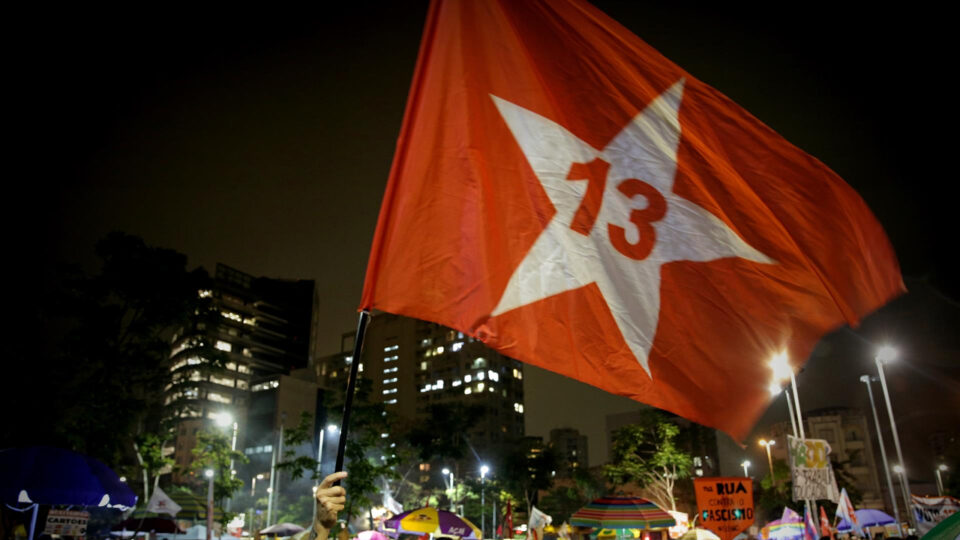
Exame attributes the pressure on the index mainly to Petrobras and Vale. Behind the movement is a factor that, according to Money Times, appears to be the main source of local stress: the political and fiscal noise that emerged after the results of the presidential elections. Exame adds that investors remain in doubt about the economic policy of the next Lula government.
The Focus survey reinforces this perception. According to Money Times, the projection for the 2026 IPCA rose from 5.19% to 5.22%, and the estimate for 2027 increased from 4.34% to 4.76%. BC economists raised their projections and cited uncertainty about the next government's fiscal and monetary policy as the reason.
Abroad, the scenario was more mixed. Also according to the Money Times, the DXY index rose 0.12%, to 101.8600 points, around 5 pm. X-Trader News recorded a rise in Nasdaq and S&P 500 futures, a fall in Dow Jones futures and the American elections on investors' radar.
The week has an important test for monetary policy. According to Exame, the market awaits the Copom's decision on Wednesday (4). With inflation projections on the rise, the Central Bank statement should be read carefully, especially for what it signals about the direction of interest rates.
What changes for the investor
The picture suggests that fiscal and political risk has returned to the center of price formation, and not just the performance of individual companies. If the next government conveys commitment to public accounts, this point could alleviate pressure on the Stock Exchange and exchange rate. If uncertainty persists, the risk of fluctuations remains high. Those who invest and operate must follow the Copom decision, the next Focus reviews and the signs about the coming economic policy. This analysis is not a recommendation to buy or sell assets.
Automatically translated from Portuguese.