Trump sees deal with Iran as possible and oil declines with optimism in negotiations
European stock markets advanced in the first trading session of the month and Brent fell almost 8%, but Trump is still talking about new military measures.
BY THE X-TRADER NEWS NEWSROOM · REPORTING FROM EXAME · 3 MIN
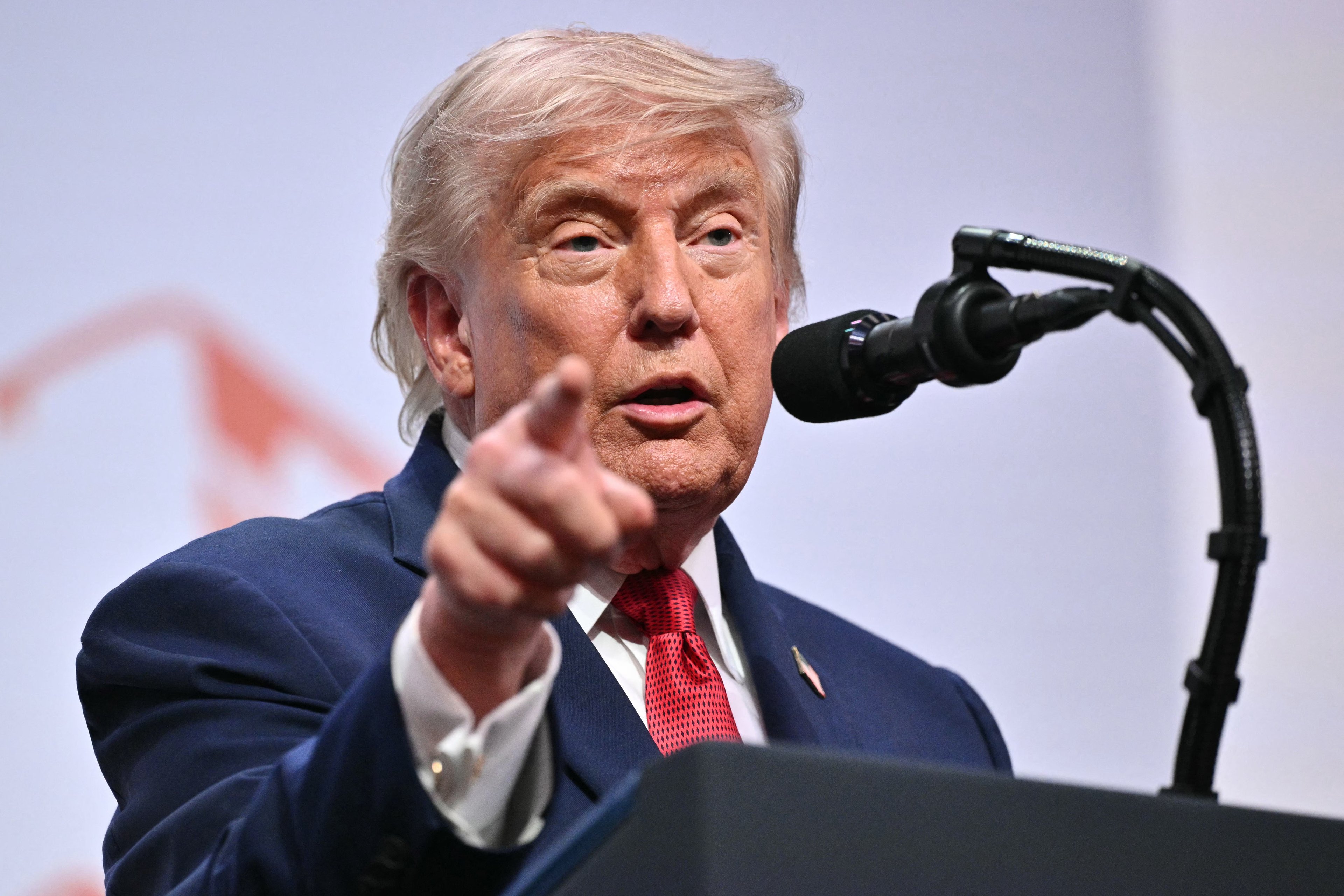
The President of the United States, Donald Trump, stated on Monday, November 2, that an agreement with Iran «could happen», according to Exame. The statement came after Tehran revealed indirect negotiations with Washington, and the effect was immediate on the markets: Europe opened the week and the month on a high, while oil fell sharply.
In Europe, the Stoxx 600 rose 0.45%, to 649.65 points, according to Money Times. In Germany, the DAX advanced 0.64%, to 25,982.87 points. In London, the FTSE 100 gained 0.29%, to 10,761.33 points, and in Paris the CAC 40 rose 0.98%, to 8,047.69 points.
In oil, Brent with contracts from January 2027 fell almost 8%, with a barrel close to US$104, according to Money Times. The same source attributes the movement to optimism with the resolution of the conflict between the US and Iran and the normalization of oil flows. In other words, the price of a barrel began to reflect the expectation that the war would move towards a solution.
Trump's own tone, however, is far from an outcome. On the Pod Force One podcast, according to InfoMoney, he stated that the US has not yet ended the war against Iran and that Tehran wants to make a deal, but that it remains to be seen. Trump also said that Iran cannot have nuclear weapons. Times Brasil reported that he did not rule out new military measures and that the operations have not been completed, although Tehran wants to continue negotiating.
Among the statements, Trump stated that the US hit Iran hard and overthrew two Iranian regimes, according to InfoMoney. He also claimed that oil stocks are above pre-war levels and defended stock markets and the American economy. InfoMoney also recalled that the Strait of Hormuz is closed in the context of the conflict, a point that directly affects the flow of oil.
What is at stake goes beyond rhetoric. An agreement that reopens the flow of oil tends to reduce the risk premium embedded in the barrel, while a military escalation would reverse the movement. Today's numbers show the market betting on the first hypothesis, with Trump himself keeping the military option on the table.
What changes for the investor
For those who follow the stock market, Nasdaq, interest rates and the dollar, the episode shows how geopolitics reaches assets through oil. If negotiations advance and energy flow normalizes, pressure on costs and inflation may decrease, which, in theory, may ease expectations for interest rates and stock market readings. The opposite path also exists: new military actions would return the premium to the barrel and reopen uncertainty. For now, statements change every few hours, and it is worth following the next signals from Washington and the movement in the Strait of Hormuz without taking either scenario for granted.
Automatically translated from Portuguese.