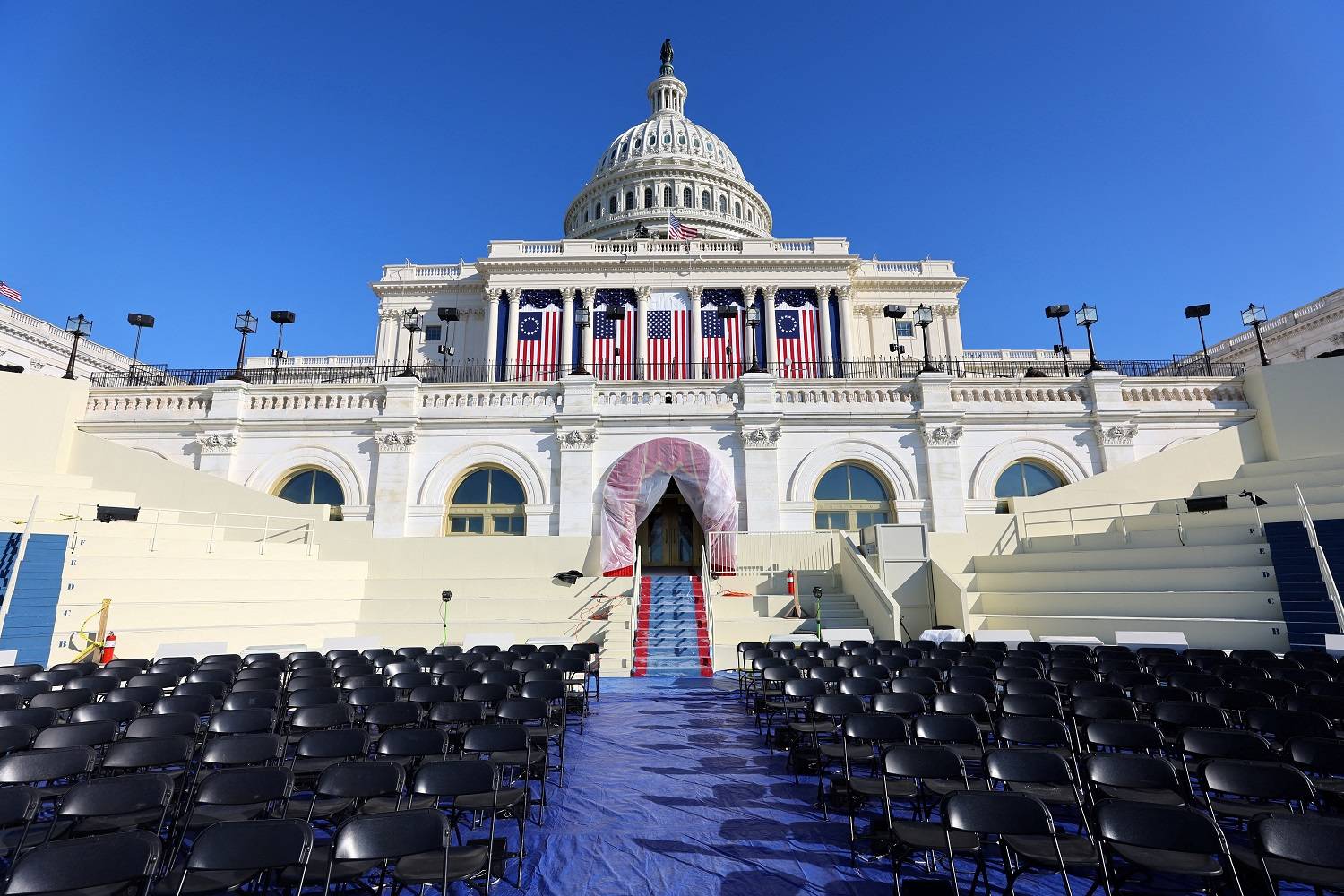
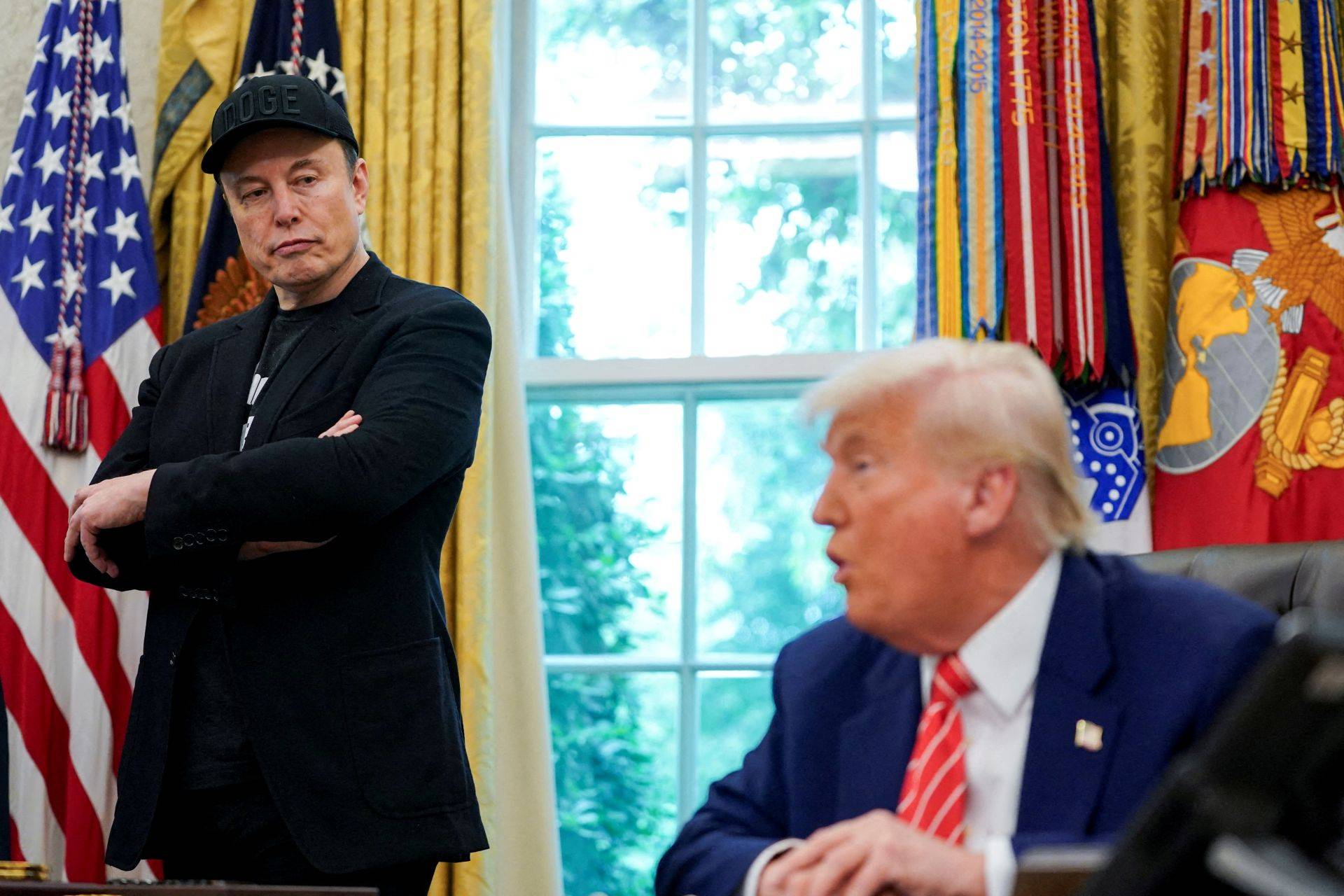
United States votes in midterms amid fear of Trump contesting the result
Midterm elections define the House and part of the Senate, and Georgia, where Trump lost in 2020 by around 11,000 votes, is on alert.
BY THE X-TRADER NEWS NEWSROOM · REPORTING FROM MONEY TIMES · 2 MIN
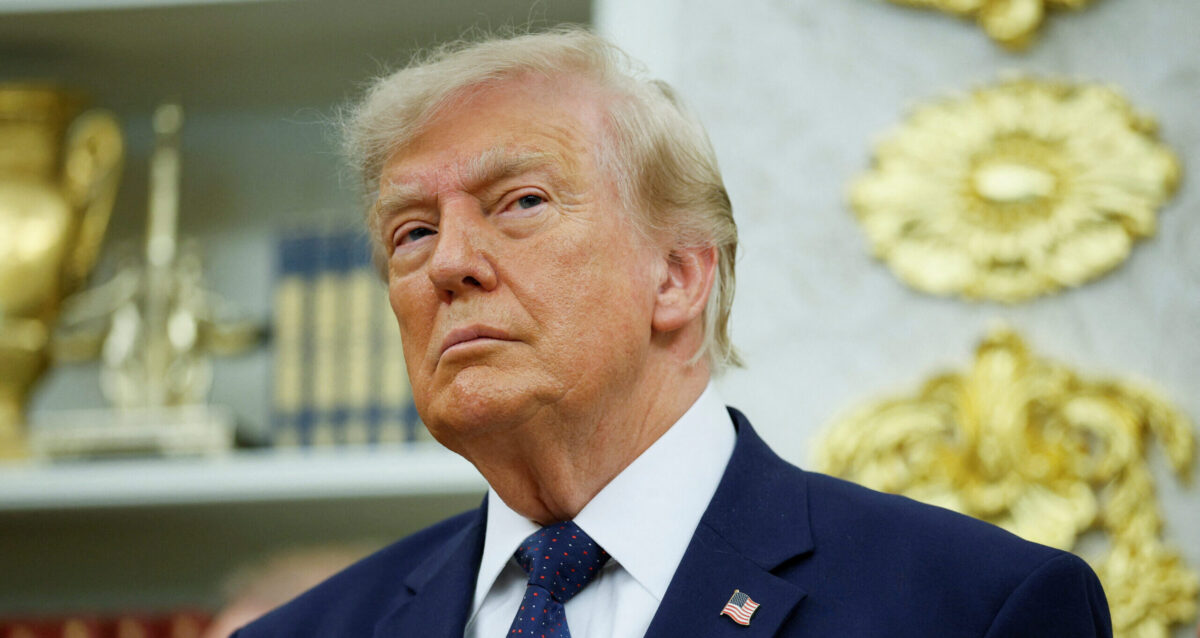
The United States votes this Tuesday (3) in the mid-term elections, and the democratic routine is accompanied by an unusual fear: that the final result will not be accepted if it displeases Donald Trump and the most radical wing of the government. According to Money Times, this is the main concern surrounding the vote.
The dispute is broad. Thousands of local and state elections are at stake, including the renewal of the entire House of Representatives and just over a third of the Senate. These are disputes that define the balance of forces in the American Congress.
The warning sounds loudest in Georgia. According to Money Times, Trump lost the state in 2020 by around 11,000 votes, and pressured state officials in Georgia to reverse that result. The history makes the state a sensitive point for accepting this year's election.
The ghost of 2020 is still present. According to Money Times, Trump continues to question that year's election, which fuels fears that an eventual defeat will be challenged in the same way.
The central point, therefore, is not just the counting of votes, but the acceptance of the result by the main political actors. For this newspaper's liberal line, predictable electoral rules are an essential part of a healthy business environment.
What changes for the investor
The market tends to react more to uncertainty than to the outcome itself. If there is prolonged doubt about the validity of the vote, the main effect tends to be greater volatility and a higher risk premium on American assets, which affects the stock market, Nasdaq, interest rates and the dollar. A quick investigation accepted by the parties tends to reduce this noise. Those who invest must monitor the composition of Congress, as it influences the fiscal and tax agenda, a variable that usually weighs on interest and exchange rates. This article does not provide price forecasts or buy or sell recommendations.
Automatically translated from Portuguese.