Democrats turn the tables on the US Congress and put Trump under pressure
According to Money Times, the Republican defeat in traditional strongholds puts the American Congress back at the center of the debate on economic policy.
BY THE X-TRADER NEWS NEWSROOM · REPORTING FROM MONEY TIMES · 3 MIN
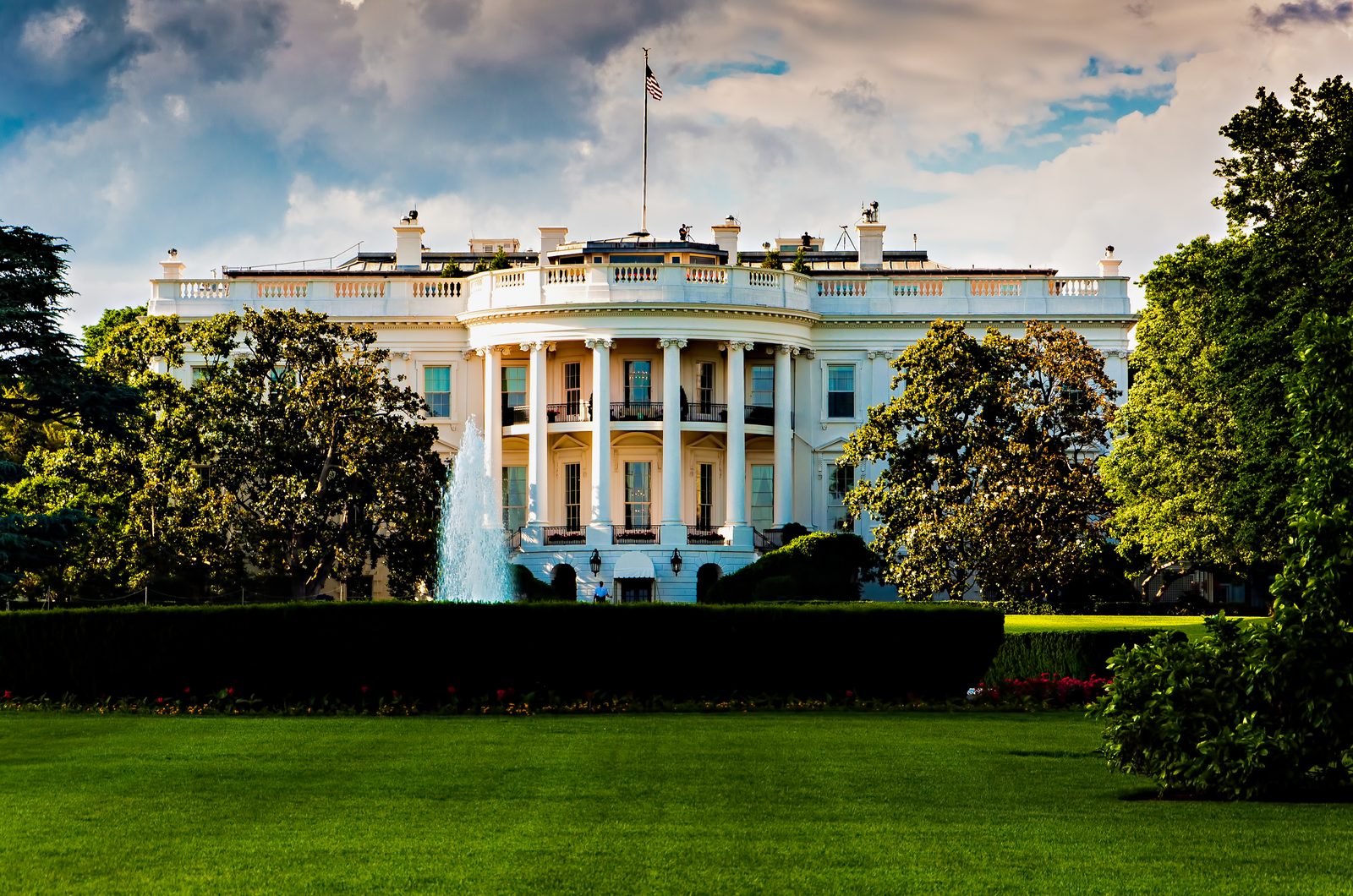
On Tuesday (3), the Democratic Party began to command the American House and Senate, and this turnaround should put the Trump administration's agenda under more pressure from 2027 onwards. For Your Money, the result is a historic defeat for Trump in the midterm election. According to Revista Oeste, the investigation was completed in the early hours of Wednesday (4), when the Republicans lost control of both Houses.
The numbers reported by Revista Oeste help measure the turnaround. In the Chamber, Democrats reached 228 seats, above the absolute majority of 218, while Republicans won 25 seats in more than ten states. In the Senate, Democrats gained seven previously Republican seats, and the publication cites 20 elected senators and 54 of the 100 vacancies. Altogether, the dispute involved 435 seats in the Chamber and 35 in the Senate. According to Money Times, the full size of the movement was not yet finalized on the day the report was published.
The advance reached territories that have long voted Republican. According to the Money Times, in Kansas, the Democrats were left with a Senate seat that had not been in their hands for around a hundred years, that is, since the 1930s. In South Carolina, Trump had won in 2024 with a margin of almost 18 points, but in the race for the Senate the Democrat defeated precisely the candidate he had nominated. The party also won in Texas and Iowa, states cited as conservative strongholds. Your Money records that Republicans lost even in strongholds dominated more than a generation ago.
For Money Times, the defeat came from a combination of reasons: the war against Iran, seen as unpopular, the famine that erodes family budgets and discontent with Trump's administration. These are points that directly affect the voter's pocket and that, in general, shape what the market expects.
In Washington, the division of Congress changes the game. As a rule, bills must pass through both Houses, and the Chamber has a central role in processing budgetary issues. With a Democratic majority, the House is now able to block or change Executive proposals, which makes the execution of Trump's agenda more uncertain.
Impacts for those who invest
Those who operate the stock market, Nasdaq, interest rates and the dollar need to look above all at fiscal predictability. With the Legislature split, voting on adjustments to taxes and expenses tends to move at a slower pace, and the market tends to build this risk into prices before any vote. From the point of view of fiscal responsibility, the division can limit both the expansion of expenses and changes in taxation, so it is worth monitoring which proposals are advancing in both Houses. This analysis is not a recommendation to buy or sell and does not predict price movements.
Automatically translated from Portuguese.