US Supreme Court rejects Trump's request to nullify California ballots on the eve of midterms
Unjustified decision, in one sentence, halts action by the federal government that sought to block 20,000 voters in California from voting.
BY THE X-TRADER NEWS NEWSROOM · REPORTING FROM INFOMONEY · 2 MIN
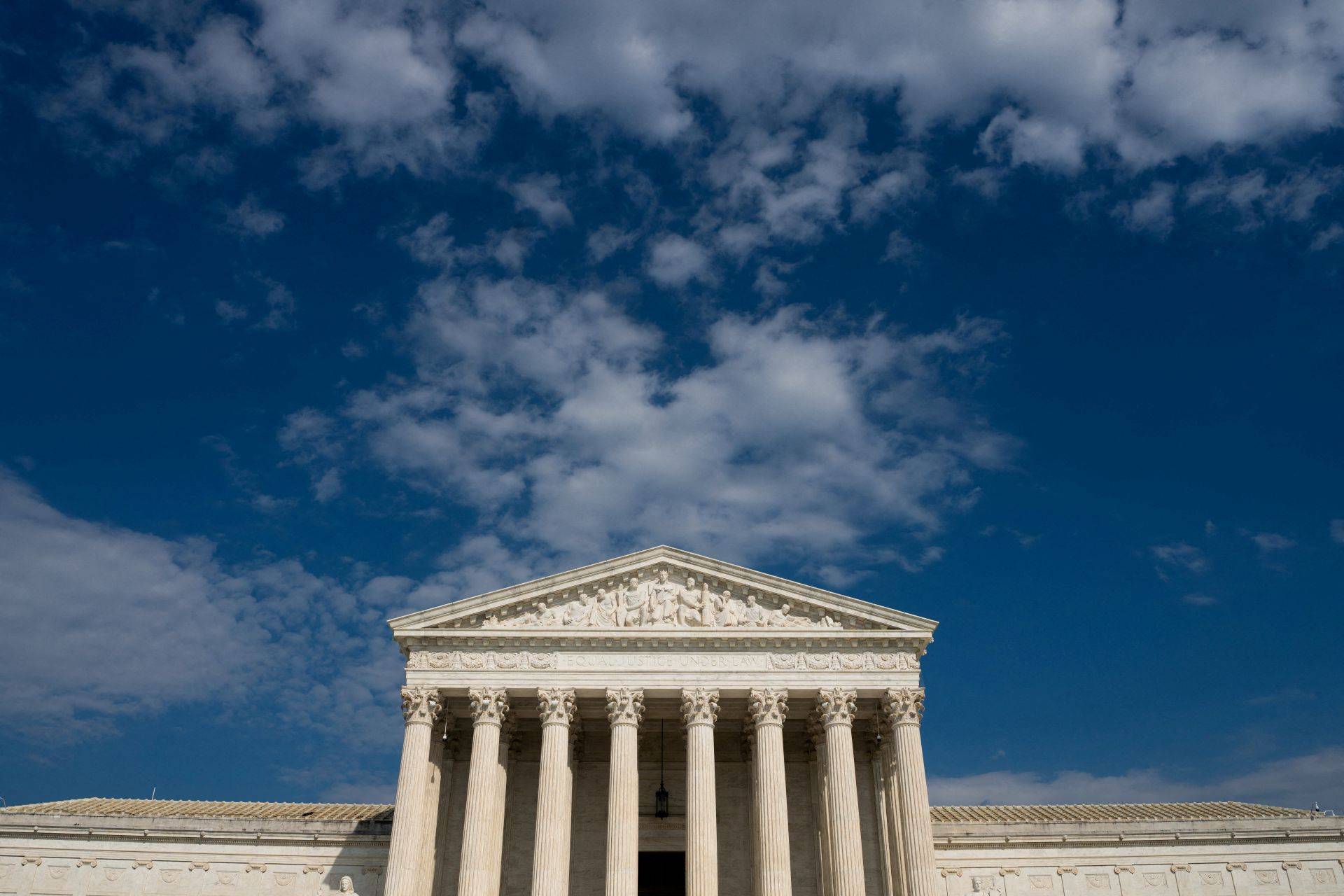
The United States Supreme Court rejected the Trump administration's request to nullify the ballots of 20,000 California voters, according to InfoMoney. The decision arrived on the eve of the midterms, the mid-term elections scheduled for Tuesday (3), and puts back at the center of the debate the extent to which the federal government can question the voter lists maintained by the states.
According to InfoMoney, the government maintains that these voters are foreigners irregularly registered on California's lists. Revista Oeste reports that Judge Elena Kagan had denied the same request and that the government claims the ballots were filled out by people who are probably not American citizens. The central argument is that only citizens vote in US federal elections.
The numbers changed throughout the case. According to Times Brasil, the government initially accused 190,000 people without the right to vote in California and later revised the figure to 20,000. The lawsuit sought to prevent ballots from being sent to these voters, but early voting had already begun when the lawsuit was filed. Per Revista Oeste, the state sends the ballot by mail to all registered voters.
The Supreme Court's response came in a dry format: an unsigned decision, in one sentence and without justification, given in response to a government emergency request, according to Times Brasil. For those who follow the legal news, the lack of justification prevents us from knowing, for now, the reasoning that led to the rejection.
The stakes go beyond California. The episode exposes the tension between the federal government and state rules for registering and sending ballots in the final stretch of a national election, and the dispute over who can vote tends to remain in political memory, whatever the outcome of the polls.
What changes for the investor
Without predicting prices or recommending buying or selling, the most direct effect is the removal of a source of legal uncertainty on the eve of the vote. Disputes over the validity of ballots tend to increase the nervousness of those operating on election days, and a less contested outcome reduces the risk of questions about the result. Still, the market tends to react to what the polls indicate about the direction of US economic and fiscal policy, and not to the judicial episode itself.
Automatically translated from Portuguese.