Washington should send Brasilia draft tariffs next week
MDIC minister awaits US proposal for possible tariff agreement, after meeting in Milwaukee and informal conversations with Planalto.
BY THE X-TRADER NEWS NEWSROOM · REPORTING FROM MONEY TIMES · 2 MIN
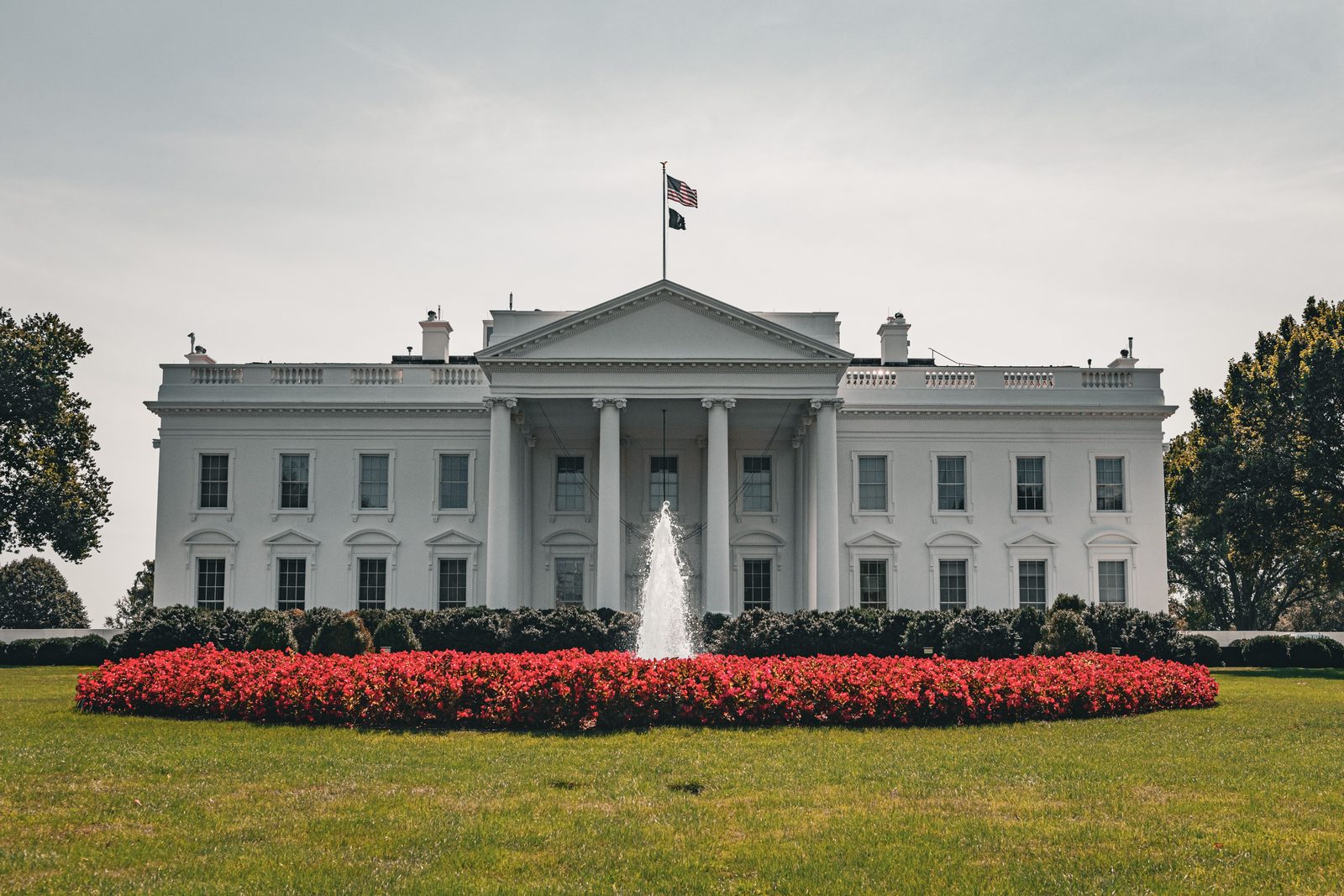
The Brazilian government is waiting for Washington to submit, next week, a concrete suggestion for a possible agreement on tariffs applied to Brazilian products. According to Money Times, this expectation comes from Márcio Elias Rosa, who heads the department responsible for the MDIC.
The wait comes from the meeting on September 30, when Elias Rosa and the Minister of Foreign Affairs, Mauro Vieira, spoke with Jamieson Greer, United States Trade Representative (USTR), in Milwaukee, taking advantage of the G20 trade agenda. Also according to Money Times, the Americans have committed to sending, within four weeks, a preliminary version of what could become an understanding.
There is also an informal layer. According to Gazeta do Povo, Planalto held informal conversations during the period. Elias Rosa himself stated that he did not have details about the content of these conversations, which leaves what has already been discussed between the two sides open.
What is at stake is the cost of access to the American market for Brazilian exporters. Tariffs raise the final price of products sold in the United States and tend to reduce the competitiveness of those who export. Any negotiated reduction would have a direct effect on these companies, but, based on the information gathered, there are still no details on which products would be achieved or on the percentages.
In line with those who defend free trade and lower taxes, an agreement that reduces barriers would be welcome. Caution, however, is the usual: what counts is the final text, and the government will need to show the bill and the counterparts before celebrating.
What changes for the investor
For those who invest in companies with a strong presence in the American market, news about tariffs tends to affect revenue and margin expectations, and the exchange rate tends to react to trade policy signals. If the draft arrives with a reduction in barriers, the potential effect is positive for exporters; if it brings additional restrictions or burdensome conditions, the effect would be the opposite. Until then, what exists is an expectation, and it is worth following the text before drawing conclusions.
Automatically translated from Portuguese.