High interest rates are expected to bring public debt to 89.7% of GDP by 2030
The Treasury's fiscal risk report sees the debt rising until 2030 and only retreating afterwards, with interest as the main driver.
BY THE X-TRADER NEWS NEWSROOM · REPORTING FROM GAZETA DO POVO · 3 MIN
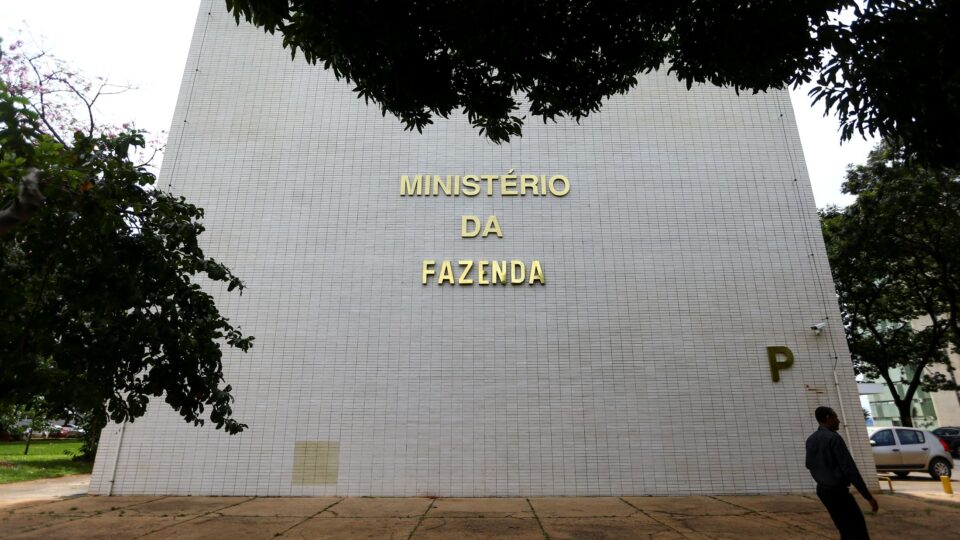
According to the National Treasury Secretariat, the share that general government debt represents in GDP tends to reach 89.7% in 2030. The data appears in the 8th RRFU, the Union's Fiscal Risk Report, published on Tuesday (3), according to Gazeta do Povo. Until then, the indicator ends 2026 at 83.7% of GDP, an increase of 5.1 percentage points over the end of 2025.
The analysis identifies nominal interest rates as the strongest vector of this trajectory. Between 2026 and 2030, this cost adds 8.4 points of GDP to gross debt, on average per year. In the opposite direction, the expansion of nominal GDP reduces the relationship by 6.0 points annually, of which 2.1 come from real activity and 3.9 from the deflator. Thus, after the peak, debt falls again and reaches 86.3% of GDP in 2036.
In the net metric, which discounts public sector assets, the DLSP goes from 71% in 2026 to a ceiling of 78.4% in 2030 and drops to 75.6% in 2036. Gross debt adds up all general government obligations, while net debt deducts assets, which explains the difference between the two indicators.
Sensitivity scenarios show the size of the risk. A Selic 1 percentage point per year above the base scenario would raise interest rates by R$476 billion between 2027 and 2030. When high interest rates, lower GDP and a bad primary result happen together, the debt exceeds 100% of GDP from 2033 onwards. In stress, with GDP 0.5 points per year lower, interest rates 1 point higher and primary 0.5% of GDP worse each year, the debt reaches, in 2036, at 103.4% of GDP, which represents 17.1 points above the central figure. A favorable scenario, with lower interest rates and more activity, will take debt to 71.3% of GDP in 2036.
In 2025, the Union's fiscal exposure to specific risks totaled R$4.87 trillion, according to Gazeta do Povo. The Diário do Poder recorded the Treasury's projection that the debt should only begin to decline after the end of the Lula government.
What changes for the investor
For those who operate interest rates, the dollar and the stock market, the message is that the debt trajectory depends both on the Selic and on growth. Each interest point above the base scenario weighs directly on the account, and the margin for adverse combinations appears narrow, as debt exceeds 100% of GDP in combined shock scenarios. This situation can keep fiscal risk on the radar of those who trade public bonds, foreign exchange and company shares sensitive to the cost of money. The report does not provide price projections or recommendations, and the real effects will depend on the conduct of economic policy in the coming years.
Automatically translated from Portuguese.