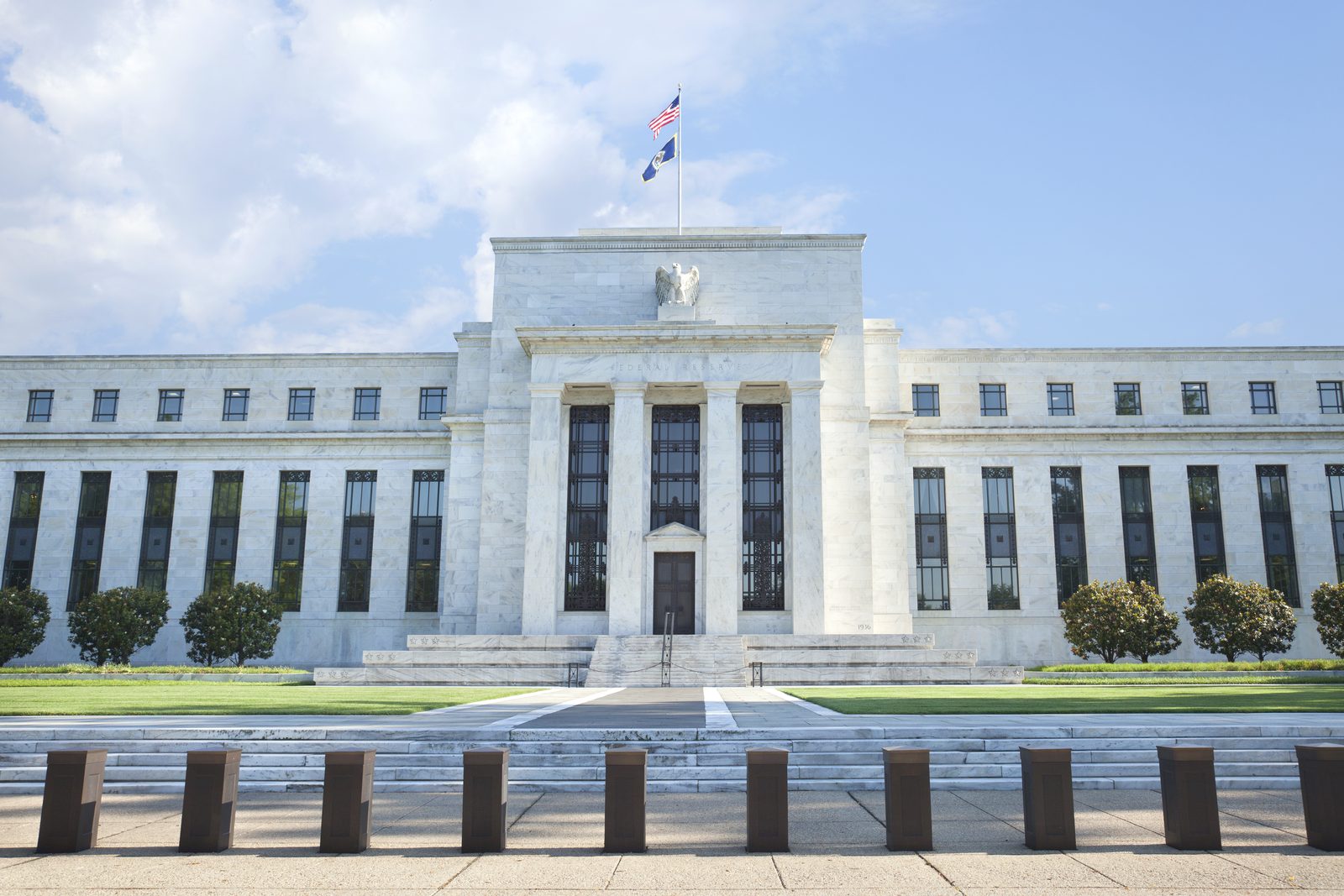
Prices in Europe rise by 4% and reinforce the bet on an ECB interest rate hike
Preliminary data from October puts pressure on the ECB, which keeps the rate at 2.5%, and the market prices more than a 72% chance of a rise in December
BY THE X-TRADER NEWS NEWSROOM · REPORTING FROM CNBC · 3 MIN
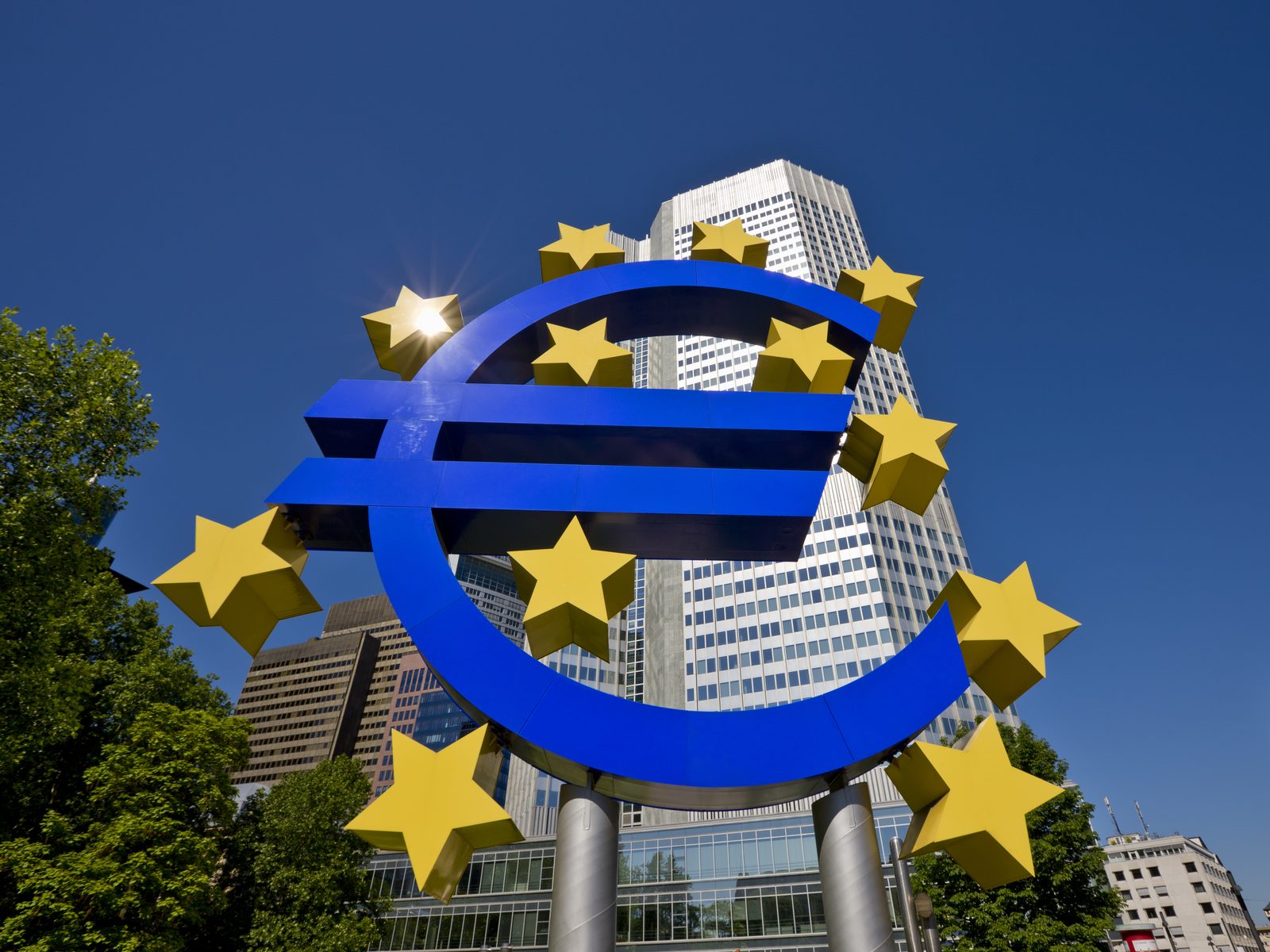
In October, consumer prices in the euro zone accelerated again and reached 4%, the highest reading in 36 months, according to a preliminary estimate released on Wednesday and cited by CNBC. In September, the index had stood at 3.8%, a reading in line with the projection of economists consulted by Reuters. The data comes after the European Central Bank (ECB) raised the key rate by 25 basis points in September.
Energy was the main driver of this increase: in the month, the component rose 20.8%, against 18.9% in September. According to the broadcaster, the advance follows the trajectory that began with the war in Iran, a conflict that has been pushing up prices ever since. As the continent depends on external energy purchases, the region is vulnerable to shocks originating outside it. Since 2023, when it reached 4.3% in September, the index has not returned to 4% or more.
The situation varies greatly from one country to another. According to data cited by CNBC, Lithuania led the increase among the bloc's 21 economies, with 6.1%, and Malta was at the opposite end, with 2.3%. None of them fall below the 2% benchmark pursued by the ECB. Still, officials say core inflation and wages remain largely stable. Tension, therefore, opposes the pressure coming from the energy to the calmness of the core.
In the monetary field, the European Central Bank left interest rates at 2.5% in October, shortly after the September increase. Until the release, investors were betting on a 71.8% probability of an increase in December; After the data, this chance rose to 72%, according to the same channel. The instability in the French bond market, according to Mertens, an analyst at Validus Risk Management, limits the ECB's room for maneuver. The return of the German Bund with a ten-year term advanced discreetly.
The European currency gained 0.6% against the dollar early on Wednesday, a period in which the American currency was losing ground to a basket of currencies while the polls for the mid-term legislative elections in the United States were being counted, according to CNBC.
In the United Kingdom, Bloomberg reports that the Bank of England's interest rate trajectory divides traders and economists ahead of the expected rise. On the same agenda, AB Foods, parent company of Primark, releases results, also according to Bloomberg.
Impact for those who invest
Those who follow interest rates, the dollar and the stock market should note that higher inflation strengthens the expectation of higher rates in Europe. This scenario tends to weigh on risky assets and longer-term bonds, as yields rise when prices fall. The advance of the euro and the discreet rise of the Bund, however, indicate that the market is still reacting cautiously. The points of attention are the evolution of core inflation, the behavior of salaries and the French bond market, which has entered the analysts' radar. The reading here is a scenario, with no purchase or sale recommendation and no price projection.
Automatically translated from Portuguese.