Netanyahu loses majority in the Knesset and political impasse threatens government formation in Israel
According to InfoMoney, the opposition led by Eisenkot still does not have the votes to replace Netanyahu, and the governing bloc has 53 of the 61 necessary seats.
BY THE X-TRADER NEWS NEWSROOM · REPORTING FROM INFOMONEY · 2 MIN
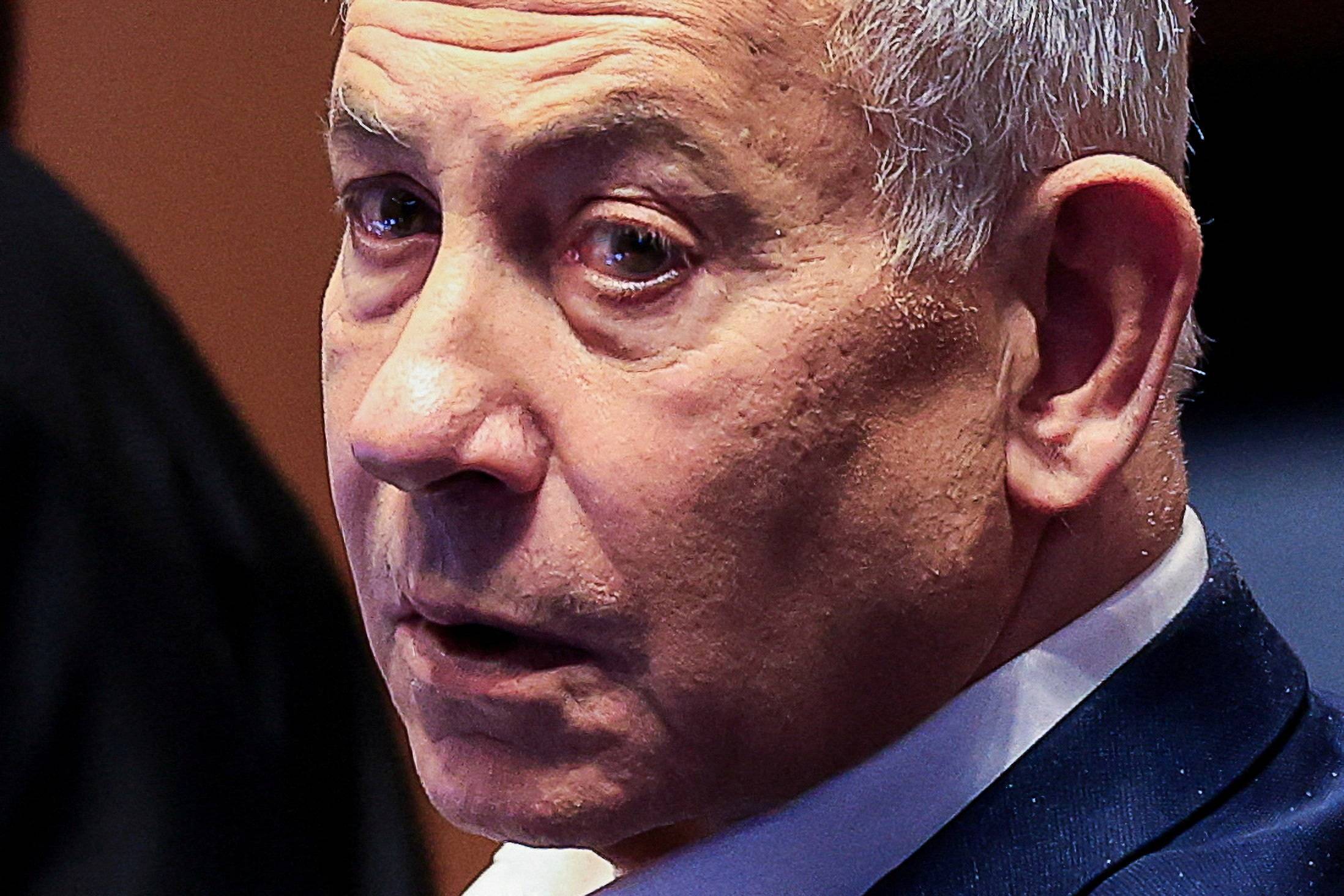
Seven days after the vote held on October 27, Israel remains without a defined government, and Benjamin Netanyahu's political future is in suspense. According to InfoMoney, Likud, Netanyahu's party, was once again the most voted party, but the party lost the majority that supported its government in Parliament.
To understand the size of the loss, it is worth looking at 2022. At the time, the alliance led by Netanyahu, which brought together Likud, ultra-Orthodox parties and the radical right, won 64 of the 120 seats in the Knesset. Now, this same group has 53 seats, and the majority demands 61, that is, eight votes are missing.
On the other side, the opposition is organized around Gadi Eisenkot, who leads a coalition with 48 seats. According to InfoMoney, he still does not have enough parliamentary support to replace Netanyahu, nor has he received the task of assembling the cabinet. In turn, the two Arab acronyms, Joint List and Ra'am, total 19 seats.
Combined, the three blocs reach 120 seats in the Knesset, and none of them, in the current picture, reaches a majority of 61 alone. The result is a stuck board, in which the formation of a coalition depends on agreements that do not yet appear on the horizon.
At stake is more than the head of government. Whoever manages to establish a stable base will define the country's agenda, budget and management of sensitive issues, both internal and external. The longer the impasse continues, the greater the uncertainty about the continuity of current policies.
What changes for the investor
In general terms, prolonged periods of political uncertainty tend to increase the perception of risk about a country, which can weigh on the appetite for assets linked to that economy. The extent of the effect will depend on how long the impasse lasts and how clear the design of a new coalition will be. For Brazilian investors who follow Nasdaq, interest rates and the dollar, the case is a reminder that political risk can change the mood of global markets even when the main focus is elsewhere.
Automatically translated from Portuguese.