After a 37% drop, Bradesco shares are cheaper than in the 2016 crisis
Since the 2nd presidential round, the stock has lost 37%, while the Ibovespa has fallen 24% in dollar terms in the same period. Morgan Stanley remains overweight.
BY THE X-TRADER NEWS NEWSROOM · REPORTING FROM SEU DINHEIRO · 3 MIN
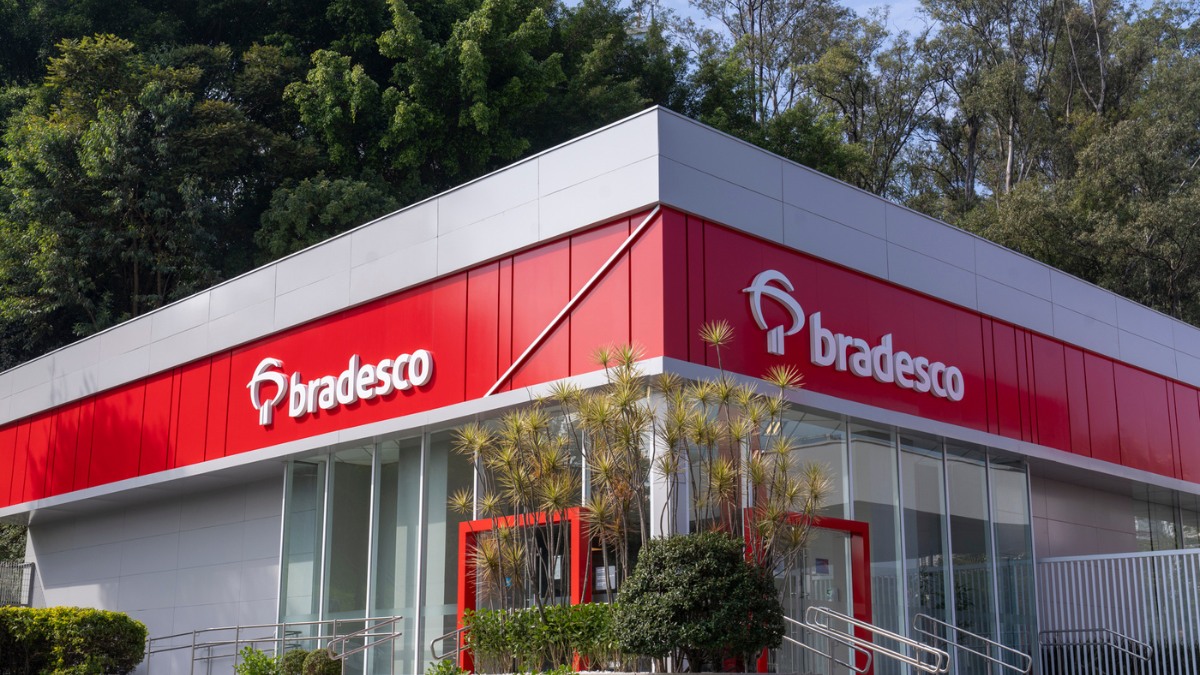
Since the second round of the presidential election, held on October 25, Bradesco shares (BBDC4) have fallen 37%. According to Seu Dinheiro, which cites Morgan Stanley, the stock started to trade at a level lower than that observed during the 2016 crisis.
The devaluation was not restricted to the bank. In the same period, the Ibovespa fell 24% when measured in dollars, and Itaú (ITUB4) fell 26%, according to the same survey. The movement suggests that the pressure affected the sector as a whole, and not just one institution.
Morgan Stanley maintained its overweight recommendation for Bradesco's ADRs and reduced the ADR's target price from US$5.50 to US$4.75. According to Money Times, the house considers that the market reaction is disproportionate to the bank's fundamentals. The potential for an increase over the last closing was reported differently by the vehicles: 92% in Seu Dinheiro, 86.3% in Money Times and 85% in InfoMoney.
At InfoMoney, Morgan Stanley points to a more challenging macroeconomic environment for Brazilian banks, that is, the house's recovery thesis depends on factors that are beyond the institutions' control.
The general climate also weighed on the stock market. On Tuesday, November 3rd, the first trading session of November and the return of the holiday, the Ibovespa fell 1.42% and closed at 165,528.92 points, the lowest closing since January 19th, according to InfoMoney. During the day, the index reached 164,446.53 points, at its worst moment, after reaching a maximum of 168,005.46 points. The fall was driven by Petrobras (PETR4) and Vale (VALE3), in a session of strong risk aversion. For InfoMoney, uncertainties about the direction of the Brazilian economy weighed on the market. The title of the report also mentions criticisms of interest rates made by Lara Resende, but the text does not detail these statements.
What changes for the investor
The central point for those who follow the paper is to separate what is a short-term reaction from what is fundamental. Morgan Stanley maintains that the drop exceeds what the results justify, while recognizing a more difficult macro scenario for the sector. It is worth monitoring how the bank behaves in the face of the economy and interest rates in the coming months, without treating any price projection as a guarantee.
Automatically translated from Portuguese.